




Table of contents
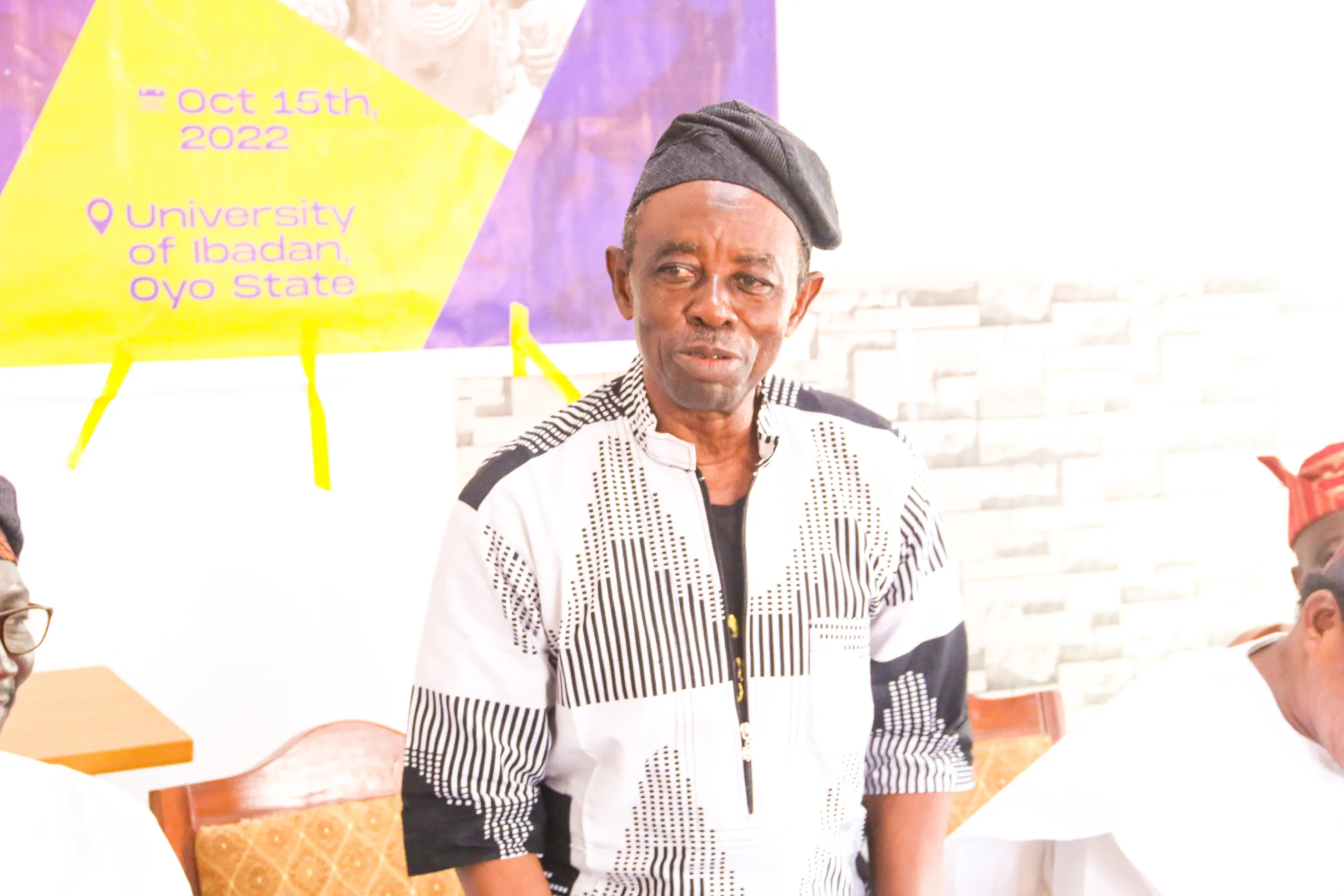
Tunde Kelani filmmaking passion remains rooted in culture, memory and the belief that Nigerian stories deserve the same care and cinematic ambition as any other stories in the world.
The veteran filmmaker, whose work has helped shape modern Yoruba cinema, says he is still motivated by a desire to preserve language, history and everyday experience through film. His career has stretched across changing technologies, different generations of actors and several eras of Nollywood, yet his central interest has remained remarkably consistent.
Punch reported on September 5 that Kelani continues to see filmmaking as both an artistic responsibility and a cultural mission. His comments focused on indigenous storytelling, Yoruba identity and the importance of telling local stories with confidence rather than treating them as less valuable than foreign narratives.
That outlook fits a broader conversation around preserving Nigerian creative heritage. Wowplus has followed similar debates around veteran performers and filmmakers, including Tunde Kelani’s reconciliation with Baba Wande, a story that showed how personal history and creative legacy can remain intertwined decades after a film is released.
Tunde Kelani filmmaking passion is tied to cultural preservation
Kelani’s films have often drawn from Yoruba literature, theatre and oral tradition. That approach gives his work a documentary value beyond entertainment because costumes, speech patterns, music and social customs become part of the visual record.
For filmmakers working in a country with many languages and traditions, choosing to centre one culture can be both artistic and political. It sends a message that local audiences do not need to abandon their own identities to make stories that can travel internationally.
Kelani has repeatedly resisted the idea that indigenous-language cinema is automatically limited. His career suggests the opposite: specificity can make a story more distinctive, and viewers outside the culture can still connect with family conflict, ambition, love, betrayal and community.
That principle has become more important as streaming platforms expand the potential audience for Nigerian films. A Yoruba-language production can now reach viewers far beyond the region where it was made, provided the storytelling is strong and distribution is available.


Technology changed, but his storytelling priorities did not
Kelani’s career spans analogue filmmaking, video-era Nollywood and today’s digital production environment. Each shift changed budgets, editing methods, distribution and the speed at which films could be produced.
He adapted to those changes without abandoning his preference for carefully constructed stories. That balance is one reason his work is often discussed differently from the high-volume model that defined parts of early Nollywood.
Wowplus has also covered the way veteran Nigerian creatives adapt to new expectations, including Patience Ozokwor’s reflections on discipline and resilience. The link is not about genre but generation: both figures built careers in an industry that changed dramatically around them and continue to frame success through persistence rather than novelty.
For younger filmmakers, Kelani’s experience offers a practical lesson. New cameras and distribution tools can lower barriers, but technology does not replace research, language fluency or a strong sense of why a story matters.
Yoruba literature has been a major source of inspiration
One of Kelani’s defining strengths has been his willingness to adapt existing literary work instead of treating cinema as separate from books and theatre. That approach has helped bring written Nigerian stories to audiences who may never encounter them in print.
Adaptation also requires discipline because a film cannot simply copy a novel page by page. The filmmaker has to decide what should be visualised, what can be compressed and which cultural details are essential to preserve.
Kelani’s body of work has often shown respect for writers and source material while still using the language of cinema. That relationship between literature and film remains underdeveloped in many parts of Nollywood, where original screenplays dominate because they can be faster to produce.
His continued advocacy for indigenous storytelling suggests he still sees a large archive of Nigerian stories waiting to be interpreted on screen.


His career also reflects the value of long-term reputation
Nigerian entertainment can reward speed and visibility, but Kelani’s standing comes from something slower: a body of work accumulated over decades. That kind of reputation is difficult to manufacture through one viral project.
It also creates a different relationship with audiences. Viewers may approach a Kelani film expecting cultural detail and a certain seriousness of craft before they know the exact plot.
Wowplus recently examined another form of career longevity in Patience Ozokwor’s continuing public influence. In both cases, longevity comes from staying recognizable while adapting enough to remain relevant to younger audiences.
For Kelani, that relevance increasingly includes mentoring, cultural advocacy and helping younger filmmakers see indigenous identity as an advantage rather than a limitation.
Why the message matters now
The global success of Nigerian music has created pressure for film to achieve the same level of sustained international reach. Nollywood already has enormous output and regional influence, but filmmakers still debate how to improve production quality without losing local character.
Kelani’s answer is essentially that global ambition should not require cultural dilution. A film can be deeply Yoruba and still be technically polished, emotionally accessible and commercially viable.
Tunde Kelani filmmaking passion endures because he does not seem to view cinema only as a business. For him, film is also a way to preserve language, memory and identity. That mission has survived changes in cameras, distribution and audience habits, which may explain why his work continues to be discussed long after many trends around it have disappeared.


Isiagu Tobby
Wowplus editorial contributor.