




Table of contents
- Lima authorities formally cleared all three BTS shows
- The third concert reflects extraordinary demand
- BTS arrived after shows in Bogotá
- The concert run shows how far K-pop touring has expanded
- Lima is preparing for more than a concert
- Why the Peru debut matters for BTS
- Three nights could reshape expectations for future tours
BTS Lima concerts 2026 are officially moving ahead after municipal authorities granted final approval for the group’s three-night run at Estadio San Marcos, clearing the way for one of Peru’s biggest K-pop events ever.
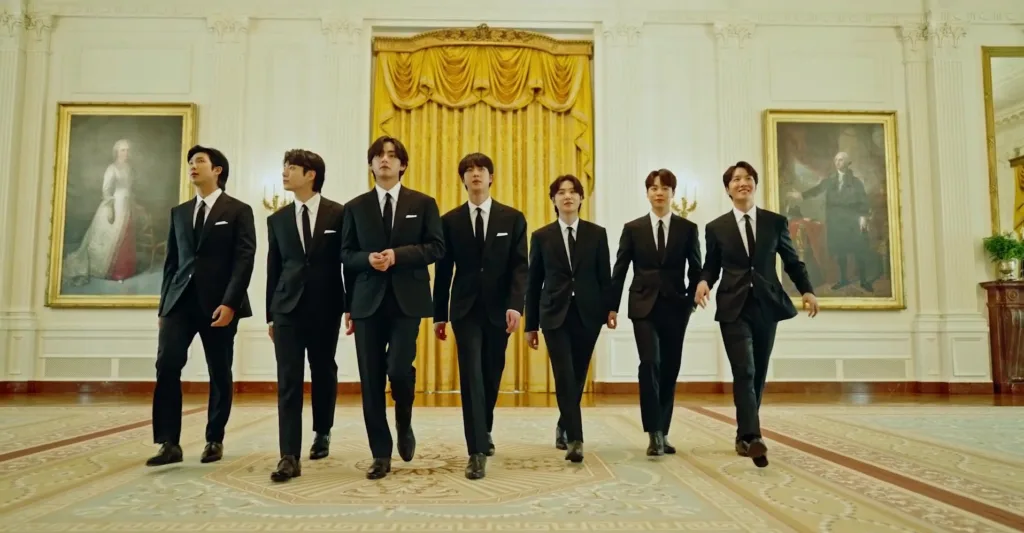
The shows are scheduled for October 7, 9 and 10 as part of BTS’s ARIRANG world tour. The Lima stop is especially significant because it marks the group’s first concerts in Peru and expands what was initially a two-night booking into a three-show event after extraordinary demand.
The approval followed technical and safety inspections covering the stadium, temporary structures, evacuation routes and crowd-management plans. Authorities also prepared traffic and security measures around the venue as tens of thousands of fans arrive from Lima and beyond.
Wowplus previously examined how BTS became a global financial powerhouse, and the Peru dates show another side of that scale: the group can now turn a first visit to a country into a multi-night stadium event.
Lima authorities formally cleared all three BTS shows
The Municipality of Lima said the concerts received authorization after the event plans passed the required technical review. The approval covered all three dates rather than only the originally announced performances.
According to Comercio, officials reviewed safety conditions at Estadio San Marcos before issuing the formal authorization for the October 7, 9 and 10 concerts.
The city’s involvement is important because events of this scale affect more than the stadium itself. Road closures, pedestrian flows, public transport, emergency access and informal commerce around the venue all have to be managed when tens of thousands of fans arrive at once.
Municipal authorities have also prepared security and traffic operations around each date, with large numbers of city personnel expected to be deployed near the stadium.

The third concert reflects extraordinary demand
BTS initially announced two Lima shows, but demand quickly exceeded the available supply of tickets. A third date was added, turning the Peru stop into one of the most substantial parts of the group’s South American schedule.
That level of demand is remarkable for a first visit. BTS have spent years building a huge Latin American fan base through streaming, social media, fan communities and previous regional appearances, but Peru had never hosted a full BTS concert before this tour.
Wowplus previously covered how BTS’s diehard fandom helped reshape the future of K-pop. The Lima expansion is a direct example of that fan power translating into real-world infrastructure, ticket demand and city planning.
For Peruvian ARMY members, the added show also created another chance to see the group without traveling internationally, something fans in the country had waited years to experience.
BTS arrived after shows in Bogotá
The group reached Lima after performing in Bogotá on October 2 and 3, continuing a demanding South American leg of the ARIRANG tour.
The travel schedule illustrates the scale of modern stadium touring. Production crews, stage equipment, security teams and support staff have to move across countries on tight timelines while maintaining consistent technical standards.
For BTS, the logistical challenge is matched by the emotional significance of entering a new market. First concerts in a country often produce a different atmosphere because many fans are seeing the group in person for the first time.
The Lima dates therefore carry more weight than a routine tour stop. They are both a commercial expansion and a cultural milestone for K-pop fans in Peru.
The concert run shows how far K-pop touring has expanded
Only a decade ago, a three-night stadium run by a Korean group in Peru would have seemed unlikely to many international promoters. BTS’s career has helped change those assumptions.
Their touring model now treats Latin America as a core market rather than an occasional extension of North American or Asian schedules. That shift has also benefited other Korean and global pop acts looking at the region.
Wowplus recently profiled KATSEYE’s global pop expansion beyond traditional performance markets, another example of how international pop strategies increasingly cross national and language boundaries.
BTS remain the clearest example of that change because their audience is large enough to support major stadium infrastructure in countries where Korean-language pop was once treated as a niche interest.


Lima is preparing for more than a concert
Large BTS events often become citywide fan gatherings. Supporters organize banners, themed transportation, merchandise meetups and social-media campaigns long before doors open.
That kind of activity can boost local businesses around a venue but also creates pressure on transport and crowd control. The city’s formal planning reflects an understanding that the event will affect surrounding districts as well as ticket holders.
Authorities have emphasized compliance with safety requirements and coordination around the stadium. Those measures are particularly important when fans begin arriving many hours before showtime.
The three-date format also means the same area will experience repeated surges over several days rather than a single evening, requiring consistent operations rather than one temporary response.
Why the Peru debut matters for BTS
BTS have already reached almost every major measure of global pop success: chart records, stadium tours, major awards, brand partnerships and enormous streaming numbers.
Yet first-time markets still matter because they reveal where the audience can continue expanding. Peru’s response suggests that years of remote fandom have created enough demand for multiple stadium nights even before the group had performed there once.
The tour also arrives after periods in which individual members focused on solo work and military service, making the full-group return especially meaningful for fans.
That context helps explain why ticket demand has been so intense. The concerts are not simply another international appearance; they represent a long-awaited chance to see all seven members together again on a major global tour.
Three nights could reshape expectations for future tours
If the Lima shows proceed smoothly and draw the audiences expected, promoters will have strong evidence that Peru can support repeat stadium dates for top-tier K-pop acts.
That could influence how future tours are routed across South America, encouraging more artists to treat Lima as a primary destination rather than a secondary market.
BTS Lima concerts 2026 therefore matter beyond the immediate excitement around October 7, 9 and 10. The formal approval confirms that a fan movement built over years online has become large enough to shape stadium schedules, city operations and international touring strategy.
For BTS, the three-night run adds another first to a career already filled with them. For Peruvian fans, it finally turns years of waiting into three nights of live music at home.


Isiagu Tobby
Wowplus editorial contributor.