

Table of contents
Nancy Cartwright net worth is often presented as a single figure, yet the most reliable public record tells a more interesting story about the work behind it. Her career includes The Simpsons, other animated series, teaching and a podcast built around decades of experience in Springfield. Those projects are documented; a complete personal balance sheet is not.
That distinction matters when a familiar voice becomes part of a valuable entertainment franchise. Cartwright’s performance as Bart Simpson is a creative contribution to a much larger production. The value of the franchise, the revenue of its owners and the assets of an individual performer answer different questions.
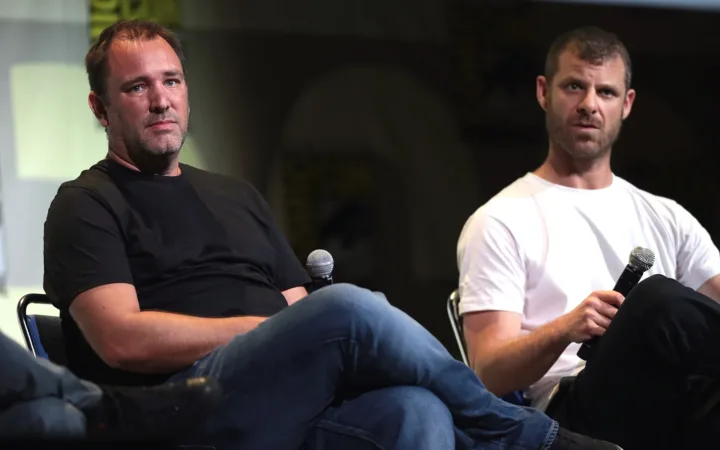
Our examination of Trey Parker’s South Park business approaches the economics of animation through another long-running series. Cartwright’s record offers a different route into the subject: a performer can build valuable expertise and develop additional projects around it without every contract or ownership share being public.
Nancy Cartwright net worth starts with a working career
The Television Academy’s oral-history interview traces her path through school speech activities, college and training with voice artist Daws Butler. Its account identifies Richie Rich as an early professional voice job and describes on-camera work as well. The career was already taking shape before Bart became its defining role.
The same interview records her audition story: she arrived expecting to read for Lisa Simpson and left with Bart. That change connected her with a character whose voice would become familiar to audiences over many years. The account comes from an interview conducted in 2011, not a newly announced casting decision.
The Television Academy also records her 1992 Emmy for Outstanding Voice-Over Performance as Bart. Recognition of that kind is evidence of professional achievement. It cannot be converted directly into a salary figure, but it helps explain why her contribution belongs in a serious account of the show’s creative history.
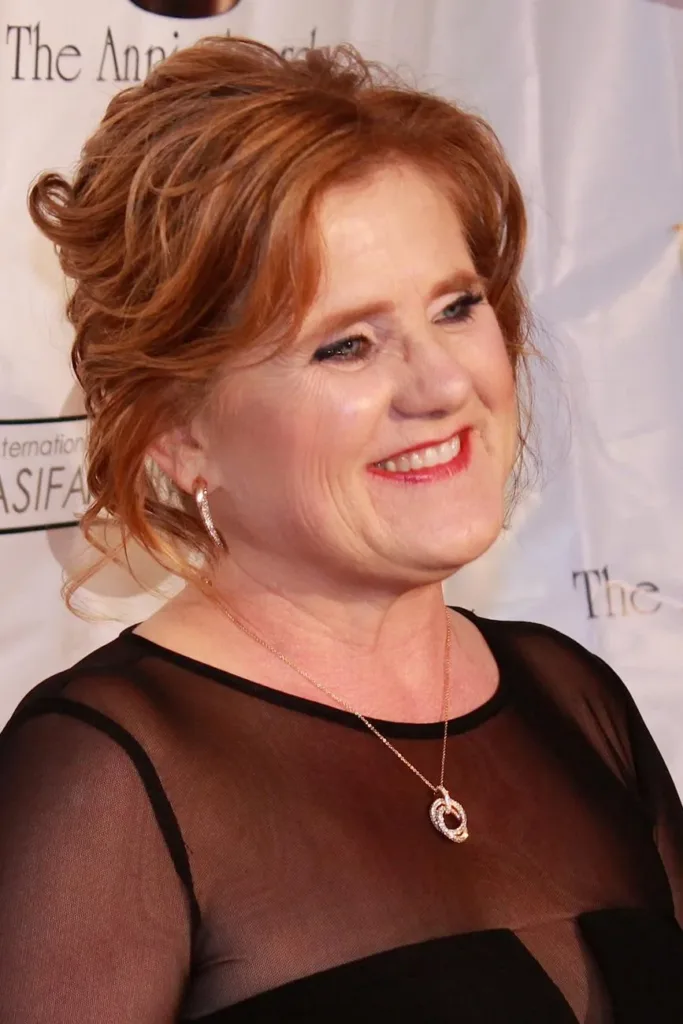
One performer, several characters and different kinds of work
Cartwright’s own biography lists additional Simpsons voices, including Ralph Wiggum, Nelson Muntz, Kearney and Database. Outside the series, it identifies work on Rugrats, Kim Possible, Animaniacs and The Replacements. These credits demonstrate range beyond a single voice, even when Bart remains the name most audiences recognise first.
That range is part of the professional skill being offered. A character needs an identifiable sound, but also an emotional performance that can serve a scene. Working across several characters involves choices about rhythm, attitude and delivery, with the final result shaped by writers, directors, editors and fellow performers.
The connection with Gillian Jacobs’s work in animation and live action is useful here. A screen career can extend across formats, and voice work deserves attention as performance. The credits reveal what someone has done; they do not disclose every commercial arrangement behind that work.
Cartwright has also made her expertise available through teaching. MasterClass lists a voice-acting course with 14 lessons covering character creation, emotional range and career development. The course is a separate professional offering, showing how experience gained in production can become the basis of educational work.
The publicly available lesson information describes what participants are offered. It does not disclose her fee or share of subscription income. Counting the course as a documented career activity is reasonable; assigning a precise personal return without a contract or financial disclosure would be guesswork.
A podcast turns experience into a new programme
In September 2025, Audacy announced Simpsons Declassified with Nancy Cartwright. The audio and video podcast pairs her with co-host Sofy Kurtz and draws on behind-the-scenes experiences, guest conversations and games for fans. Monica Gil-Rodriguez was named as its producer and showrunner.
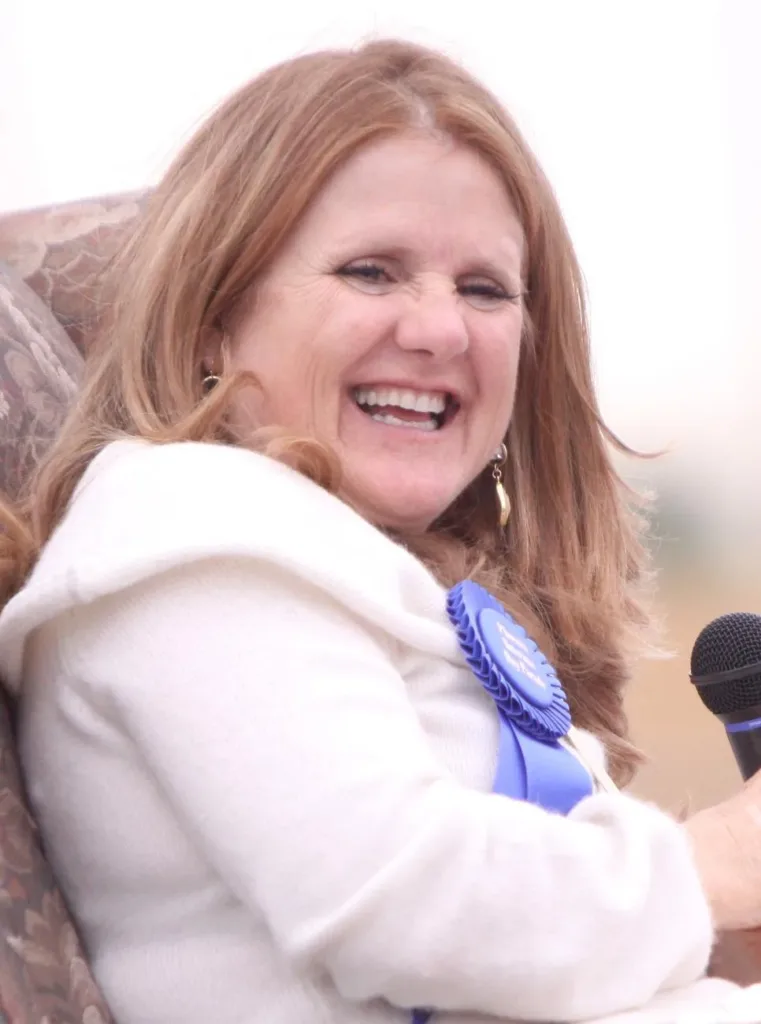
The launch announcement described a programme involving writers, directors, guest stars and famous fans. That creates a different role for Cartwright from recording dialogue as Bart. She appears as a host with her own professional memories, helping other participants explain how the series is made and remembered.
The current podcast listing identifies Audacy and CRE84U Entertainment and shows activity across 2025 and 2026. Its published descriptions provide examples of conversations about voice acting and animation careers. Those descriptions establish the programme’s subjects, without requiring an assumption that every advertised episode has been watched or independently assessed.
There is a related creative pattern in Felicia Day’s move between web series, audio and books. Experience in one format can support another project, but each still involves its own collaborators, production work and audience. A recognisable name is an advantage rather than a complete business model.
Franchise plans are separate from personal finances
Disney’s 2026 entertainment showcase included a preview of the next Simpsons film and listed a September 2027 theatrical release. That is a future franchise plan, rather than money already earned by any particular cast member. It does show why the series continues to be discussed beyond its television episodes.
The distinction also applies to merchandise, streaming availability and other commercial uses of a long-running property. Knowing that a programme reaches audiences in several ways does not reveal how a performer’s individual agreement treats each use. A credible wealth profile has to leave those private terms open when they have not been disclosed.
No complete, current statement of Cartwright’s personal assets and liabilities is established by the primary career sources reviewed here. This article therefore does not present an estimated total as a verified fortune. It identifies the work and publicly documented projects that help explain why financial interest in her career exists.
What emerges is a career built around a distinctive performance, a broader collection of characters and new ways of sharing accumulated experience. Bart made the voice famous. The teaching and hosting work show the person behind it continuing to find different uses for a long-developed craft.
Featured photograph: Gage Skidmore / Wikimedia Commons. CC BY-SA 2.0 (https://creativecommons.org/licenses/by-sa/2.0/). Cropped and resized.

Isiagu Tobby
Wowplus editorial contributor.