



Table of contents
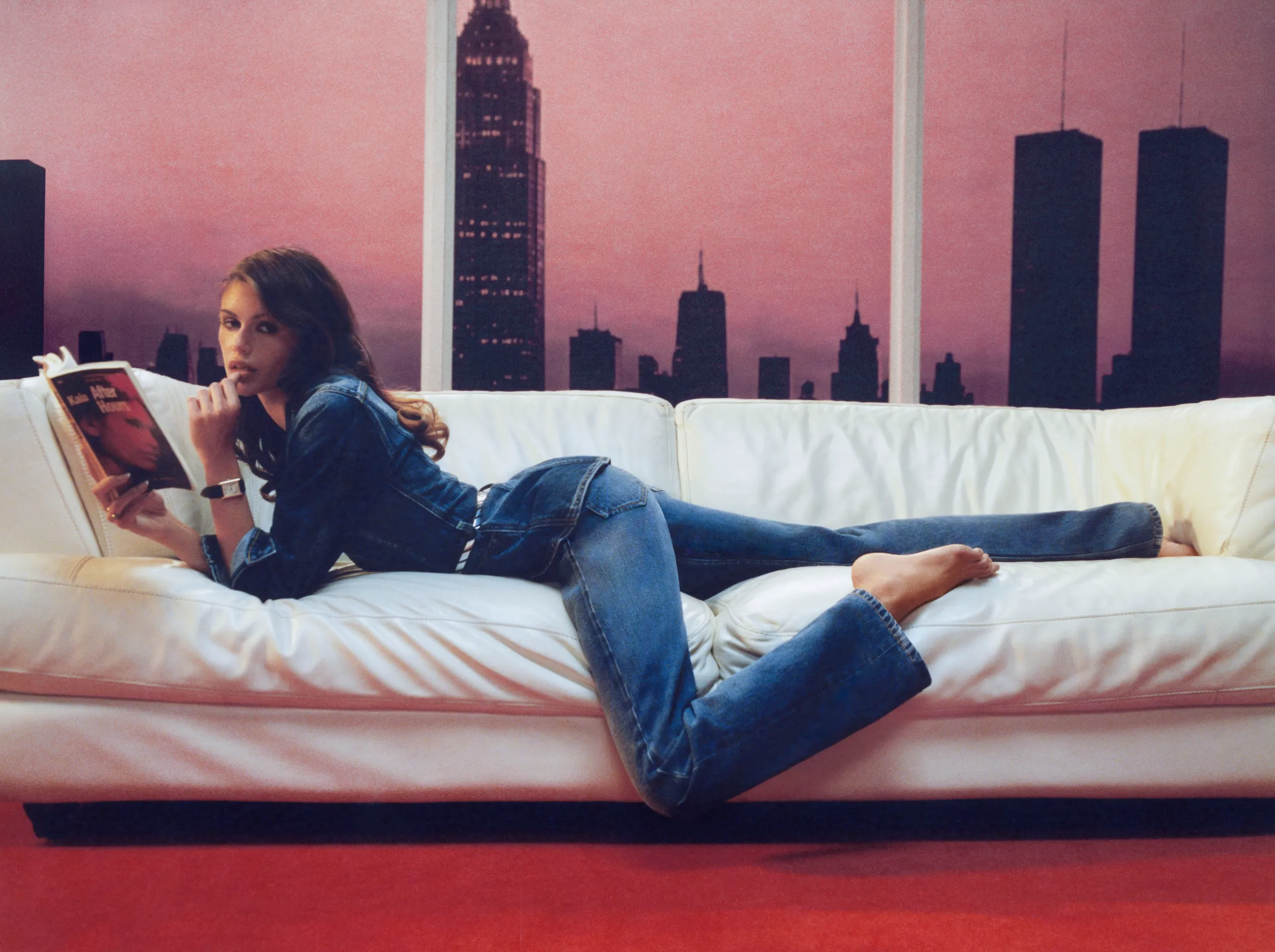
Kaia Gerber Re/Done collection is one of the clearest examples of fall 2026 fashion moving away from pure minimalism and toward clothes with a little more character. In a new Vogue interview, Gerber explains that the 60-piece capsule draws on the quiet confidence of librarians, Jane Birkin and the kind of wardrobe that looks collected over time rather than bought all at once.
The collaboration, called Kaia Vol. 1, arrives with Gerber serving not only as campaign face but also as an investor, creative partner and advisory-board member at Re/Done. That makes the project more interesting than a typical celebrity endorsement. She is attaching her name to design decisions, styling ideas and the commercial direction of a brand long associated with vintage-inspired denim.
The pieces span denim, knitwear, dresses, blazers, blouses and outerwear. The overall mood is polished without looking overly formal: clothes that can be worn to work, a dinner, a bookstore, a flight or an ordinary day when someone simply wants to look considered.
Wowplus has followed Gerber’s style evolution before, including her all-black New York look after SNL. That earlier outfit leaned sharp and monochrome; the new capsule shows a wider interest in mixing practical basics with softer, more literary references.
Kaia Gerber Re/Done collection starts with familiar pieces
Rather than inventing an entirely new fashion vocabulary, the capsule works with recognizable wardrobe staples. There are straight jeans, striped knits, tailored jackets, easy dresses and outerwear that can be layered as temperatures drop.
That familiarity is part of the appeal. A good capsule collection often succeeds because buyers can imagine the clothes living with what they already own. Gerber’s approach appears to favor pieces that can be repeated and restyled rather than worn once for a single dramatic moment.
The collaboration also reflects Re/Done’s history of updating vintage references. Denim remains central, but the line pushes beyond jeans into a fuller wardrobe. The result is less about chasing one viral item and more about building a consistent point of view.
The librarian reference is less costume than attitude
“Librarian style” can easily become a costume: glasses, cardigans and a stack of books used as props. Gerber’s version is subtler. The references show up in buttoned shirts, tidy tailoring, modest proportions and a slightly intellectual mood.
Jane Birkin is another influence, but again the collection does not read like direct imitation. Birkin’s lasting fashion appeal comes partly from how she mixed practical clothes with personal ease. Gerber seems interested in that looseness more than in copying one specific vintage photograph.
That approach fits with the way Gerber has often dressed in public. Even when she wears designer pieces, she tends to return to jeans, simple tops, leather jackets and uncomplicated shoes. Wowplus’s older story on Gerber wearing a Cindy Crawford hoodie captured a much younger version of that instinct to mix fashion with something personal and familiar.
Why the collection feels timely for fall
Fashion in 2026 has made room for both maximalism and restraint, but there is growing interest in clothes that feel useful without becoming anonymous. Gerber’s capsule sits in that middle ground.
A pinstriped blazer can look professional without becoming corporate. A soft blouse can feel romantic without looking precious. A leather trench can carry more personality than a basic coat while still functioning as outerwear. Those are the kinds of balances the collection appears designed to strike.
The styling also matters. Pieces are shown as parts of outfits rather than isolated products, which encourages mixing textures and proportions. That makes the capsule easier to read as a wardrobe system rather than a celebrity merchandise drop.
Gerber’s role signals a deeper celebrity-fashion model
Celebrity fashion collaborations are common, but the business structures behind them vary widely. Some involve little more than licensing a name and appearing in a campaign. Gerber’s position with Re/Done suggests a more involved relationship.
She has described working closely with the brand’s design team, including Meredith Kahn, on the tone and shape of the collection. That does not mean every stitch came directly from Gerber, but it does place her closer to the creative process than a standard ambassador.
Her career has also expanded beyond modeling. Acting, publishing interests and fashion partnerships have gradually added new dimensions to her public identity. Wowplus’s archive of Gerber’s earlier celebrity years shows how much coverage once centered on her personal life; the Re/Done project is a reminder that her professional story now has more business and creative layers.
What shoppers can take from the look without buying everything
The most useful part of a celebrity collection is often the styling idea rather than the full shopping list. Gerber’s fall formula can be recreated with pieces many people already own: straight jeans, a striped knit, a structured blazer, a simple dress and one stronger piece of outerwear.
The “librarian” influence also works best when it remains slightly imperfect. A shirt can be half tucked, a blazer can sit over faded denim, and a polished shoe can be worn with something relaxed. The point is to create tension between neat and lived-in.
That makes the Kaia Gerber Re/Done collection more approachable than its fashion-editorial framing might initially suggest. The campaign is polished, but the wardrobe logic is practical: repeatable clothes, layered thoughtfully, with enough personality to avoid feeling generic.
Gerber’s strongest contribution may be that she is not trying to turn every item into a statement piece. The capsule instead argues for a quieter kind of style confidence, where the same jacket or pair of jeans becomes more interesting through repetition, context and the person wearing it.


Isiagu Tobby
Wowplus editorial contributor.