



Table of contents
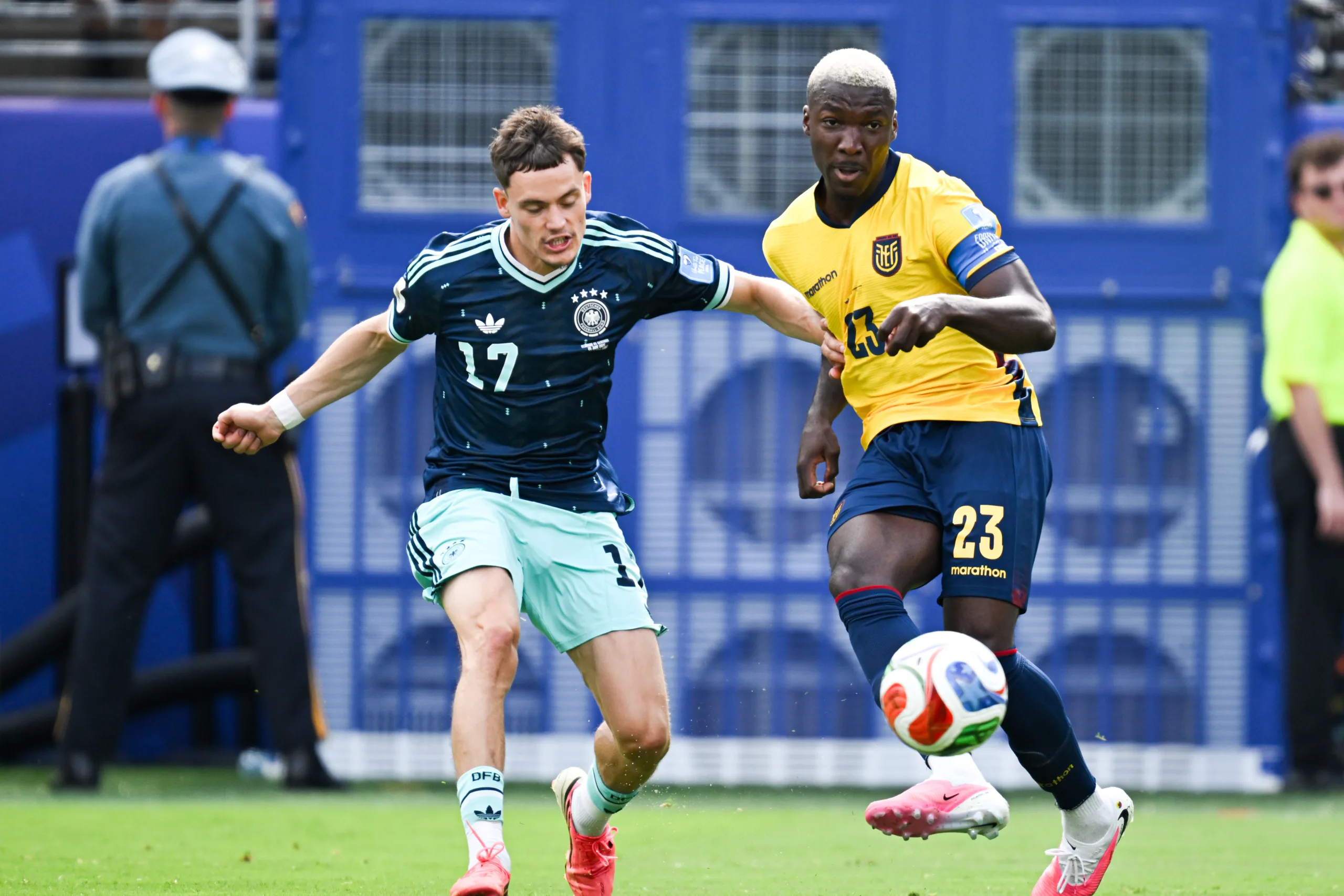
Germany Serbia 2-0 gave Jürgen Klopp his first victory as national-team coach as Tom Bischof and Florian Wirtz scored in a much-improved Nations League performance in Munich.
Klopp responded to Germany’s difficult start by changing the entire starting XI from the team that lost to Greece. The gamble worked. Germany pressed with greater intensity, moved the ball more quickly and controlled Serbia for long stretches before Bischof and Wirtz turned that pressure into goals.
The result was significant because Klopp arrived with enormous expectations after his club career, particularly his years at Liverpool. Wowplus previously covered Klopp’s work reshaping Liverpool during a pre-season reset, and many of the same ideas—aggressive pressing, fast transitions and clear attacking roles—are now being tested in the shorter rhythm of international football.
Klopp changed all 11 starters
Germany entered the Serbia match under pressure after drawing with the Netherlands and then losing 1-0 at home to Greece. Klopp reacted decisively, making 11 changes and handing debuts to goalkeeper Jonas Urbig and winger Derry Scherhant.
The new lineup played with more urgency. Germany pushed Serbia back early, recovered the ball quickly after losing it and created a series of chances before finally taking the lead in the 39th minute.
Reuters reported that Florian Wirtz created the opening goal, finding Tom Bischof for the midfielder’s first senior international strike in only his second appearance for Germany.


The breakthrough rewarded a first half in which Germany looked far more comfortable than they had against Greece. The players appeared clearer about where to press and how quickly to move forward once possession was regained.
Wirtz became the creative centre of the team
Wirtz was involved in most of Germany’s best attacking moments. His assist for Bischof showed his ability to find a runner in a crowded area, while his own goal after the interval gave Germany the control their performance deserved.
The second goal came just after the hour mark, with Wirtz finishing neatly from the edge of the penalty area. It was a reminder of why he has become one of Germany’s most important attacking players and why his club career has attracted so much attention.
Wowplus followed that story when Florian Wirtz was linked with a Liverpool move. His role for Germany is different from any single club system, but the qualities are the same: receiving between lines, turning quickly and making the final pass or shot before the defence can reset.
Klopp’s task is to build a structure that lets Wirtz influence games without forcing every attack through him. Against Serbia, the movement around the midfielder created enough space for him to play naturally.
Young players gave Klopp new options
Bischof’s goal was one of the clearest positives. Scoring a first senior international goal in a match Germany badly needed to win gives the young midfielder an immediate reference point at this level.


Urbig and Scherhant also benefited from Klopp’s willingness to change the team. International coaches have fewer training sessions than club managers, which makes it harder to introduce unfamiliar players, but the Serbia match showed that competition for places can still change quickly.
The broader Nations League schedule encourages experimentation because every fixture also carries consequences. Wowplus previously explained the competition’s structure when covering the UEFA Nations League draw, and Germany’s current campaign shows the tension between development and the need for immediate results.
Klopp cannot treat the competition like a series of friendlies. Germany’s slow start had already created pressure, so giving debuts to younger players was a calculated risk rather than a free experiment.
The win sets a standard after a difficult start
After the match, Klopp said Germany had played well both with and without the ball and suggested the performance should become a standard for the team. That is a more important message than simply celebrating his first victory.
Germany’s opening two matches showed that appointing a high-profile coach does not instantly solve tactical or confidence problems. The national team still has to learn Klopp’s demands in short training windows while players arrive from different club systems.
The Serbia performance offered the first strong evidence that those ideas can translate. Germany pressed as a unit, attacked with more purpose and looked less vulnerable when possession changed hands.


There were still missed chances. Nick Woltemade should have scored at the back post before Wirtz made it 2-0, and stronger opponents may punish that lack of efficiency. But Germany created enough opportunities that the final score did not flatter them.
The next challenge is consistency. One convincing performance does not erase the draw with the Netherlands or the loss to Greece, and the return fixture against Greece will test whether the Serbia win was a turning point or simply a good night.
For Klopp, however, the first victory matters because it gives his players a clearer picture of what success under him should look like. The wholesale changes produced energy, Wirtz supplied the quality and Bischof provided the breakthrough. Germany now have a result to build from rather than only a new coach’s reputation to discuss.


Isiagu Tobby
Wowplus editorial contributor.