



Table of contents
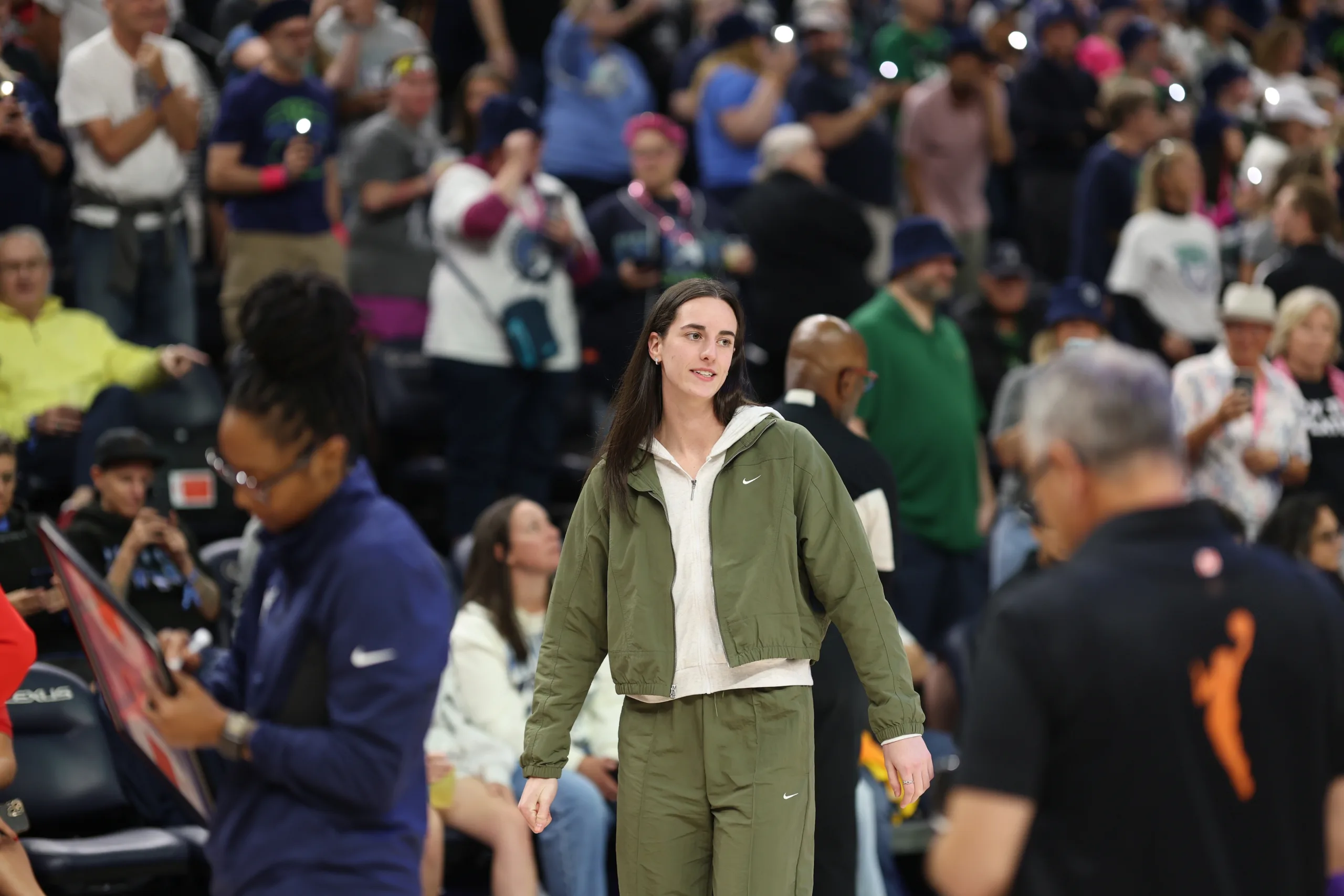
Caitlin Clark Nike signature shoe arrives as more than another athlete product launch: it is a sign of how quickly Clark has moved from college basketball phenomenon to one of the most commercially visible players in the women’s game.
Nike plans to release Clark’s first signature basketball shoe in the United States on October 1, 2026, following an earlier China launch. The debut colors are called “Caitlin Blue” and “Warning Code Yellow,” and the shoe is priced at $140. A matching apparel line with T-shirts, jackets and sweatshirts is also planned.
Clark told AP that she was heavily involved in the design process and wanted the finished product to feel personal to fans. She also described the milestone as something that once felt almost too distant to imagine when she was a child who simply wanted the newest basketball shoes.
The launch brings a story Wowplus began following in 2024 into a new phase. Back then, Clark’s major sneaker deal with Nike was still being discussed largely in terms of contract value, rival offers and the possibility of a future signature model. Now that possibility has become an actual product with a date, price and design identity.
The shoe places Clark in a small group of active stars
Signature basketball shoes remain a selective part of athlete marketing. Clark is set to become the fifth active women’s player with a signature model, joining Sabrina Ionescu and A’ja Wilson at Nike, Angel Reese at Reebok and Breanna Stewart at Puma.
That group matters because a signature shoe asks more from a brand relationship than a standard endorsement. The athlete’s name is not simply attached to an advertisement. Their identity becomes part of a product line that has to perform on court, look distinctive on shelves and build enough demand to justify future colorways and releases.
Clark said she wanted fans to feel connected to her when they wear the shoe, and the first colors appear designed to make that connection visible. She has already worn the model herself and gave pairs to Indiana Fever teammates after returning from the FIBA Women’s World Cup.
The timing also gives Nike a strong commercial narrative. Clark’s popularity has grown alongside a wider rise in attention around women’s basketball, making the shoe both a personal milestone and a test of how much that audience can translate into footwear sales.


Her public image has also developed beyond the box score. Wowplus recently looked at Caitlin Clark’s evolving off-court style, showing how fashion, beauty and presentation have become part of the attention surrounding her even while basketball remains the center of her career.
Clark’s involvement is meant to make the product feel personal
One of the clearest points in Clark’s comments is that she does not want the shoe treated as something Nike designed without her. She said she spent significant time on the process and stressed that she was not simply approving a finished mock-up.
That level of involvement matters for athlete brands because fans are increasingly familiar with the difference between a generic endorsement and a product that reflects the person whose name is on it. Signature lines work best when the design story feels connected to how an athlete plays, dresses or presents themselves.
Clark’s message around confidence is equally important. She said she hopes people who put on the shoe feel as though they can dream about achieving something that once seemed far away. It is a familiar sports-marketing idea, but in her case it fits a career that moved very quickly from Iowa record-setter to WNBA star and global commercial figure.
The $140 price places the shoe in the same general range as other current signature basketball models rather than positioning it as an unusually expensive collector item. That gives Nike room to market it as a performance shoe for players while also selling it to fans who follow Clark as a personality.
Clark’s rise has already produced several moments where basketball achievement and public attention overlap. Wowplus covered the intense reaction around her earlier Team USA omission, a reminder that decisions involving Clark often become larger cultural conversations because of the size of the audience following her career.
The bigger story is women athletes gaining more product ownership
The history behind women’s signature basketball shoes gives Clark’s launch extra weight. Sheryl Swoopes became the first women’s basketball player to receive a signature shoe in 1995, but the category did not grow steadily in the decades that followed. Long gaps remained even as women’s basketball produced recognizable stars.

The current group looks different. Multiple active players now have signature lines at competing brands, and those products are being marketed as serious basketball shoes rather than novelty releases. Clark entering that group adds another high-profile name to a category that is finally becoming less unusual.
There is also a business lesson in the way Nike is extending the launch beyond footwear. Apparel gives the company more ways to sell Clark’s identity to fans who may never play basketball but still want to wear something connected to her. It turns one shoe release into the beginning of a broader personal brand system.
For Clark, the challenge after launch will be the same one every signature athlete faces: the product has to build a life beyond the initial excitement. New colors, future versions and repeat demand will matter more over time than the first week of attention.
The Caitlin Clark Nike signature shoe nevertheless arrives at a meaningful point in her career. It connects the commercial promise surrounding her 2024 Nike deal with a finished product she helped shape, while placing her inside a still-exclusive group of women athletes whose names sit on performance footwear. For fans, October 1 is a release date. For Clark, it is evidence that one of basketball’s fastest rises has now become a long-term brand of its own.


Isiagu Tobby
Wowplus editorial contributor.