



Table of contents
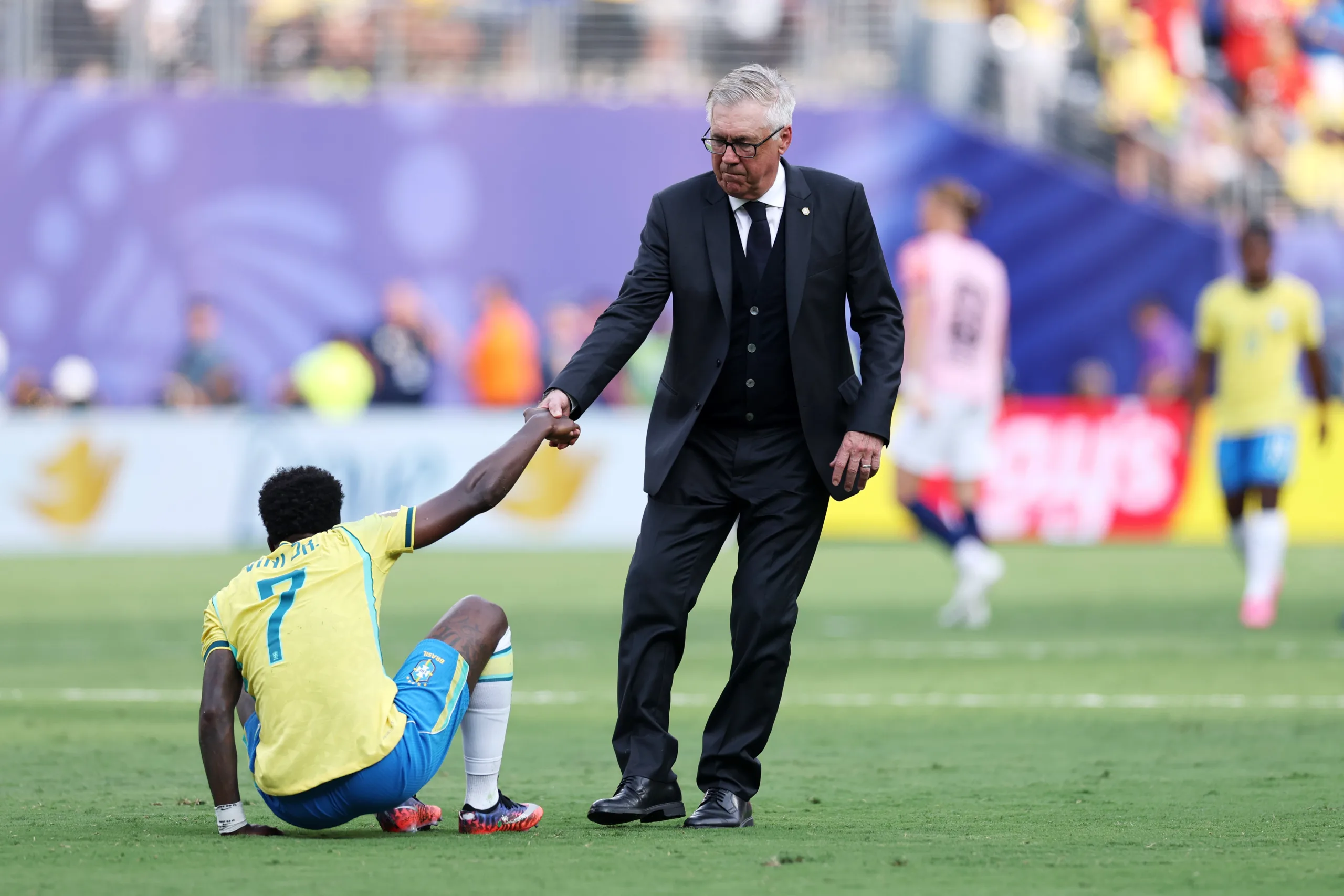
Brazil national team rebuild has entered a decisive phase after Carlo Ancelotti confirmed that Neymar, Casemiro and Danilo are no longer part of his long-term plans.
The decision follows Brazil’s disappointing 2026 World Cup campaign and Neymar’s retirement from international football. Ancelotti is now turning toward a younger group with the 2028 Copa America and the next World Cup cycle in mind.
For Brazil, moving on from three of the most recognisable players of the past decade is both symbolic and practical. Neymar was the creative centre of the team, Casemiro provided midfield control, and Danilo offered leadership and tactical flexibility. Their absence leaves important gaps, but it also gives the coaching staff freedom to build a new identity.
Brazil have experienced generational change before, and the country’s football culture constantly produces new talent. Wowplus previously highlighted Estevao Willian as one of the next Brazilian players expected to make a major impact. The challenge is turning individual promise into a balanced national team.
Ancelotti is choosing a clean break
Coaches often keep experienced players around during a transition, but Ancelotti appears to prefer a clearer separation between the previous cycle and the next one.
Neymar’s retirement changes the attack completely
For more than a decade, Brazil’s attacking structure was built around Neymar’s movement, creativity and ability to draw defenders. Even when he was not fully fit, opponents planned specifically for him.
Without Neymar, Brazil must distribute creative responsibility across several players. That could make the team less predictable, but it also requires younger attackers to make better decisions in important matches.
The emotional significance is also considerable. Neymar became one of Brazil’s leading international scorers and carried expectations at multiple World Cups. His departure closes an era that included brilliant individual moments but never produced the senior World Cup title supporters expected.
Wowplus covered an earlier moment when Pele encouraged Neymar and Brazil’s players during the 2022 World Cup. The contrast with the present is striking: the team must now create a future without either of the two figures most closely associated with its recent football identity.
Casemiro and Danilo leave leadership gaps
Casemiro’s influence extended beyond defensive midfield. He organised the team, protected attacking players and brought experience from years of high-pressure club football.
Danilo offered similar value in defence. He could play at full-back or centre-back and often acted as a calm voice in difficult moments.
Removing both players creates opportunities for younger footballers, but leadership cannot be replaced through talent alone. Ancelotti will need new captains and stronger communication across the squad.
The next generation must become a team
Brazil rarely struggles to produce gifted attackers. The larger problem has often been finding the right balance between flair, midfield control and defensive security.
Young players need defined roles
Prospects such as Estevao, Endrick and other emerging forwards bring excitement, but international football gives them limited time to develop chemistry. National teams train together for short periods and must adapt quickly to different opponents.
Ancelotti’s experience may help. He has managed elite players across several leagues and is known for adjusting systems to suit the squad rather than forcing every team into one rigid shape.
The rebuild should also include players who are less glamorous but tactically reliable. Brazil’s strongest teams traditionally combined creative stars with disciplined midfielders and defenders willing to perform simple roles.
International tournaments often reward that balance. Wowplus’ report on the pressure of knockout football at the U-17 World Cup showed how quickly tournament momentum can change. The senior team must prepare young players for the same unforgiving environment.
The 2028 Copa America is the first major target
Ancelotti’s decision gives Brazil time to experiment before the next World Cup. The 2028 Copa America will be the clearest test of whether the rebuild is producing progress.
Results in friendly matches will matter less than the emergence of a consistent structure. Brazil need to know who controls midfield, who leads the defence and which attackers can create chances when opponents sit deep.
The coach must also manage public expectations. Brazilian supporters expect every generation to compete for trophies, and patience can disappear quickly after poor results.
That pressure makes the clean break risky. If younger players struggle, calls for experienced names may return. Ancelotti will need to show that selection decisions are based on a coherent plan rather than age alone.
Brazil are replacing an era, not just three players
Neymar, Casemiro and Danilo represented different parts of the same generation. Their international careers were shaped by enormous expectations, painful tournament exits and long periods as automatic selections.
Moving on allows Brazil to refresh the squad, but it also removes familiar solutions. The new team will have to create its own leaders, attacking patterns and emotional identity.
The Brazil national team rebuild will therefore be judged on more than whether a few young stars succeed. It will depend on whether Ancelotti can build a group that is tactically connected and mentally prepared for major tournaments.
Brazil still possess one of the deepest talent pools in world football. The difficult part is deciding which players fit together and giving them enough responsibility to grow. Ancelotti has made the first decision clearly: the next cycle will not be built around the names that defined the last one.


Isiagu Tobby
Wowplus editorial contributor.