



Table of contents
- Directing created the reputation, but participation created the wealth
- Amblin turned Spielberg from director into owner-producer
- DreamWorks created another major ownership layer
- The Universal theme-park deal is an unusually durable income stream
- A vast film library keeps creating value
- Net worth is not the same as cash
- Spielberg’s fortune shows what happens when creative leverage compounds
Steven Spielberg net worth 2026 is estimated at $7.9 billion, according to Forbes, making the filmmaker one of the wealthiest figures in entertainment history.
The size of that fortune can look surprising even for someone who directed Jaws, E.T., Jurassic Park, Saving Private Ryan and many other hits. The reason is that Spielberg’s wealth was never built from directing fees alone. Decades of producing, ownership, studio participation, backend deals and a long-running economic relationship with Universal turned creative success into assets that continued paying long after individual films left theaters.
Forbes currently estimates Spielberg’s net worth at $7.9 billion. The publication notes that films he directed have grossed more than $10 billion worldwide and that his business arrangements extend well beyond the box office totals attached to his name.
The pattern resembles other filmmakers whose biggest fortunes came from ownership rather than salary alone. Wowplus previously examined James Cameron’s billionaire movie fortune, another example of how a director can become vastly wealthier by retaining participation in valuable franchises and projects.
Directing created the reputation, but participation created the wealth
Spielberg became a household name through directing. Jaws transformed the modern summer blockbuster, while later films established him as one of the rare filmmakers capable of moving between commercial spectacle and prestige drama.
But a successful director’s fee is still only a one-time payment unless the contract includes a share of future revenue. Spielberg’s career developed during an era when top filmmakers could negotiate for backend participation, giving them a percentage of profits or other forms of long-term compensation tied to a film’s performance.
That distinction matters because Spielberg’s movies often continued earning money for decades through theatrical re-releases, television licensing, home video, streaming and franchise extensions.
Even when a specific participation agreement is private, the broader financial principle is clear: owning or sharing in successful intellectual property can be far more valuable than being paid once to create it.
Spielberg reached the level of leverage where studios were willing to make those deals because his involvement could materially change a project’s commercial prospects.
Amblin turned Spielberg from director into owner-producer
One of the most important steps in Spielberg’s financial evolution was building production companies around his work rather than operating only as a hired director.

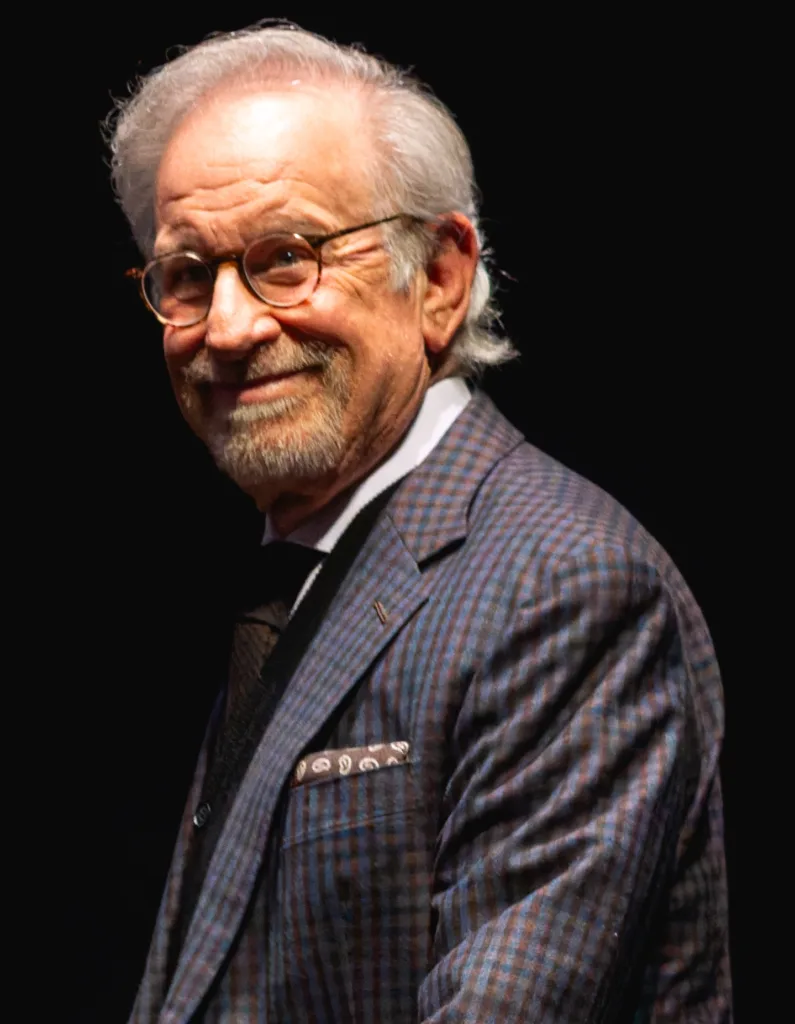
Amblin Entertainment became associated with films and television projects far beyond the titles Spielberg personally directed. That broadened his economic exposure across entertainment and allowed him to participate in projects as a producer and company owner.
Production ownership matters because it creates value at a different level. A director is paid for a film. A production company can own development rights, producer fees, library interests and participation across multiple projects.
This is the same structural shift seen in many modern celebrity fortunes. Wowplus looked at Arnold Schwarzenegger’s $1.2 billion fortune, where earnings from entertainment became more powerful after being converted into investments and ownership.
For Spielberg, producing also reduced reliance on whether he personally wanted to direct another movie. His companies could remain active even when he stepped away from the director’s chair.
DreamWorks created another major ownership layer
In 1994, Spielberg co-founded DreamWorks SKG with Jeffrey Katzenberg and David Geffen. The studio became one of the most ambitious attempts by major entertainment figures to build a new Hollywood company outside the traditional studio system.
DreamWorks produced live-action films, animation and television, creating both direct earnings and long-term corporate value for its founders.
Building a studio is very different from making a single successful movie. It requires capital, distribution, development infrastructure and the ability to survive projects that fail. But the upside is also much larger because ownership can capture value across an entire slate rather than one title.
Spielberg’s role at DreamWorks added a business identity to a career already associated with creative control. He was no longer only negotiating with studios; he had become one of the people building one.
That shift helps explain why comparing his wealth only with actor or director salaries misses most of the story.
The Universal theme-park deal is an unusually durable income stream
One of the most distinctive pieces of Spielberg’s fortune is his long relationship with Universal’s theme parks.
Forbes notes that Spielberg receives a share connected to ticket revenue at Universal Orlando because of a consulting arrangement dating back to the development of the original park. The precise economics are complex, but the important point is that the deal created an income stream tied to a major entertainment destination rather than a specific movie release.
That kind of agreement is powerful because theme parks can operate for decades. Movies open and close, but a successful destination can keep generating revenue year after year.

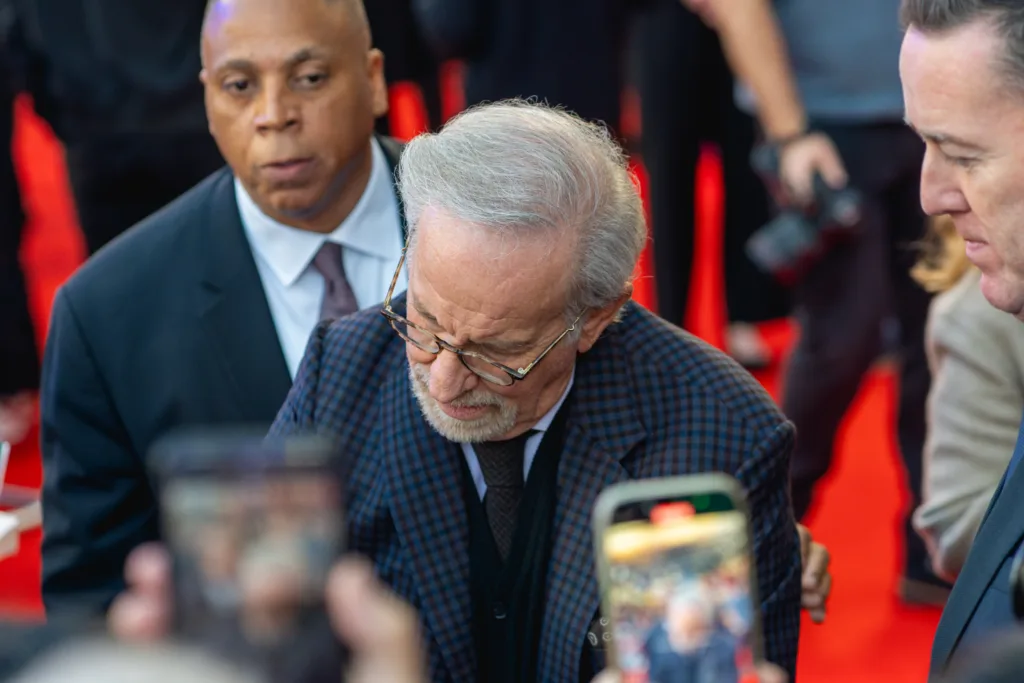
Spielberg’s association with franchises such as Jurassic Park also made him especially valuable to Universal as the company expanded movie properties into physical attractions.
The arrangement shows how intellectual property can move across businesses. A filmmaker’s work can generate theatrical revenue, licensing fees, merchandise, streaming value and theme-park economics, all from the same underlying creative assets.
A vast film library keeps creating value
Spielberg’s career spans more than five decades, meaning his financial story includes one of the deepest bodies of commercially successful work in modern cinema.
Older films do not stop earning simply because they are no longer new. Libraries are licensed to television networks and streaming platforms, sold in physical formats, used in anniversary releases and incorporated into franchise marketing.
For a filmmaker with backend participation or ownership interests, that creates a long tail of revenue. A hit from the 1980s can still contribute value in the 2020s.
This kind of durable catalog economics is familiar in music as well. Wowplus previously examined Oprah Winfrey’s $3.4 billion media fortune, where decades of content ownership and business control mattered far more than any single year’s salary.
Spielberg’s advantage is similar: the asset base accumulated across decades.
Net worth is not the same as cash
As with any billionaire estimate, the $7.9 billion figure should not be interpreted as cash sitting in a bank account.
Net worth calculations include estimated values for ownership stakes, investments, real estate, private-company interests and long-term economic rights. Many of those assets cannot be sold instantly, and their value can change.
Private entertainment deals also make precise accounting difficult from the outside. Participation percentages and ownership structures are often confidential, which is why Forbes and other wealth trackers describe their figures as estimates rather than audited personal financial statements.
The number is useful because it gives a scale, not because it reveals every asset Spielberg owns.
Spielberg’s fortune shows what happens when creative leverage compounds
Steven Spielberg net worth 2026 ultimately reflects the compounding effect of creative success combined with ownership.
Directing blockbuster films gave Spielberg leverage. That leverage helped him negotiate participation. Participation produced capital. Production companies and DreamWorks expanded ownership. Theme-park economics and library value added income streams that could continue for decades.
The result is a fortune that cannot be explained by movie salaries alone. Forbes’ $7.9 billion estimate places Spielberg closer to major media owners than to a conventional working director, even though directing remains the achievement most closely associated with his name.
That is what makes his financial story unusual. Spielberg did not simply become one of Hollywood’s most successful filmmakers. Over time, he converted creative influence into business structures designed to keep creating value long after the credits rolled.


Isiagu Tobby
Wowplus editorial contributor.