



Table of contents
- NBA salary created the base, not the whole fortune
- Nike became the anchor of his endorsement empire
- Taking equity changed the economics of endorsement deals
- SpringHill turned storytelling into another business asset
- Real estate and investments add diversification
- His 2026 playing decision shows money is no longer the main issue
LeBron James net worth 2026 stands at an estimated $1.4 billion, according to Forbes, putting the basketball icon in a rare group of athletes whose wealth grew far beyond playing salary alone.
James became the first active NBA player to reach billionaire status, but the path was not simply a result of more than two decades in professional basketball. His fortune reflects a combination of record-breaking career earnings, endorsement income, media ventures and one of the most important financial decisions of his career: taking ownership stakes in companies instead of accepting only cash sponsorship fees.
Forbes currently estimates James’ fortune at $1.4 billion. The publication says he has earned more than $500 million in pretax NBA salary and more than $1 billion pretax away from the court through business ventures and endorsement deals.
That model places James in the same broader conversation as other entertainers and athletes who used fame as a starting point rather than the entire business. Wowplus previously looked at Roger Federer’s billionaire-era wealth story, another example of an athlete whose financial life became increasingly dependent on ownership, investments and brand value rather than prize money alone.
NBA salary created the base, not the whole fortune
LeBron James entered the NBA in 2003 as one of the most anticipated young players in league history. More than two decades later, he has played for the Cleveland Cavaliers, Miami Heat, Los Angeles Lakers and, in 2026, moved into the next stage of his record-setting career.
Forbes estimates that his pretax NBA salary has surpassed $500 million. That is an extraordinary figure, but it is still only one piece of the wealth calculation. Taxes, agent fees, living costs and business expenses mean career salary can never be treated as the same thing as net worth.
What matters is what happened to the money after it was earned. James consistently used salary and endorsement income to buy assets, fund businesses and take equity positions that could grow independently of his playing career.
That distinction separates very wealthy athletes from billionaire athletes. A player can earn hundreds of millions of dollars and still never build a ten-figure fortune if most income remains cash compensation that is spent, taxed or fails to appreciate.
James’ career earnings gave him the capital to make larger bets, but ownership is what changed the scale.
Nike became the anchor of his endorsement empire
James has been associated with Nike since before his first NBA game. The relationship eventually developed into a lifetime endorsement agreement, making the sportswear company one of the central commercial pillars of his career.

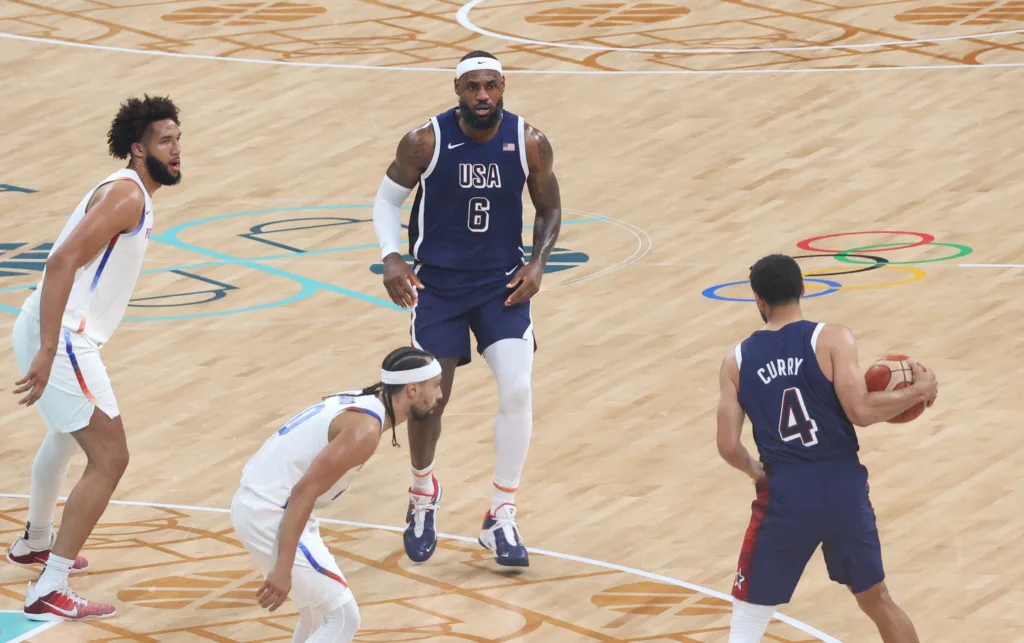
The exact economics of the lifetime contract are private, which means it should not be treated as a publicly verified lump-sum payment. What is clear is that Nike has kept James connected to one of the world’s largest sports brands for decades, supporting signature shoes, apparel and global marketing campaigns.
Endorsements from companies including Nike gave James enormous annual income, but he gradually pushed beyond the traditional athlete model of being paid simply to appear in advertising.
That shift toward ownership resembles the strategy behind other entertainment fortunes. Wowplus previously examined Dr. Dre’s wealth and the role Beats played in his fortune. The connection is especially relevant because James was also an early equity participant in Beats by Dre, giving him exposure to the company’s growth instead of only collecting a promotional fee.
Taking equity changed the economics of endorsement deals
Forbes identifies equity ownership as one of the key reasons James reached billionaire status while still playing. Beats by Dre became the clearest early example.
James promoted Beats products while also holding an ownership interest. When Apple acquired Beats in 2014, that stake became far more valuable than a normal endorsement cheque would have been.
The principle later appeared across other parts of his business life. James has invested through companies and partnerships connected to media, sports, consumer products and entertainment. Not every investment becomes public, and private-company valuations can change, but the overall strategy is clear: when possible, he has sought upside in the business rather than only payment for his image.
That approach has become increasingly common among modern celebrities. High-profile athletes and entertainers now ask for shares, profit participation or ownership rights because a growing company can create more long-term wealth than even a large one-time fee.
James entered that model early enough for the gains to compound over many years.
SpringHill turned storytelling into another business asset
James also expanded into media through SpringHill, the entertainment company associated with projects across film, television and branded content.
The logic behind the company is similar to his endorsement strategy. Instead of appearing only as talent in other people’s productions, James built a structure that could own and produce content.

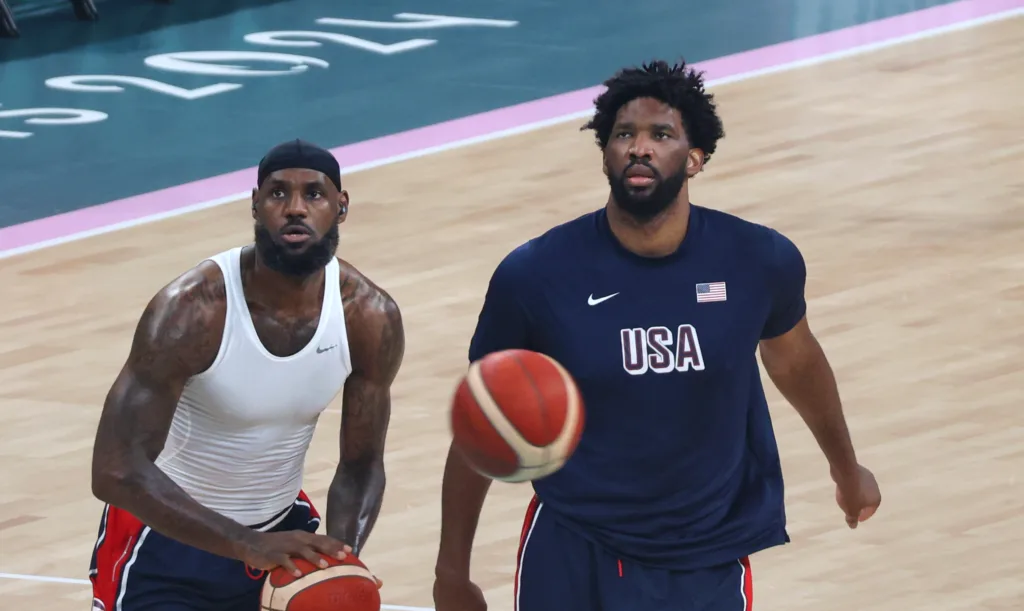
That matters because media ownership creates several possible revenue streams: production fees, distribution agreements, intellectual-property rights and the future value of the company itself.
Celebrity wealth often becomes more durable when the person moves from performer to owner. Wowplus explored a similar transition in Arnold Schwarzenegger’s $1.2 billion fortune, where acting income was only one part of a much larger investment and ownership story.
For James, media also provides a path beyond basketball. A player’s athletic career eventually ends, but a production company, investment portfolio or brand stake can continue generating value long after the final game.
Real estate and investments add diversification
James has also accumulated valuable real estate and investment holdings over the course of his career. Those assets matter because they reduce dependence on any one source of income.
Public estimates of celebrity wealth are never exact accounting statements. Private businesses do not always disclose valuations, ownership percentages can change, and property values move over time. Forbes’ $1.4 billion figure should therefore be understood as an informed estimate based on known and estimated assets rather than cash sitting in a bank account.
That distinction is important. A billionaire net worth usually includes illiquid assets such as private-company shares, real estate and investment stakes that cannot necessarily be converted to cash immediately at the estimated value.
James’ financial strength comes from having several of those assets rather than one single source of wealth.
His 2026 playing decision shows money is no longer the main issue
By 2026, James had already earned enough that another NBA contract was unlikely to materially change his long-term financial position. Forbes reported in July that he planned to continue his record-setting career on a relatively modest new deal by superstar standards.
That illustrates how different his financial situation has become from the early years of his career. Playing salary still matters professionally, but it is no longer the engine of his wealth.
The bigger financial story is what happened to the money earned over more than two decades: endorsements became equity, celebrity became ownership, and basketball fame became leverage for businesses that could outlast the sport itself.
LeBron James net worth 2026 is therefore less a story about one enormous NBA contract than about accumulation. More than $500 million in pretax playing salary created the base, more than $1 billion in off-court earnings expanded it, and strategic ownership helped turn those earnings into an estimated $1.4 billion fortune.
That is the central lesson in James’ financial career. The biggest leap did not come from being paid more to play basketball. It came from learning how to own part of the businesses built around his influence.


Isiagu Tobby
Wowplus editorial contributor.