



Table of contents
Nintendo Museum gives the company’s history a physical setting: a place where visitors can look at products, play with oversized controllers and take part in a card-making workshop. In Uji, Kyoto, the business extends beyond selling a game to offering an experience built around the company’s past.
Two years after the museum opened in 2024, its public guides describe a mix of displays, interactive activities and a shop. The interesting commercial question is how those pieces fit together. The museum sells access to a place and an experience, while presenting the products that helped make the company recognisable.
A former industrial site becomes a visitor destination
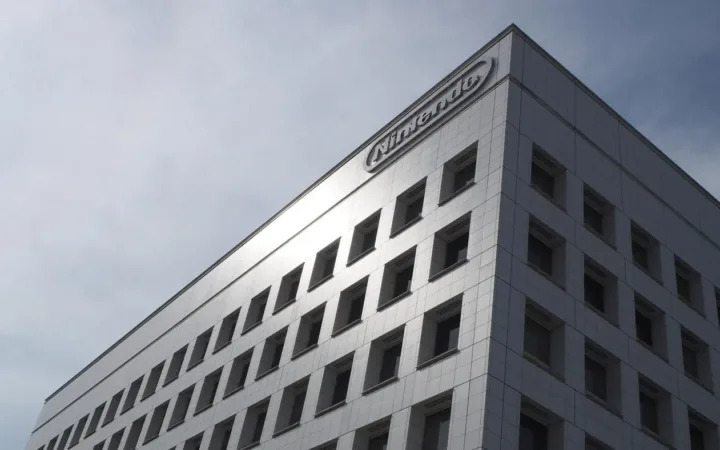
Nintendo’s site history traces the Uji Ogura Plant to 1969, when it was built primarily to produce toys. Its roles later included warehousing, product inspection, card manufacture and customer support. The museum therefore occupies a location with a direct connection to the company’s working history, rather than an unrelated building selected only to display a logo.
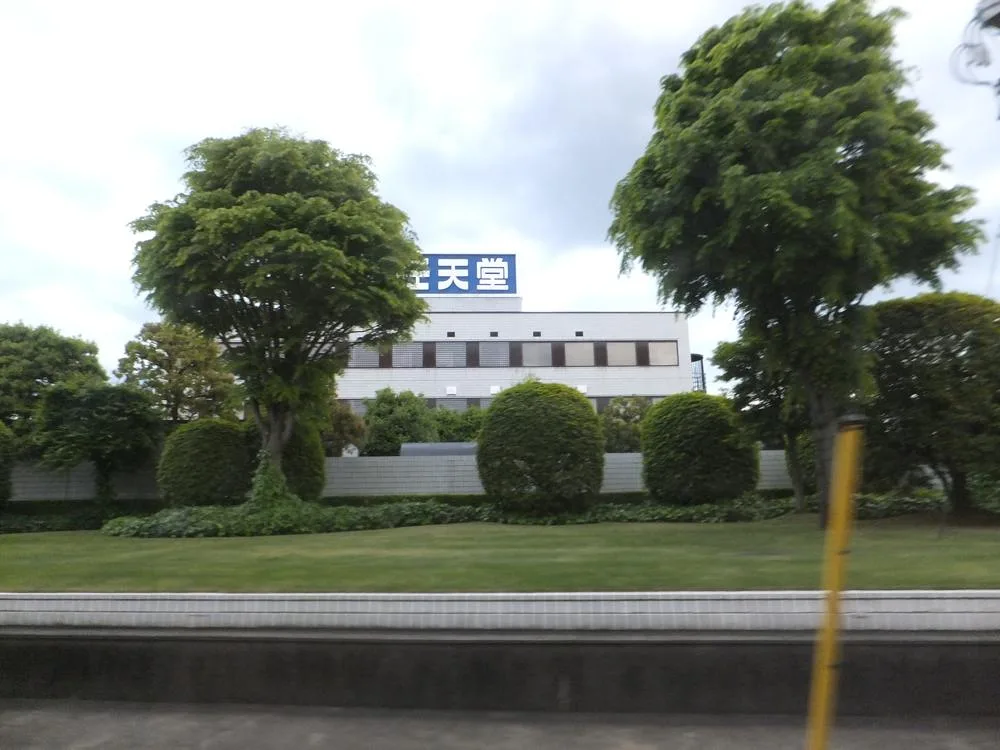
The company’s timeline also distinguishes Uji Ogura from other facilities in the area. Manufacturing and service functions moved between sites before the museum opened. That distinction matters when looking at archival factory photographs: not every Nintendo building in Uji is the building visitors now enter. The separate Uji factory shown below belongs to that wider industrial setting.
The museum is another route beyond the console, alongside the screen partnerships examined in our feature on Nintendo’s film business. A film takes a fictional world to an audience through a screen. A museum asks that audience to travel to a location, spend time there and engage with objects and activities.
The practical difference is considerable. A museum visit has an entry date, a limited period in the building and a route through shared spaces. An old controller becomes something to examine in person, while a familiar design can connect visitors’ own memories with the company’s account of its development.

The exhibits invite people to do more than look
The official exhibition guide places product displays on the second floor of Exhibition Building 1, with interactive experiences downstairs. It also identifies an art gallery, opened in September 2025, featuring character artwork and selected development materials. These areas offer different ways to encounter the history: objects, visual development and play.
Big Controller is one of the clearest examples of turning a familiar product into an attraction. Nintendo describes giant versions of controllers from earlier hardware generations, with two people working together on game challenges. The scale changes the interaction: an object designed for individual hands becomes something players have to coordinate around.
The museum also offers a Hanafuda workshop in which visitors make playing cards and learn the rules. It requires a reservation on the day and a separate fee. That makes it a distinct activity within the visit, with its own capacity and participation requirements, rather than something every admission ticket automatically guarantees.
Objects can acquire another meaning when an audience sees them in person, a connection explored in our account of Rhett and Link’s show and museum props. Nintendo’s case draws on a much longer product history, but the basic appeal is recognisable: a familiar world gains a setting beyond the medium where someone first encountered it.
The digital coins define what admission includes
Nintendo says each visitor’s play ticket is loaded with ten digital coins for interactive exhibits. Different experiences require different amounts, and additional coins cannot be purchased. The coins are valid only on the visit date. This is a defined allowance within admission, rather than an open-ended arcade balance.
That structure asks visitors to choose how to spend their allowance. Someone may try several different activities or repeat a favourite while the balance permits. The guide explicitly says ten coins will not cover every interactive exhibit. For a visitor deciding whether to book, that is a material part of understanding the experience on offer.
The ticketing site lists standard adult admission at 3,300 yen including tax at the time of this review. Entry is tied to a named visitor and a particular date and time. Tickets are offered through a drawing first, followed by sales according to availability, with identity checks on arrival and resale prohibited.
The shop is part of the visit
The museum’s shop, Bonus Stage, carries official merchandise and museum-exclusive items. Its information page identifies NOMURA MEDIAS as the operator and says access is limited to museum ticket holders. It also warns that purchase limits and unavailable stock can apply. The shop is connected to admission, rather than operating as an unrestricted public storefront.
For anyone considering a trip, our museum-visit planning guide explains why choosing priorities beforehand can help. Here, the same principle applies to interactive coins, workshop availability and shopping. Checking what admission includes is more useful than assuming every activity or souvenir will be available when you arrive.
Admission, a separately priced workshop and retail purchases are different transactions. The public pages explain those offers but do not provide the museum’s profit margin or the value of individual merchandise agreements. It would be misleading to treat a ticket price as profit or infer commercial success simply from the existence of a drawing system.
What the museum does demonstrate is a way to make product history part of an entertainment offer. Old designs provide the material; displays and activities organise the visit; admission and optional purchases define the customer transaction. For Nintendo followers, that creates another way to encounter the company, with familiar objects inviting a fresh kind of participation.
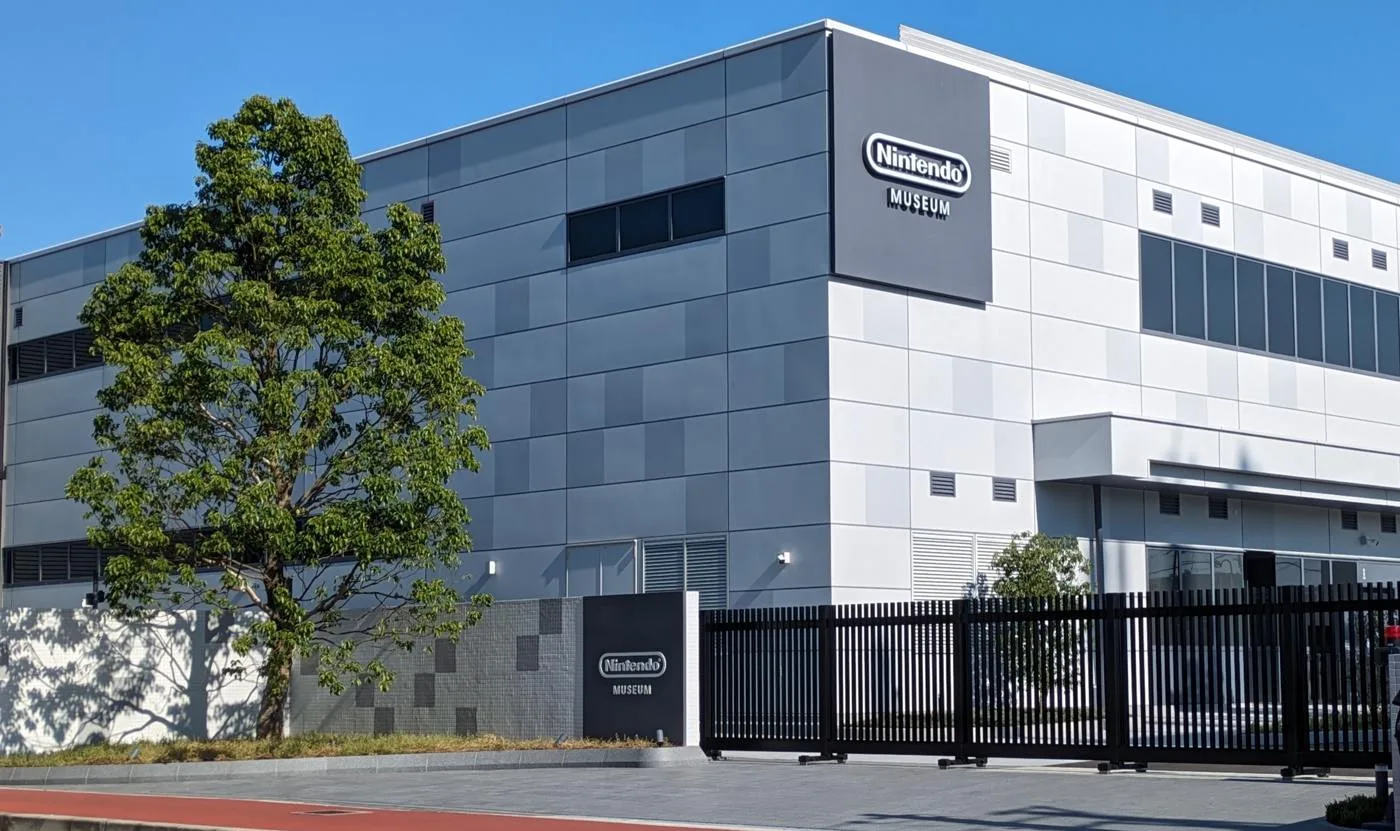
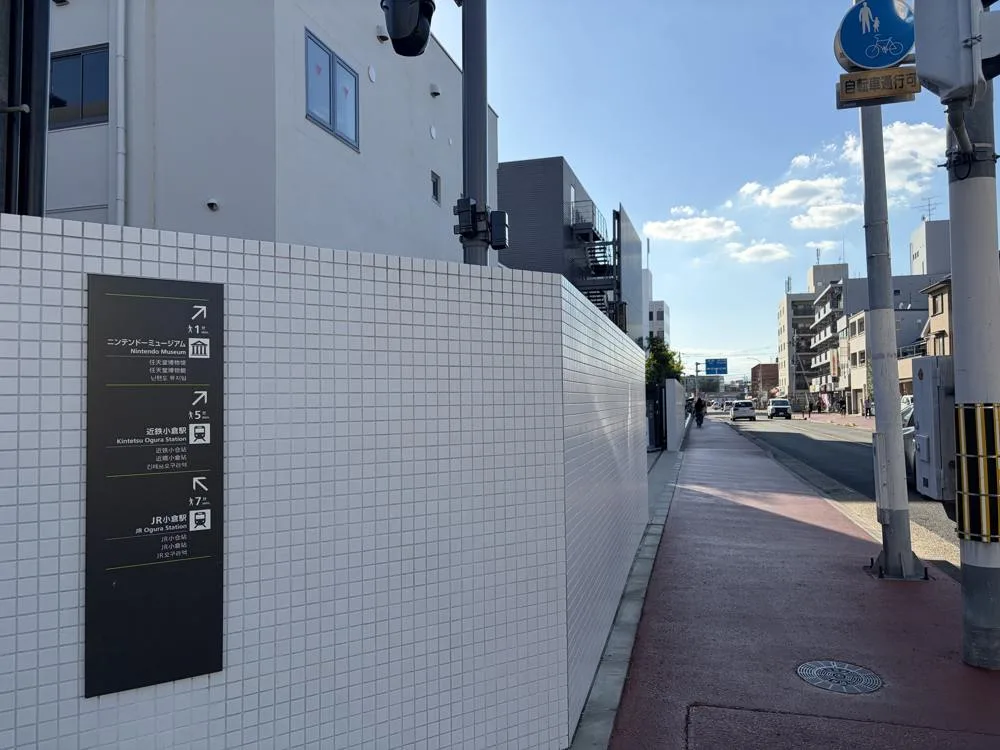
Featured archival photograph: Nagomijirap / Wikimedia Commons, June 5, 2024. Nintendo Museum exterior before its opening later that year. CC BY-SA 4.0 (https://creativecommons.org/licenses/by-sa/4.0/). Resized under the same license.


Isiagu Tobby
Wowplus editorial contributor.