



Table of contents
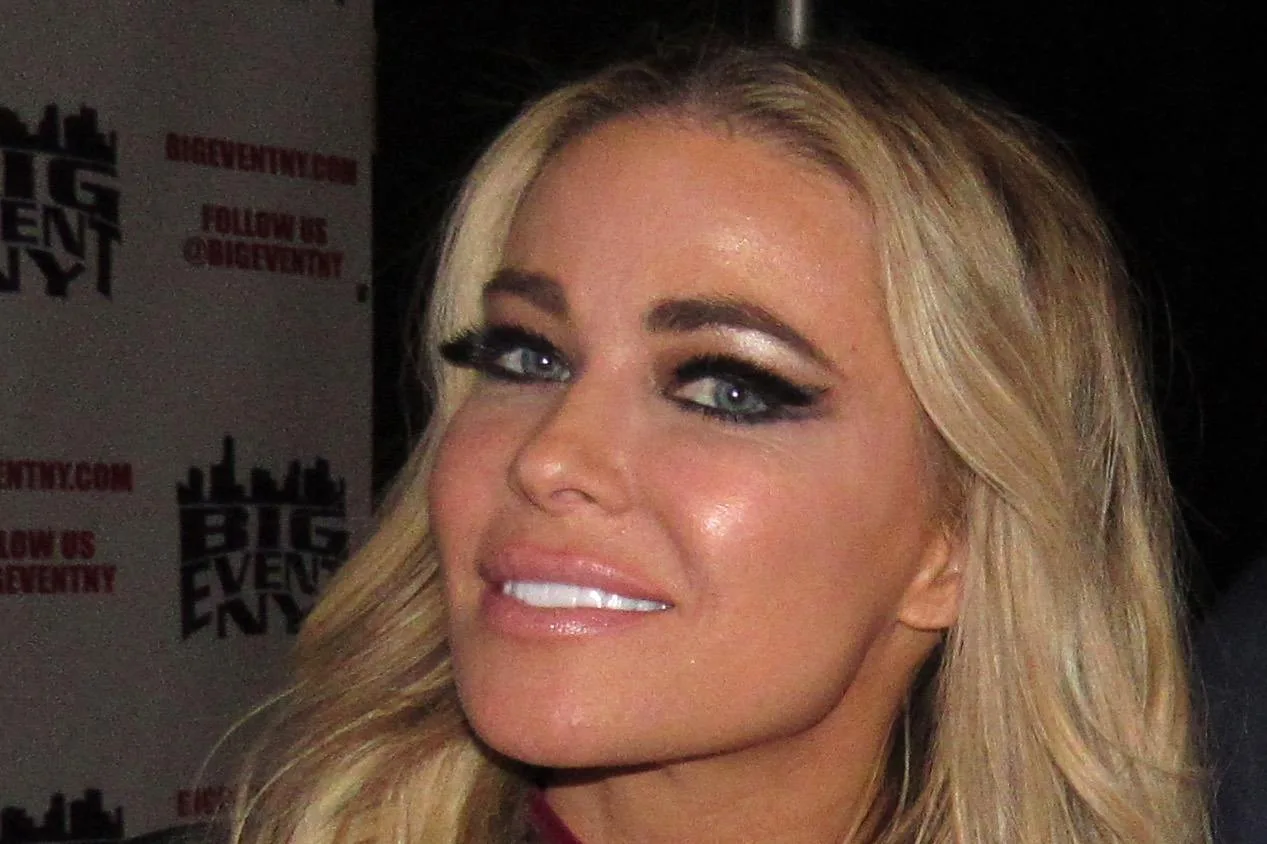
Carmen Electra at 54 offers a useful case study in how a model’s public identity travels between entertainment, advertising and a direct relationship with fans. Her career cannot be explained by a single platform. The more interesting thread is how familiar images gain new uses, and how much say the person in them has over the process.
Her 2026 return to Playboy drew renewed coverage, including an August Fox News interview. That recent attention makes it worth looking beyond the word comeback. An established performer can return to a familiar publication while also having a much longer history of professional shoots, commercial collaborations and decisions about controlling her image.
Our earlier Carmen Electra career profile explored the broad question of what happened after her best-known television years. This time the focus is narrower: what her own interviews and documented campaigns reveal about the relationship between modelling experience, nostalgia and creative choice.
Carmen Electra at 54: experience behind the photograph
One revealing account predates her creator-platform work by years. In a December 2015 interview with W magazine, Electra recalled her first professional photo shoot after Prince signed her to his Paisley Park label. She described encountering a full hair, makeup and styling team and feeling nervous before becoming comfortable with the experience.
That recollection matters because a recognisable image is usually a collaborative production. Electra remembered Prince having one photograph enlarged and displayed at Paisley Park. It was an early example of a performance career being expressed through a still image, with other people’s creative decisions surrounding the person in front of the camera.
The same interview also showed that she had her own opinions about the results. She discussed disliking excessive contouring and recalled a period when others wanted to tone down her use of lashes. These are small details, but they make the question of image control concrete rather than abstract.


Those comments came during a fragrance launch in 2015. They describe her perspective at that point in her career, not a new product announcement today. Taken together, they show an experienced subject thinking about styling choices and how the finished photograph represents her.
Why a 2023 campaign brought the 1990s back
SKIMS put that established recognition to work in July 2023, casting Electra alongside Jenny McCarthy for a summer swim campaign. The brand explicitly drew on their status as 1990s pop-culture figures and their shared entertainment history. The idea depended on audiences recognising the women, rather than introducing unknown faces.
In comments released with the campaign, Electra described being pleased to reunite with McCarthy and praised the encouragement she brought to the set. McCarthy likewise recalled the energy of working together and the feeling of returning to an earlier era. Their public remarks made the collaboration part of the campaign’s appeal.
There is a related theme in Denise Richards’ television and creator-business career: an audience formed in one medium does not necessarily stay there. A familiar performer can bring that recognition to another project, although each new job still has its own brief, collaborators and commercial terms.
The SKIMS example is useful because the dates and purpose are clear. It was a 2023 advertising campaign built around nostalgia and modelling, with both women participating in its public presentation. It should not be described as a newly launched October 2026 partnership, nor does its visibility establish what either model was paid.
What she said about joining OnlyFans
When Electra joined OnlyFans in 2022, the explanation she gave People centred on making her own creative decisions. As reported by CNN Chile, she welcomed the opportunity to direct what she shared with supporters, without someone else continually telling her what to change.


That account placed the launch around her fiftieth birthday and referred to a birthday trip to Palm Springs. The point for a career profile is the timing and the reason she offered publicly. Her explanation connected the move to an established concern about having a voice in how her image is produced and presented.
She also spoke about the importance of standing up for oneself and being honest about one’s identity. Those comments describe her stated motivation. They do not provide an independently verified account of subscriber numbers, revenue or the terms of her current business arrangements.
The distinction is useful when celebrity platform stories become dominated by estimates. A public launch and an interview can establish that a person chose a new channel and explained why. They cannot, by themselves, establish an earnings total or prove that one commercial route has replaced every other part of that person’s career.
Screen nostalgia runs alongside modelling
Electra reprised Roxanne in Good Burger 2, discussing the return with Rolling Stone in December 2023. That is another example of an older screen identity receiving a new setting, alongside the advertising and creator work attracting attention during the same period.
Paramount’s announcement of the sequel explained the wider premise: Kenan Thompson and Kel Mitchell would reunite as Dexter Reed and Ed, returning the original comedy’s familiar partnership to a fast-food restaurant story for another generation. That context helps explain why returning characters had value beyond a brief celebrity appearance.
As with Jaime Pressly’s move into direct fan access, the useful career question is how new work sits beside an existing body of performances. Joining a platform does not erase earlier roles, and returning to a character does not explain every current business decision.
For Electra, a campaign built around recognisable 1990s personalities and a sequel drawing on a familiar comedy demonstrate two different uses of nostalgia. One sells a contemporary brand idea. The other reconnects viewers with a fictional world. Neither needs to be treated as evidence that a performer has become frozen in an earlier decade.
Creative choice and commercial results are different questions
In a 2022 TIME interview, then OnlyFans chief executive Ami Gan discussed celebrity arrivals, including Electra, while describing the company’s broader ambitions for creators. That was the platform’s corporate perspective at the time. It helps explain the attention a well-known name could bring to the service, while remaining distinct from the individual performer’s account of why she joined.
The two perspectives are related but not interchangeable. A company wants recognisable participants and an audience. A creator may want control over production, presentation and communication. Whether those interests align in a particular arrangement depends on its actual terms, which a public profile should not pretend to know.
Electra’s own dated interviews offer a more grounded way to follow the career. They show a progression from learning how a professional shoot works, to expressing strong preferences about styling, to explaining why direct creative decisions appealed to her. Advertising and screen projects provide additional, documented parts of that picture.
Her latest visibility is therefore best understood within a longer working life. Modelling experience, familiar screen roles and a creator business can coexist. What makes the story worth following is how she chooses among those opportunities, while the reporting keeps dates clear and separates her public statements from speculation about private commercial results.


Isiagu Tobby
Wowplus editorial contributor.