



Table of contents
Planning a board game night starts with the people coming, the time they have and a game everyone can join. A familiar box on a clear table can be enough. The useful preparation happens before the first turn, when the host checks the rules, the pieces and what guests actually want to play.
Decide whether the evening is a short catch-up with a game in the middle or a longer session centred on playing. Put an arrival time and an approximate finish in the invitation. Someone catching the last bus should be able to enjoy the evening without discovering halfway through that the main game has barely begun.
Choose for the group you have
Check the player range printed on the exact edition you own. For example, Days of Wonder lists the original Ticket to Ride for two to five players, ages eight and above, with an estimated playing time of 30 to 60 minutes. A familiar title does not mean every version or expansion has the same requirements.
Ask guests whether they prefer word games, puzzles, negotiation or a straightforward race to the finish. Offer two suitable choices rather than emptying the whole cupboard onto the table. If one person knows a complicated game well and everyone else is new, decide whether the group wants a teaching session before committing to it.
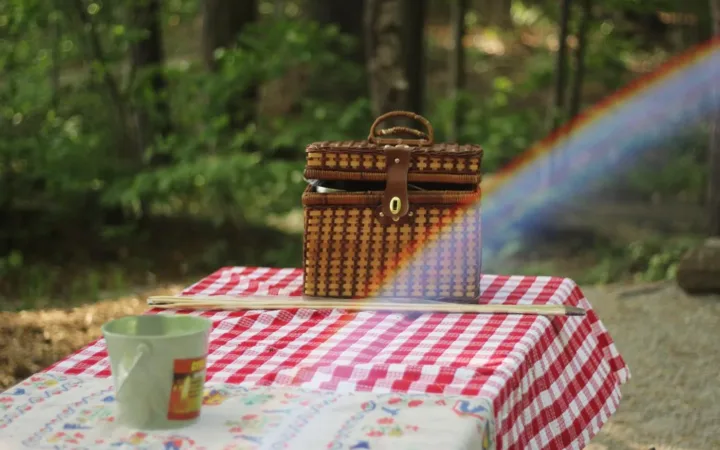
Practical questions about guests also belong in our picnic-planning guide. For an evening indoors, ask about food preferences and access needs early enough to do something useful with the answers. Keep refreshments simple, and make bringing a contribution an option rather than the price of joining in.
Begin with games already available to the group. Ask whether someone can bring a complete copy they know how to explain. A borrowed game can help you discover what people enjoy before buying anything. Check that the box contains the necessary cards, counters and instructions, and agree who will return it afterwards.

Make the table usable for everyone
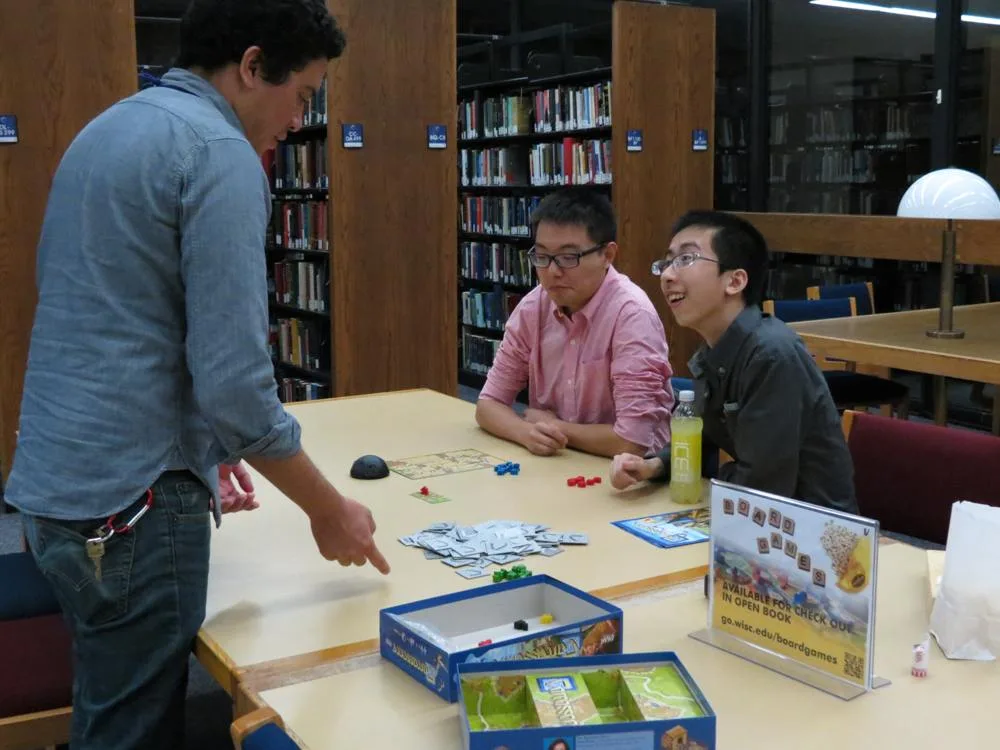
Lay out the board before guests arrive to see how much room it really needs. Leave space for cards held in front of players, individual pieces and score sheets. Sit in the furthest seat and check whether the important details are readable. Move drinks to a separate surface when possible so a reaching arm does not have to pass over the game.
Accessibility depends on the player and the particular game. RNIB describes options including tactile board games and giant, jumbo or Braille playing cards. Ask a guest what helps them participate; do not assume brighter colours or a larger board will meet every need. Check the chosen version together when an adaptation matters.
Avoid building the evening around background noise that competes with the explanation. Keep instructions available to consult, allow time to read cards, and say whose turn it is when that is helpful. If the game relies on colour, tiny symbols or quick reactions, discuss whether another choice would make the evening more comfortable for the group.
Sharing responsibility can make a gathering easier to run, a theme in our guide to a first book-club meeting. One person can explain the game while another welcomes arrivals or handles refreshments. The host does not have to manage every task and every turn at the same time.
Explain the goal before the exceptions
Read the current rulebook before the evening and set up a small example for yourself. When teaching, begin with the objective, what a player does on a turn and how the game ends. Show the relevant pieces as you explain them. A visible demonstration is often easier to follow than a long list of terms without context.
Explain important scoring rules before anyone makes a decision affected by them. Leave less common exceptions until they become relevant, while keeping the rulebook within reach. If the group wants a practice round, agree that it is practice before starting. Reset the position clearly so everyone knows when the actual game begins.
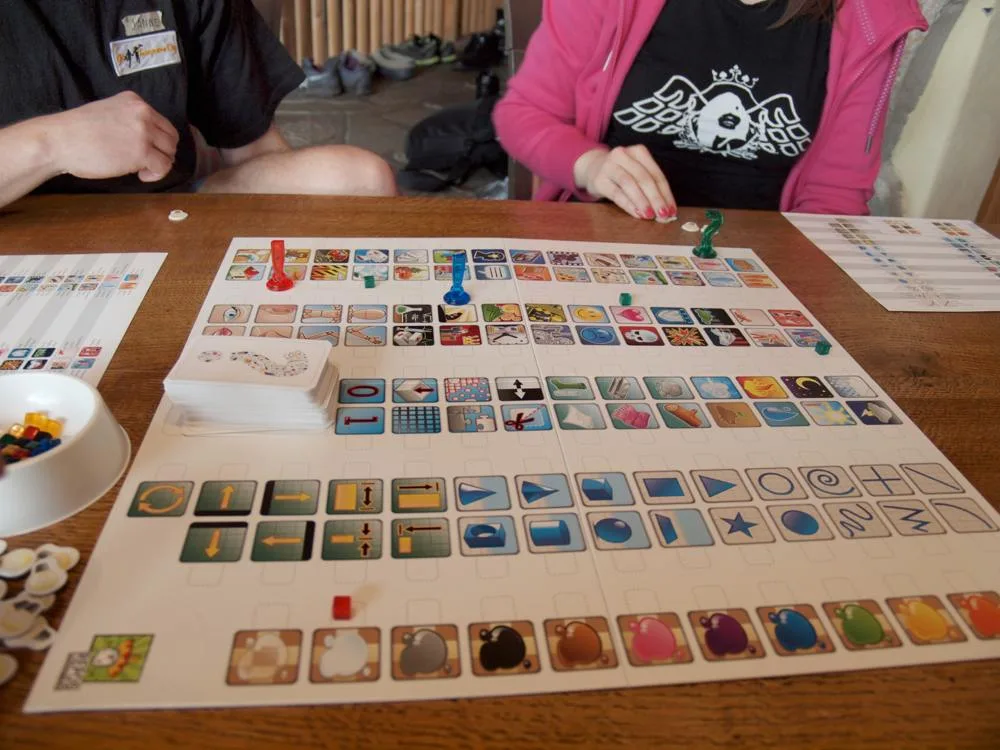
Check any remembered house rules against the instructions. Hasbro’s longstanding family-game-night advice stresses choosing for the ages and number of people playing; that remains a useful starting question. Once a game is chosen, agree any optional variants together. A surprise rule introduced after someone takes a turn can make an otherwise friendly contest frustrating.
Leave room to pause or change direction
Choose a game that can finish comfortably within the time available, allowing extra room for explanation and breaks. The estimate on a box is a planning aid, rather than a promise about a group learning for the first time. Before opening another long game, ask whether everyone still wants to continue and can stay for it.
If the group would prefer to watch something after a shorter session, our Halloween movie-night guide offers a seasonal alternative. Agree the change together instead of treating the planned games as an obligation. An evening can still work well when the activity changes after the first round.
Give each player space to make their own decisions. Offer help when asked, and distinguish explaining a legal move from choosing someone’s strategy for them. In a cooperative game, a more experienced player can explain possibilities without directing every turn. If competitive play is making the evening uncomfortable, pause and discuss a different game or activity.
Pack away so the next game can start easily
Count components against the contents list and check under chairs before closing the box. Keep cards, counters and any borrowed accessories with the right game. Note a missing piece while everyone still remembers what happened, rather than discovering it at the next gathering. Let the owner know if anything needs attention before returning a borrowed copy.
Finally, ask what people would like to play again. A short message with a possible date is enough to test interest in another evening. Keep the games that worked, change the parts that felt awkward and give a different person a chance to choose. The aim is a gathering people want to return to, with a game that gives them a reason to sit down together.
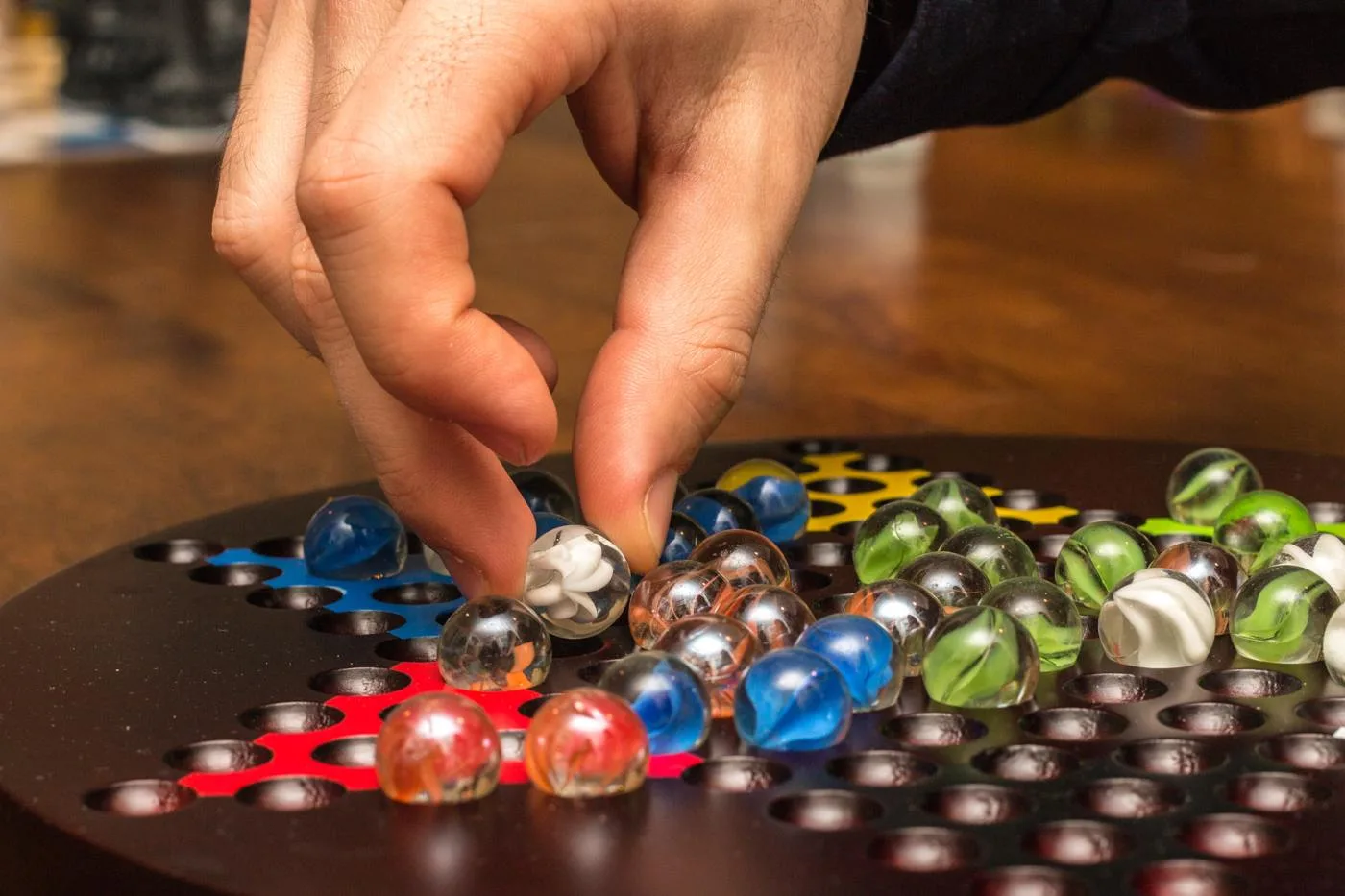
Featured illustrative archival photograph: Tim Sackton / Wikimedia Commons, January 24, 2016. Chinese checkers during a family game night. CC BY-SA 2.0 (https://creativecommons.org/licenses/by-sa/2.0/). Resized under the same license.


Isiagu Tobby
Wowplus editorial contributor.