



Table of contents
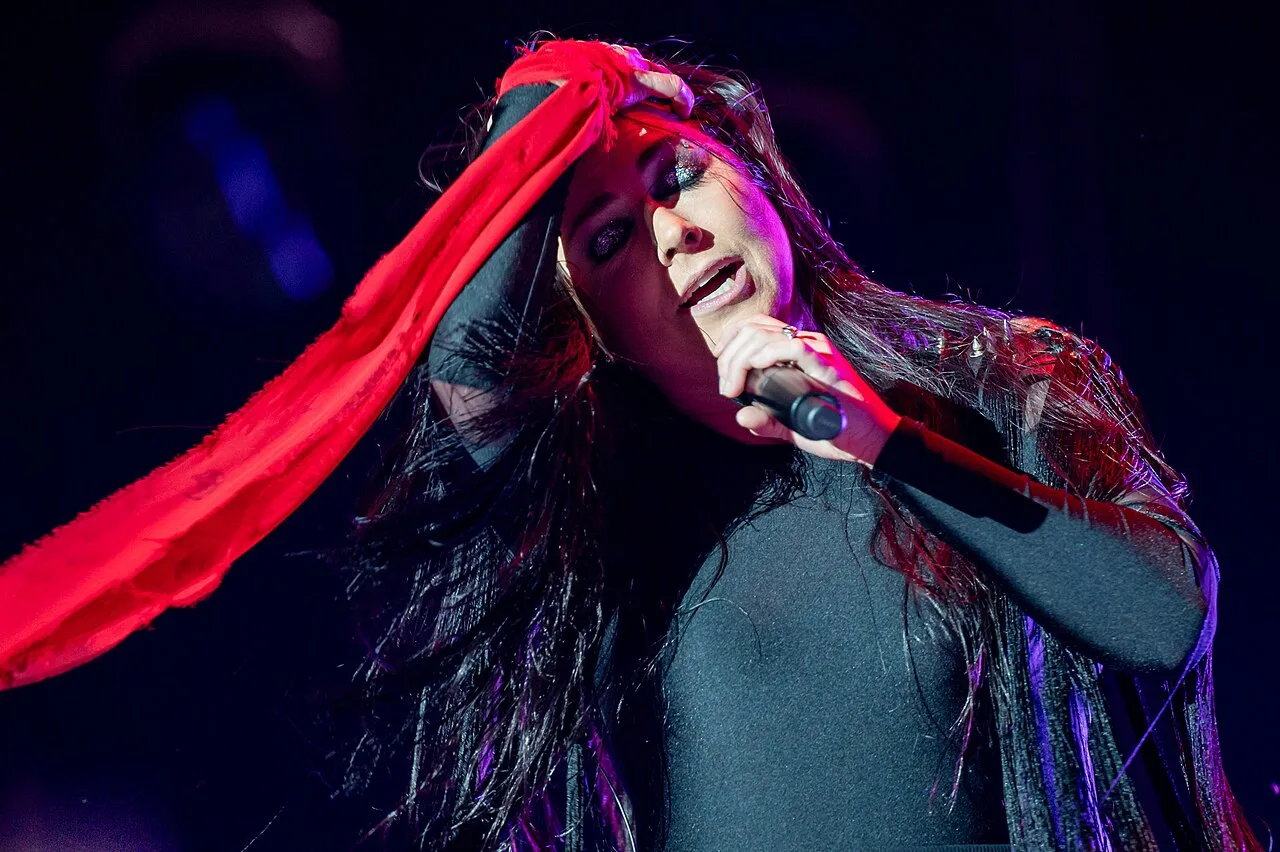
Amy Lee Sanctuary album era finds the Evanescence singer revisiting the emotional honesty that made the band famous while applying it to a very different stage of her life. More than two decades after “Bring Me to Life” introduced her voice to a global audience, Lee says the new music is shaped by healing, anger, dreams and a refusal to stay quiet about what she sees happening around her.
In a new reader interview, Guardian reported that Lee sees Sanctuary as a record balancing personal reflection with a wider sense of urgency. She also looked back at the experiences behind Evanescence’s breakthrough years, discussed the artists who shaped her voice and explained why she now expects to keep making music much longer than she once imagined.
Lee’s career has always depended on contrast. Evanescence built heavy guitars around piano melodies, orchestral textures and a voice capable of moving from restraint to full force. That combination made the band difficult to place neatly inside one rock category, and it is still central to the way Lee approaches new work.
Longevity creates a different challenge from breakthrough success. Wowplus recently examined how veteran rock musicians maintain an identity across decades. Lee faces the same basic question from another angle: how do you respect the songs people have carried for years without being trapped inside the emotions and expectations of your younger self?
Bring Me to Life means something different to Amy Lee now
Lee wrote “Bring Me to Life” when she was 19, during a period she now describes as emotionally difficult. She has said the song was partly connected to recognizing an abusive relationship and asking herself what she was going to do about it. At the same time, she was developing feelings for the man who would later become her husband.
That history changes the meaning of performing the song more than 20 years later. What once came from uncertainty can now feel like proof that the younger Lee found a way forward. She has described feeling proud of the teenager who turned confusion into a song that still fills large venues.
The survival of that track is useful context for Sanctuary. Evanescence does not need to recreate 2003 to sound emotionally recognizable. The consistent element is Lee’s willingness to write from whatever is difficult to ignore at the time.


Other long-running rock acts have found different ways to reconnect with formative eras. Wowplus recently covered Green Day turning memories of its early years into a new film project. Lee’s approach is less nostalgic. She is using old songs as evidence of growth while continuing to write from her present life.
Sanctuary mixes private healing with public anger
Lee has described the new album as a place where reflection and frustration can exist together. Music has always been an outlet for what she feels personally, but she now sees some of the world’s larger crises as impossible to separate from ordinary human emotion.
That does not mean Evanescence has become a political lecture set to guitars. Lee’s point is more basic: subjects involving violence, suffering and injustice eventually become personal when artists are deciding what they can honestly sing about. She has said she is less willing than before to let discomfort convince her to stay silent.
That shift can be heard as part of growing older in public. Young artists are often told to protect a marketable image, especially when their audience crosses countries and political cultures. A performer with an established career may feel more able to risk disagreement because the identity of the work is already clear.
For Lee, the result is still filtered through melody and atmosphere rather than slogans. The emotional tension that has always powered Evanescence gives anger somewhere musical to go, while quieter moments create room for grief and recovery.
Portishead still explains part of Lee’s musical DNA
One of the clearest parts of the interview is Lee’s enthusiasm for Portishead. She named Beth Gibbons as a major vocal influence and said she could happily make an entire album of Portishead covers. That admiration helps explain why Evanescence has often sounded different from straightforward hard rock.
Gibbons is known for performances that can feel fragile and controlled at the same time. Lee was drawn to that tension as a teenager, along with the darker atmosphere of 1990s trip-hop. Those influences sit underneath the more obvious metal and classical elements people often associate with Evanescence.

Lee has covered Portishead material before, so the connection is not new. What is interesting is how clearly she still identifies that music as part of her foundation. Artists can change production styles and collaborators while keeping the emotional lessons learned from the records that first taught them what a voice could do.
Dreams remain another source of ideas. Lee has spoken about waking with musical fragments or emotional impressions that later become songs. That instinctive process stands in contrast to the increasingly data-driven side of the modern music industry, where streaming numbers can influence what artists release and when.
Amy Lee no longer sees a reason to stop
Perhaps the biggest change is not musical at all. Lee once wondered whether she would want to keep performing as she got older. She now talks about a much longer creative future, saying she can imagine continuing to make music well beyond the stage of life she once considered a natural stopping point.
That confidence comes after years of learning what parts of the industry matter to her. Evanescence’s original rise was enormous and sudden, creating expectations that could easily have turned every later album into a comparison with one blockbuster period. The band survived by allowing longer gaps, different lineups and changing sounds rather than trying to live permanently inside its debut era.
Sanctuary continues that pattern. The album’s vinyl release is set for September 4, with touring giving the songs a second life in front of audiences who may include both longtime fans and people who discovered the band years after its breakthrough.
Amy Lee Sanctuary album era therefore feels less like a comeback than a statement of continuity. She is still writing about darkness, but the perspective has changed. The teenager who once asked herself how to escape a painful situation is now an established artist deciding what she wants to say with the freedom of having survived it.


Isiagu Tobby
Wowplus editorial contributor.