


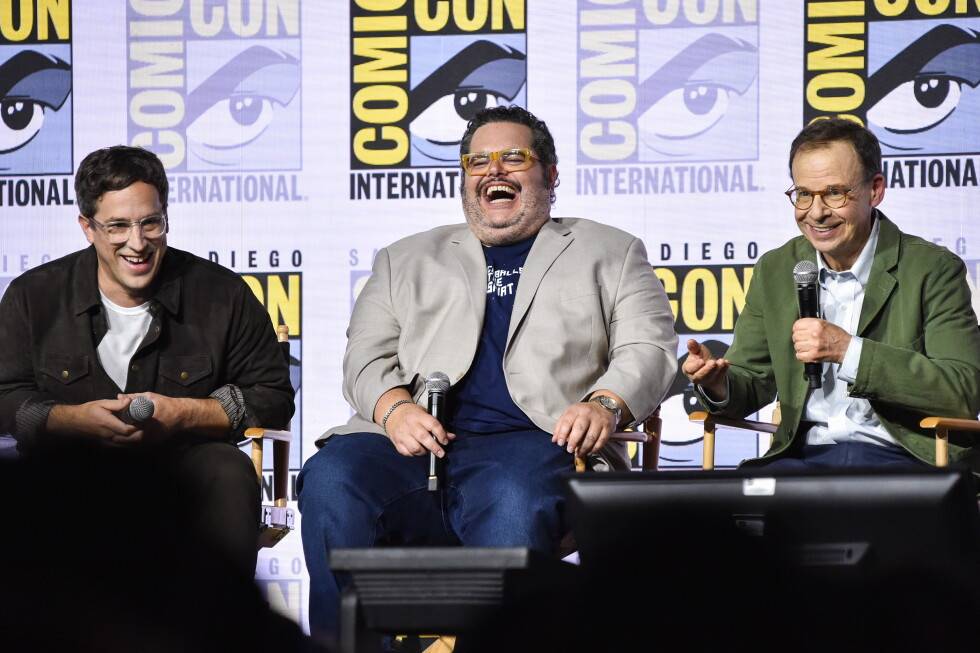
Rick Moranis acting return has given Spaceballs: The New One a story that reaches beyond another familiar title coming back to cinemas.
The Canadian actor stepped away from most screen work in the 1990s after the death of his wife, choosing to focus on raising his children. His decision was unusual in an industry that often treats visibility as the only path to relevance. Nearly three decades later, Moranis has returned to the role of Dark Helmet, the oversized villain he first played in Mel Brooks’ 1987 science-fiction parody Spaceballs.
Speaking during the film’s Comic-Con presentation, Moranis described the experience of acting again as strange but increasingly enjoyable. He looked around the set and saw original co-stars alongside younger performers who were now the age he had been when the first film was made. That contrast made the production feel like a time warp, but it also helped him reconnect with a part of his career that audiences never fully forgot.
Why Rick Moranis left Hollywood on his own terms
Moranis was one of the most recognisable comedy performers of the 1980s and early 1990s. His credits included Ghostbusters, Little Shop of Horrors, Honey, I Shrunk the Kids, Parenthood and The Flintstones. He rarely played the conventional leading man. Instead, he built memorable characters from nervous energy, precise timing and a willingness to look ridiculous without losing the character’s humanity.
Family became more important than keeping momentum
After his wife, costume designer Ann Belsky, died in 1991, Moranis became the primary parent to their two children. He gradually reduced his workload before largely leaving live-action acting. He later explained that the demands of location filming did not fit the life he wanted to build at home.
That choice was sometimes described as a retirement, but Moranis continued to work selectively. He recorded voice roles, released comedy music and occasionally appeared in projects that suited his schedule. What he rejected was the assumption that a successful actor had to remain constantly present.
His absence created a different kind of fame. Moranis did not disappear because audiences lost interest. He left while viewers still associated him with several beloved films. As years passed, that affection grew into curiosity about whether he might ever return.
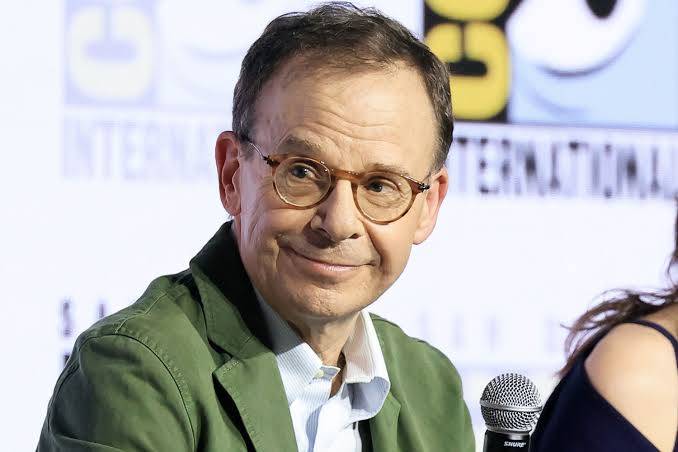

His comeback does not erase the reason he stepped away
Celebrity comeback stories are often framed as a correction, as though time away must have been a mistake. Moranis’ return is more interesting because it does not undermine his earlier decision. His children are adults, his responsibilities have changed and the right project arrived at a stage when he could choose it freely.
That context also explains why he was not interested in returning for just any role. Dark Helmet is tied to a film, cast and style of comedy that helped define his career. Reprising the character offers continuity without requiring him to pretend the past 30 years did not happen.
What made Spaceballs worth returning to
Spaceballs was created as a parody of Star Wars and other science-fiction franchises, but its appeal came from Mel Brooks’ broader approach to comedy. The film mocked merchandising, studio ambition, heroic myths and the pressure to produce sequels. Its jokes were deliberately silly, but many of them remained memorable because they understood how major franchises behave.
Dark Helmet was built around Moranis’ specific style
Dark Helmet worked because Moranis played power and insecurity at the same time. The character wanted to appear terrifying, yet his oversized helmet, impatience and emotional outbursts constantly exposed him. A different performer could imitate the costume, but the rhythm of the character belonged to Moranis.
The sequel brings back Mel Brooks as Yogurt and President Skroob, along with Bill Pullman, Daphne Zuniga and George Wyner. New cast members include Josh Gad, Keke Palmer, Lewis Pullman and Anthony Carrigan. That combination gives the film access to the original chemistry while allowing younger actors to bring a different pace.
Moranis said returning to the costume initially felt surreal. The physical details mattered: the helmet, the familiar co-stars and the recognition that nearly four decades had passed. Instead of hiding that time, the sequel appears ready to make it part of the joke.
The new film has more material to parody
The science-fiction landscape has changed dramatically since 1987. Star Wars expanded into prequels, sequels, streaming series, spin-offs and a global merchandising system. Superhero universes adopted similar strategies, while studios increasingly rely on recognisable intellectual property.
A new Spaceballs film therefore has many more targets than the original. It can joke about cinematic universes, legacy characters, fan theories, digital effects, streaming spin-offs and the complicated language used to announce franchise plans. The challenge will be making those jokes feel like part of a story rather than a list of references.
Why the return carries emotional weight for fans
Moranis’ screen absence made him a symbol of an earlier comedy era, but the public response to him has also been unusually protective. Fans respected that he stepped away for family and generally avoided turning his private life into an ongoing spectacle.
Nostalgia will only carry the sequel so far
The sight of Moranis as Dark Helmet will create an immediate reaction, especially for people who grew up with the original film. Yet nostalgia can become a weakness when a sequel assumes recognition is enough. The new movie still needs a clear comic point of view, strong pacing and characters who work for viewers without a long history with the franchise.
Moranis’ presence may help because he has never appeared desperate to recreate his earlier success. His return feels selective rather than automatic. That gives the performance a sense of occasion while also increasing expectations.
The film is scheduled for theatrical release in April 2027. Until audiences see the finished result, it is too early to know whether the sequel can balance old and new material. What is already clear is that the production has achieved something fans once considered unlikely: Rick Moranis is acting in a major live-action film again.
A comeback shaped by choice rather than pressure
The strongest part of the story is not simply that an actor returned. It is that Moranis controlled both the exit and the comeback. He left at the height of his popularity because his family needed him, maintained a private life without repeatedly teasing a return, and accepted a project connected to people and work he valued.
That makes Spaceballs: The New One more than a standard legacy sequel. For Moranis, it is a carefully chosen return to a character he helped make unforgettable. For audiences, it is a chance to welcome back a performer whose absence became part of his reputation, without pretending that the years away were empty.