Table of contents
Planning a weekend walk starts with a useful question: what kind of outing will fit the day you actually have? A short loop near home, a park visit with friends and a longer countryside route need different amounts of time and preparation. Choose the experience before choosing the distance.
A good route leaves room to enjoy where you are. You should be able to stop, find your way back and change the plan without turning the afternoon into a race. Here is a practical way to organise a walk, from the first map check to the journey home.
If food is part of the outing, decide whether you are carrying a snack or settling down for lunch. Our guide to planning a picnic can help with the second option. Keep the walking route manageable even after you add the extra bag.
Planning a weekend walk around your available time
Work backwards from the time you need to be home. Include travel to the starting point, any parking or ticket arrangements, breaks and the return journey. A route described as a two-hour walk can occupy considerably more of the day once those pieces are included.
Check the route description rather than judging by distance alone. A smooth, level path and a muddy hillside can take very different amounts of effort. Look for information about gradients, steps, surface conditions, shade and access. If walking with someone who needs a step-free route, verify those details with the site operator.
The NPS trip-planning guide recommends matching an outing to the group’s abilities and checking local conditions before departure. That principle works beyond national parks: choose a route everyone can reasonably enjoy, with enough spare time to finish without rushing.

For a group, agree on the plan before setting off. One person may want a long conversation while another expects a brisk workout. Settling that difference at the start is easier than discovering it halfway through the route. A shorter shared walk can be a better choice than an ambitious distance that splits the group.
Check the route, the weather and the way back
Find the starting point and the finish on a reliable map. A circular walk returns to the same place; a point-to-point route may depend on a bus, train, lift or second vehicle. Check the actual timetable and the last useful service. Do not assume transport will run as frequently on a Sunday as on a weekday.
Travel preparation does not have to be elaborate. The useful habit is checking the small arrangements that can interrupt the day, a point also covered in our look at practical vacation tips. For a local walk, that may simply mean confirming opening hours and having the correct entrance address.
Read the local forecast and any notices from the park or land manager. Rain can change the condition of paths, while heat, wind or poor visibility may make a familiar route less comfortable. Check daylight hours too. Choose a return time that allows you to finish the intended walk in suitable conditions.
Have a simpler alternative ready. It might be a shorter loop, an accessible promenade or a sheltered part of the same park. Treat closures and local warnings as part of the route information. A photograph from someone else’s visit does not establish that a path is open today.
On an unfamiliar outdoor route, save the map before leaving reliable reception and understand how to read it. A charged phone is useful, but do not make mobile signal your only navigation plan. The NPS Ten Essentials guidance treats navigation and preparation for changing conditions as basic considerations for outdoor trips.

Carry what the particular walk needs
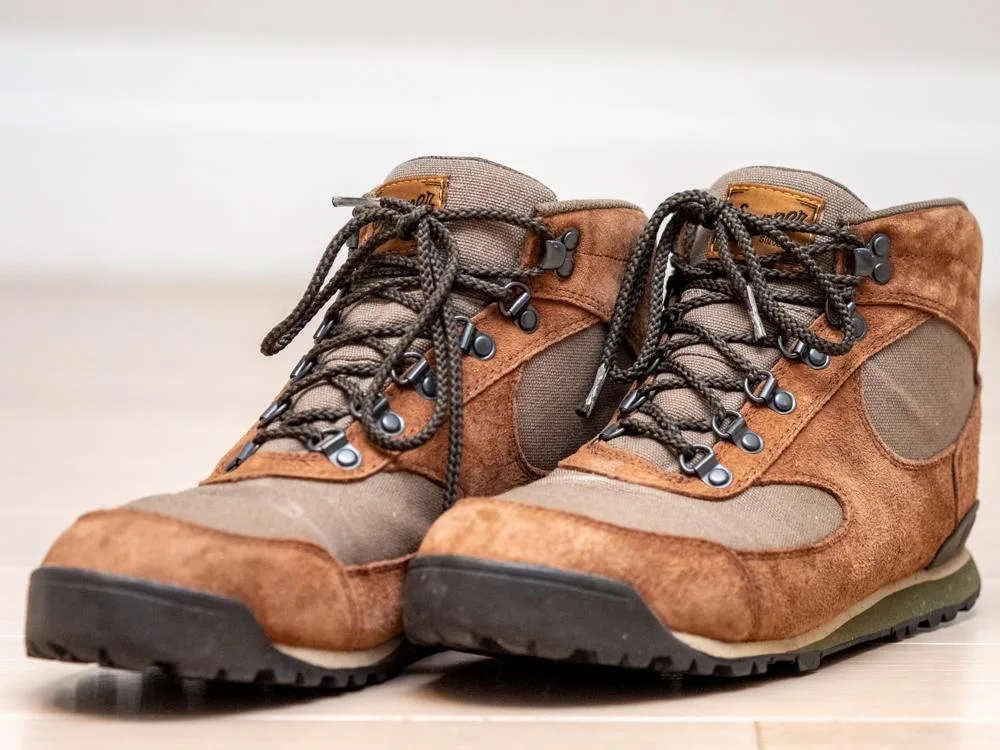
Start with comfortable footwear appropriate to the surface. A maintained urban path does not automatically require specialist hiking equipment; rough or wet terrain may call for something different. Avoid making a long outing the first test of shoes you have never worn. Think about comfort on the return leg as well as at the starting point.
Bring drinking water, a suitable snack and clothing for the expected conditions. Consider the facilities along the route rather than assuming there will be a shop or café. Carry a bag for your rubbish. For a more remote trail, consult the land manager’s equipment guidance and prepare for that setting before choosing the route.
Keep useful items easy to reach. Having the map, a light layer or your water buried beneath everything else makes an ordinary stop unnecessarily awkward. If several people are going, agree who is bringing shared items. Everyone should still know the route and the plan for getting home.
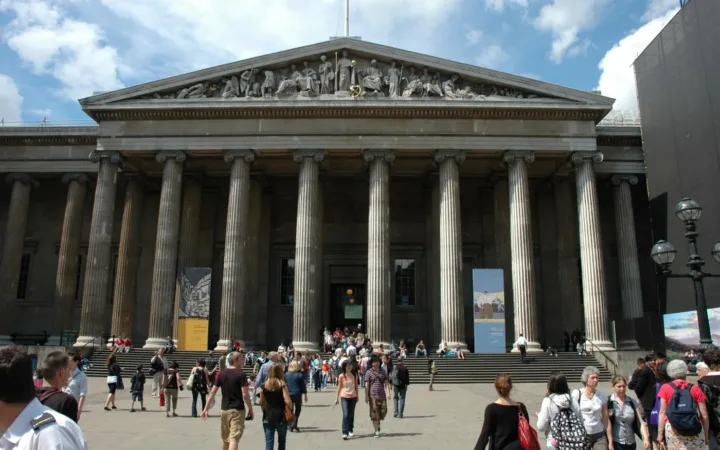
A change of activity can be a sensible response to poor conditions. Our guide to planning a museum visit offers an indoor alternative when available locally. Check its admission arrangements first, just as you would check access to an outdoor destination.
Leave room for a shorter day
Once walking, keep the group together and use the marked route. Guidance from Georgia State Parks emphasises staying on the trail and being willing to turn back. A shortcut across unfamiliar ground can create more problems than it solves. Pause at junctions to make sure everyone knows which way the route continues.
Check your progress against the time available. If breaks take longer than expected, shorten the outing where the mapped route allows it. Reaching a planned viewpoint is less important than having a comfortable journey back. Let the group’s pace, the conditions and the return arrangements guide that decision.
Follow the local rules on litter, wildlife and shared paths. Leave No Trace guidance encourages visitors to reduce their impact and consider other people. Take your waste home, avoid disturbing animals and leave enough space for others to pass. The next visitor should be able to enjoy the place too.
Before heading home, check that everyone has their belongings and that any agreed check-in is complete. Make a brief note of what worked: the route length, a useful stopping point or a transport connection worth using again. The best weekend walk is one that fits well enough that you want to do another.
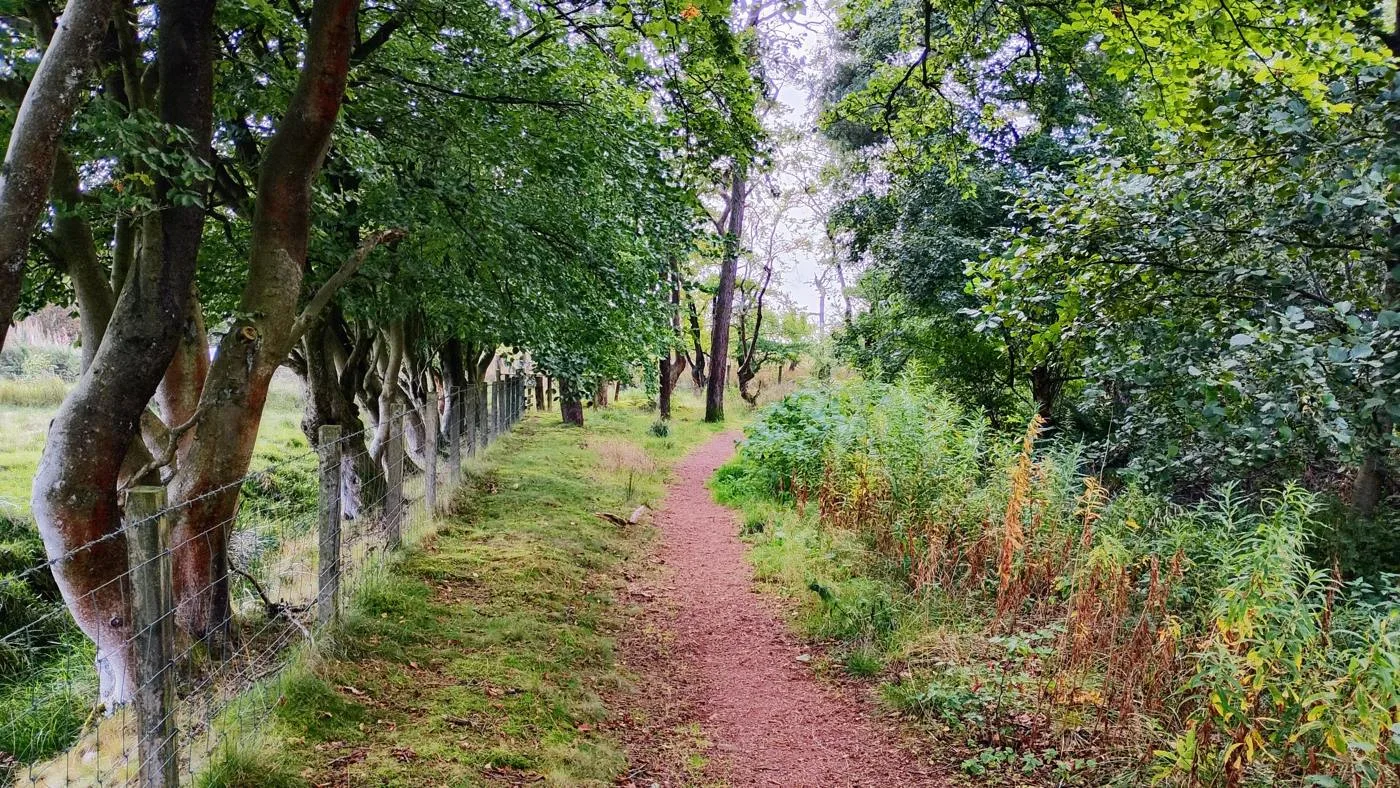
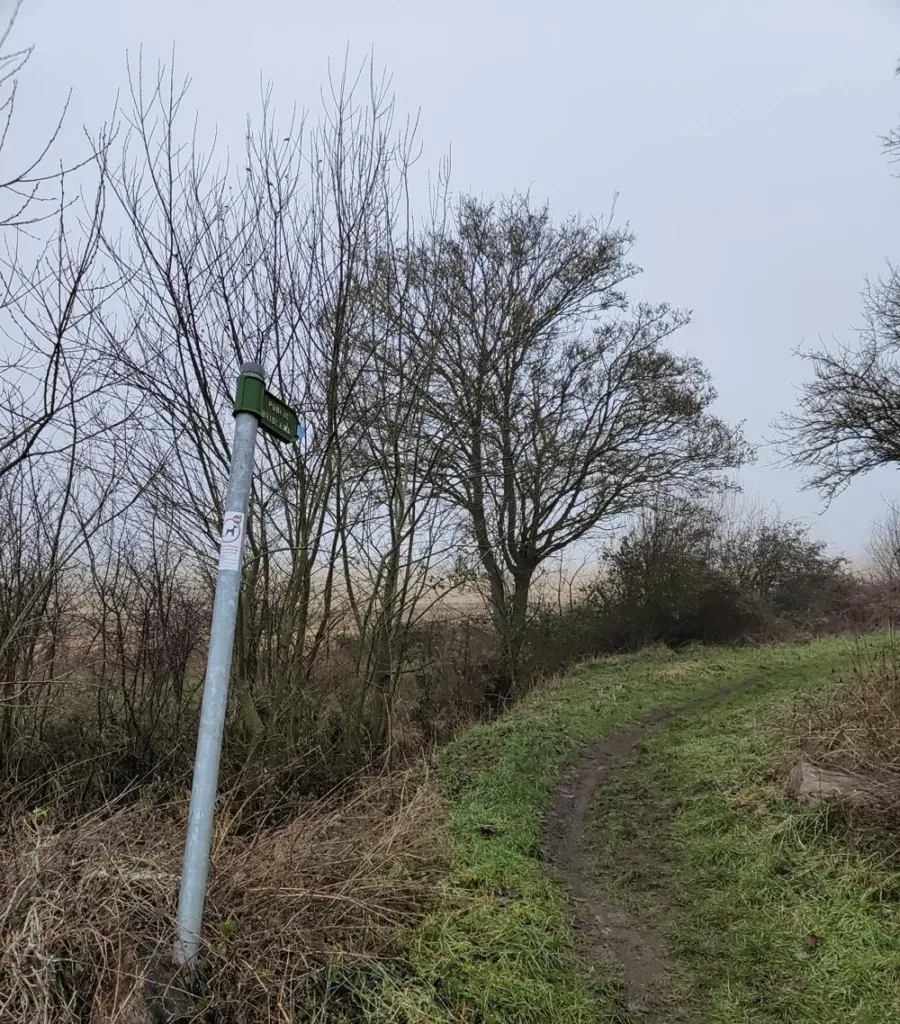
Featured photograph: Jim Smillie / Geograph / Wikimedia Commons. CC BY-SA 2.0 (https://creativecommons.org/licenses/by-sa/2.0/). Cropped and resized.


Isiagu Tobby
Wowplus editorial contributor.