



Table of contents
Gamescom 2026 week ahead is beginning to take shape, with the world’s largest gaming event returning to Cologne from August 26 to 30 and Opening Night Live arriving one day earlier on August 25.
For players watching from home, the most important part is not the exhibition floor itself. It is the sequence of livestreams, premieres and publisher showcases that can turn an ordinary late-August week into one of the industry’s busiest news cycles.
Gamescom’s official schedule confirms that the broader gamescom week runs from August 24 to 30, with Opening Night Live on August 25 and the main public event beginning August 26. That gives fans a clear calendar even before every individual game reveal has been announced.
The event arrives at an interesting point in 2026. Publishers are preparing crowded fall release calendars, major franchises are competing for attention, and the games business is still being reshaped by acquisitions, subscription services and the growing cost of blockbuster development.
August 25: Opening Night Live starts the news cycle
Opening Night Live has become gamescom’s most visible global broadcast. Hosted by Geoff Keighley, the show is built around trailers, gameplay footage, release-date announcements and surprise appearances designed for an audience far larger than the people inside Koelnmesse.
This year’s event begins on August 25. Confirmed material includes another look at major upcoming releases, while publishers are likely to use the show to position games for the final months of 2026 and beyond.
For viewers, that means the first night is usually the easiest single broadcast to follow if they do not want to watch every publisher stream. It provides the broadest overview of what the industry wants people talking about as the week begins.
Wowplus recently examined how Electronic Arts’ private acquisition changed the power structure around one of gaming’s biggest publishers. Gamescom offers a different view of the same industry: not balance sheets and ownership, but the products publishers hope will justify those enormous valuations.
August 26-30: The show floor and publisher streams take over
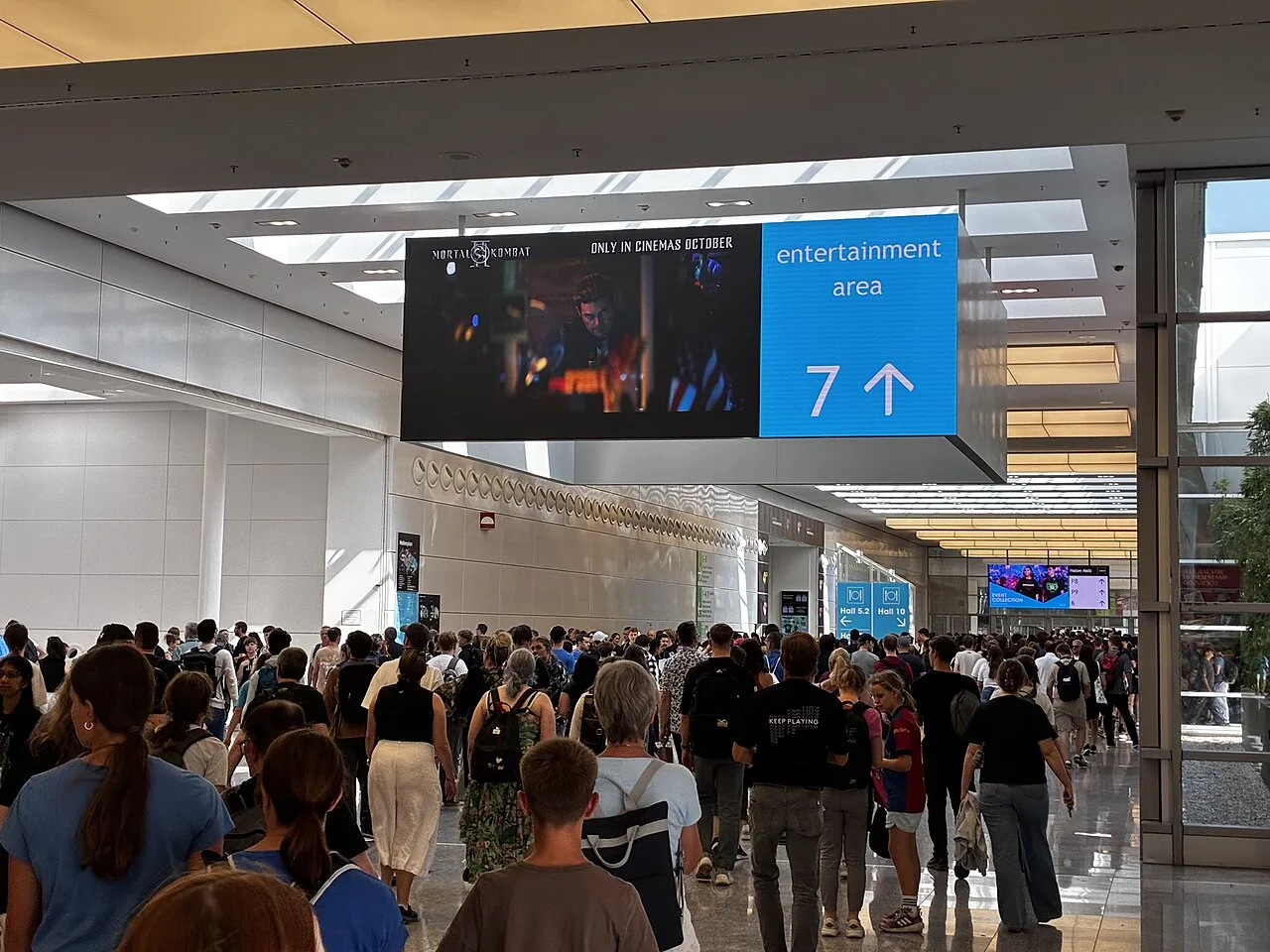
The main gamescom event opens on August 26, first for trade visitors and media before the public days bring larger crowds into the halls. Companies use booths for playable demos, interviews and presentations that often reveal details not shown during the opening broadcast.
Xbox is among the companies expected to run dedicated streams during the event. The Future Games Show will also operate alongside gamescom coverage, adding more trailers and developer interviews to a week that can quickly become difficult to track.
That fragmentation is why a schedule matters. A fan interested mainly in one publisher may ignore the broader broadcasts, while someone looking for new games can treat the week like a festival and sample several showcases.


The event is also increasingly hybrid. People in Cologne get hands-on access, but much of the global audience experiences gamescom through YouTube, Twitch, TikTok and social clips that spread within minutes of an announcement.
Gamescom now competes for attention beyond traditional gamers
Gaming is no longer a niche culture that sits apart from film, television and celebrity news. Major game launches now compete for the same leisure hours as streaming series, while actors, musicians and sports figures increasingly appear inside games or promote them.
Wowplus previously reported on the continuing debate over whether virtual reality can become a mainstream entertainment habit. Gamescom is one of the places where those technology questions become concrete, because hardware makers and developers can put new ideas directly in front of players.
The same applies to esports, streaming and creator culture. Games are watched as much as they are played, and a reveal can become a social-media event before anyone outside the show has touched the product.
That broader culture is one reason gamescom has become useful even for people who do not follow every hardware specification. The biggest announcements often tell a larger story about where entertainment companies think audiences will spend their time next.
The 2026 show arrives during an expensive era for game development
Big games now take years to build and can require budgets that rival major films. That makes public reaction to trailers and demos more important, because publishers need to create confidence long before a game reaches stores.
A strong gamescom showing can build momentum for a release. A confusing presentation can do the opposite, especially when fans immediately compare footage, frame rates and promises across social platforms.
The economics also explain why mergers and layoffs remain part of the background conversation. The industry can produce enormous hits, but the cost of chasing them makes failure increasingly painful.
Wowplus’ earlier look at the rapid growth of video games and esports during the pandemic captured an earlier moment when audience demand was expanding quickly. Six years later, the question is less whether gaming is mainstream and more how companies turn that scale into sustainable businesses.


What viewers should watch for
The easiest way to approach the week is to separate confirmed information from speculation. Gamescom always generates rumors about surprise sequels, release dates and hardware, but not every leak becomes an announcement.
Opening Night Live is the first major checkpoint. After that, publisher broadcasts and show-floor reporting will provide deeper information about games that were only briefly shown during the opener.
Release dates will be especially important. Late 2026 and early 2027 calendars are crowded enough that a shift of a few weeks can change which games compete directly for players’ money and attention.
There is also value in watching smaller announcements. Gamescom gives independent developers access to an audience that would be difficult to reach through a standalone reveal, and some of the week’s most discussed games may not be the titles that entered with the largest marketing budgets.
The Gamescom 2026 week ahead therefore matters because it compresses many parts of gaming culture into a few days: corporate strategy, fan excitement, creator coverage, new technology and the simple question of which games actually look fun to play.
By the time the Cologne halls close on August 30, some fall releases will have stronger momentum, a few surprises will probably have reshaped wish lists, and the industry will have given players a clearer picture of what the next year of gaming is supposed to look like.


Isiagu Tobby
Wowplus editorial contributor.