Table of contents
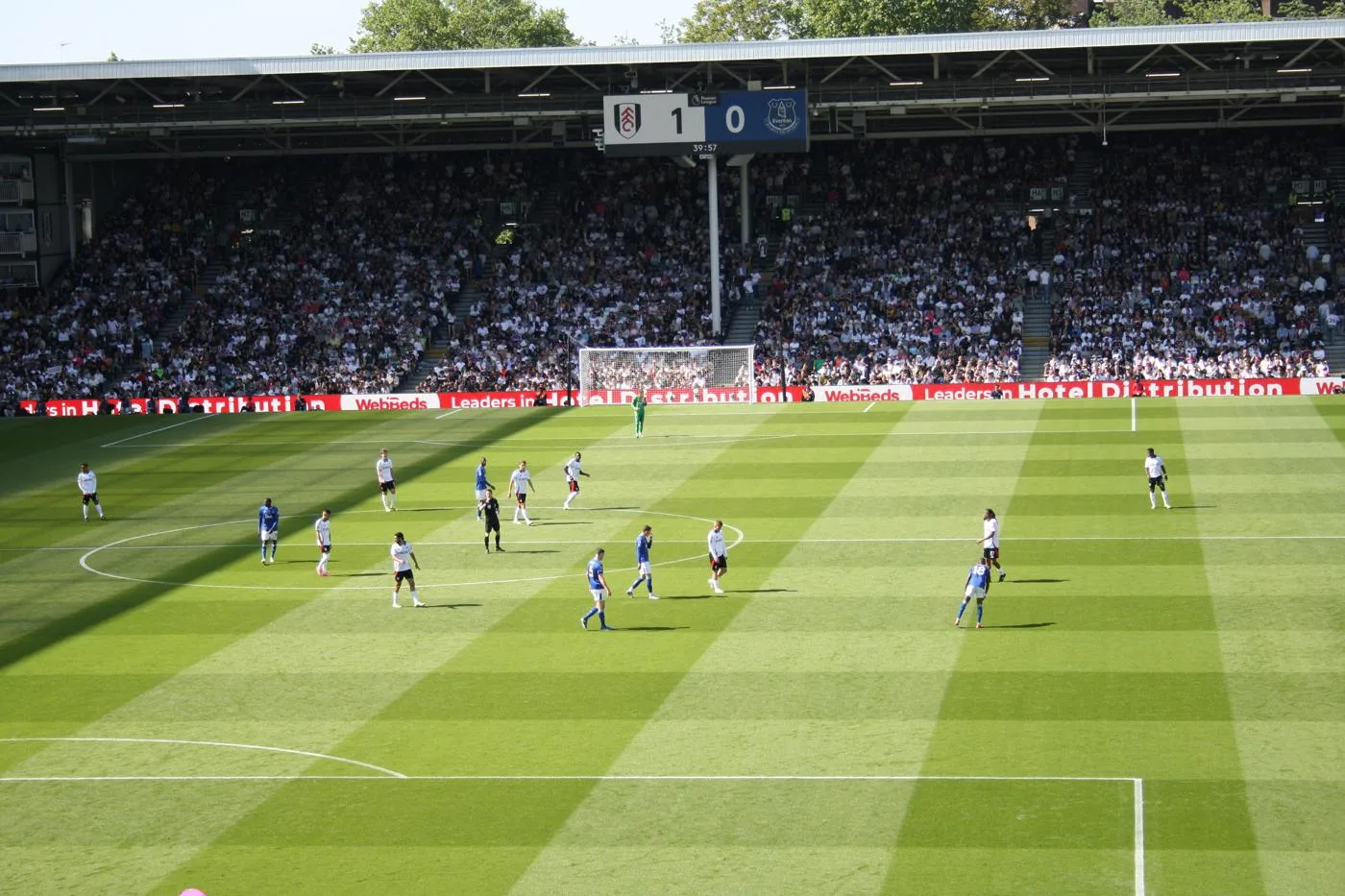
Everton Newcastle cup win celebrations now come with a confirmed next stop: Fleetwood Town. David Moyes’s team beat Newcastle 3-1 at Hill Dickinson Stadium on Thursday 29 October, turning a difficult week into a place in the Carabao Cup quarter-finals. James Garner, Hayden Hackney and Thierno Barry supplied the home goals before Dan Burn’s late reply.
For Hackney, the evening carried a personal milestone alongside the team result. His first Everton goal arrived in a match he had been selected to start, giving supporters a clear example of what the midfielder could add. It was also a reminder that a cup opportunity becomes valuable through what a player does with it, rather than through the team sheet alone.
Everton Newcastle cup win changes the next-round picture
Fleetwood had been a possible opponent before kick-off. The victory makes that meeting Everton’s actual quarter-final assignment. The distinction matters after a week of discussion about who might progress. There is now a result to assess and a specific next stage to prepare for, while Newcastle’s involvement in this season’s competition has ended.
Our Everton-Newcastle preview explained the opportunity before the match. Thursday answered its central question. The home side found enough quality in front of goal to convert a promising route into another cup date. A favourable-looking draw still requires the preceding match to be won, and Everton have completed that first task.
The official Everton report records Garner opening the scoring after pressure from Tyrique George and a contribution from Hackney. Barry then supplied the delivery for Hackney’s finish before half-time. In the second half, Kiernan Dewsbury-Hall helped create Barry’s goal. Those combinations gave the attack several contributors rather than leaving one player to manufacture everything.
Selection gave Hackney a meaningful chance
Moyes made two changes from the team that had started at Arsenal: Hackney and Tyler Dibling came in, with Harrison Armstrong and Brennan Johnson moving to the bench. The club’s pre-match announcement placed Hackney alongside Garner and Dewsbury-Hall in midfield. Dibling and George occupied the wide positions, with Barry leading the attack.

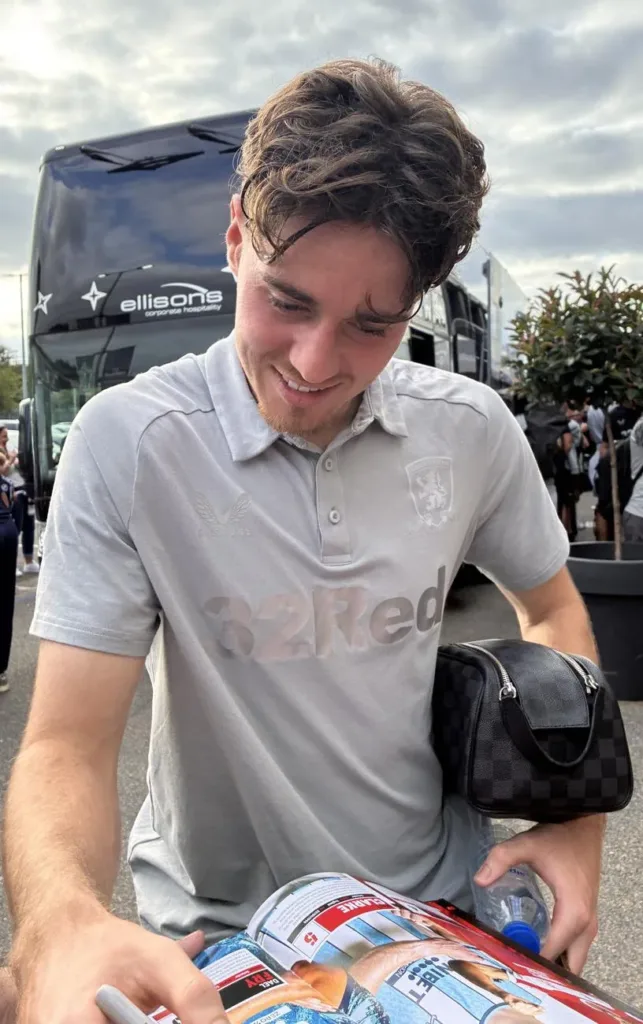
That arrangement gave the evening a useful selection story. A player coming into the side needs opportunities to show how his qualities fit the people around him. Hackney’s involvement in the opening goal and his own finish provided visible evidence in the final third. One good performance cannot settle every future selection, but it gives the manager something concrete to consider.
Knockout progress can come through very different demands. Liverpool needed a shootout to remove Chelsea earlier in the round. Everton established a lead in normal time and protected it. Both routes end with progression, but they leave different questions about the decisions and individual contributions that made the result possible.
The wider team still had work to do
Newcastle introduced Yoane Wissa, Joelinton and Anthony Elanga at half-time. The changes made the second period another test of Everton’s organisation. Burn eventually reduced the deficit, but the visitors did not overturn the lead. Scoring three goals creates a strong headline; maintaining enough control between those goals is part of why that headline becomes a winning one.
Everton’s selection announcement had also confirmed two absences. Jarrad Branthwaite remained out under concussion protocols, while Jack Grealish was unavailable following a breach of club discipline. The club did not set out further details in that statement. The result can be reported clearly without turning an absence into speculation about private conversations or an unannounced long-term decision.
Jordan Pickford started behind Merlin Röhl, James Tarkowski, Jake O’Brien and Vitalii Mykolenko. Those names provide the framework around the attacking story. A midfielder’s freedom to join a move depends partly on the team retaining a workable shape behind him. The most useful follow-up is whether Everton can reproduce effective combinations, rather than assume a single score has solved every problem.
A second meeting follows quickly
Moyes’s programme notes had identified finishing as an area needing improvement after the recent Chelsea and Arsenal games. He also described the pressure of three fixtures in eight days. Thursday’s goals supply an immediate positive response to the first concern. They do not remove the physical and organisational demands of the next matches.

Newcastle’s official fixture list has the clubs meeting again at St James’ Park on Monday 2 November, with a 20:00 GMT start. That is 21:00 in Nigeria. The venue, competition and available league points will make it a new contest. Everton can carry confidence into it, while Newcastle have an early opportunity to respond against the same opponent.
A response after disappointment is a recurring football challenge, explored in Rúben Dias’s assessment of City’s Villa setback. For these two sides, the next test arrives unusually soon. Thursday’s score is part of the preparation, but it cannot supply Monday’s tackles, passes or finishing for them.
Hackney’s breakthrough therefore belongs within a bigger story. Everton have gained another cup match, several players have contributed to a convincing result, and Moyes has fresh evidence from his selection. Fleetwood is the next step in this competition. Before that comes the work of carrying useful parts of the performance into another demanding away evening.


Isiagu Tobby
Wowplus editorial contributor.