



Table of contents
Creating a family recipe collection can begin with one stained card, a notebook or a dish that somebody has always made from memory. The useful first step is to record what already exists, including the people and occasions attached to the food. A collection can become both a practical kitchen reference and a small family archive.
Those two purposes need different copies. A working version can sit beside the mixing bowl, while an original handwritten page stays somewhere protected. Keeping that distinction from the beginning makes it easier to preserve a document without making the recipe impossible to use.
Start with a manageable first collection
Choose a small opening group: perhaps five dishes linked to one person or a particular celebration. A limited project is easier to finish than a request for every recipe anybody remembers. Give each item a simple identifying name and record who supplied it, when you received it and whether it came from a written source or a conversation.
Ask what makes the dish distinctive in that household. A shop-bought ingredient, an improvised substitution or a serving bowl may be part of the memory. Oklahoma State University Extension’s discussion of family recipes describes how food traditions connect people with celebrations and shared experiences. Your notes can preserve those connections alongside quantities.
There may already be supporting photographs or letters in the house. Our guide to preserving old photo albums offers a related starting point for keeping family material together. Record which photograph belongs with which recipe before the connection becomes difficult to remember.
Keep uncertainty visible. If two relatives remember different quantities, save both accounts with their names rather than silently choosing one. A note such as “Auntie’s later version” gives a future reader more useful information than a polished page that hides how the recipe changed.

Capture the recipe and its context
A simple record can contain the dish name, contributor, ingredients, method as supplied, approximate yield, occasion and a short memory. Leave space for later corrections. If somebody demonstrates a technique, ask permission before recording them and explain who will receive the recording.
Separate the contributor’s instructions from your own observations. You might label sections “Original wording” and “Working notes.” That prevents an edit made for convenience from being mistaken for the older document. Keep unusual expressions, but add an explanation when the person can supply one.
The Smithsonian’s collection includes a handwritten bread recipe from Julia Child’s kitchen, a useful example of an ordinary working document becoming an object of historical interest. Its value extends beyond a finished dish to the handwriting and the circumstances in which the instructions were used.
Stories about meals also help explain why a dish matters. Our feature on Somebody Feed Phil and the people around food looks at that social dimension from another direction. A recipe collection can make room for the host, the setting and the conversation as well as the plate.
Protect originals and make useful copies
The US National Archives’ NARA guidance recommends preserving original recipe material while making copies for use. Handle pages with clean, dry hands, avoid unnecessary folding and do not force a tightly bound cookbook flat for a scan. A readable copy is more useful than a damaged original.
Suitable archival folders or protective sleeves can help keep loose material together. Avoid self-adhesive “magnetic” albums. The Library of Congress also advises keeping paper away from food and drink, strong light and damaging attachments such as rubber bands. Save the cooking for a separate workspace.

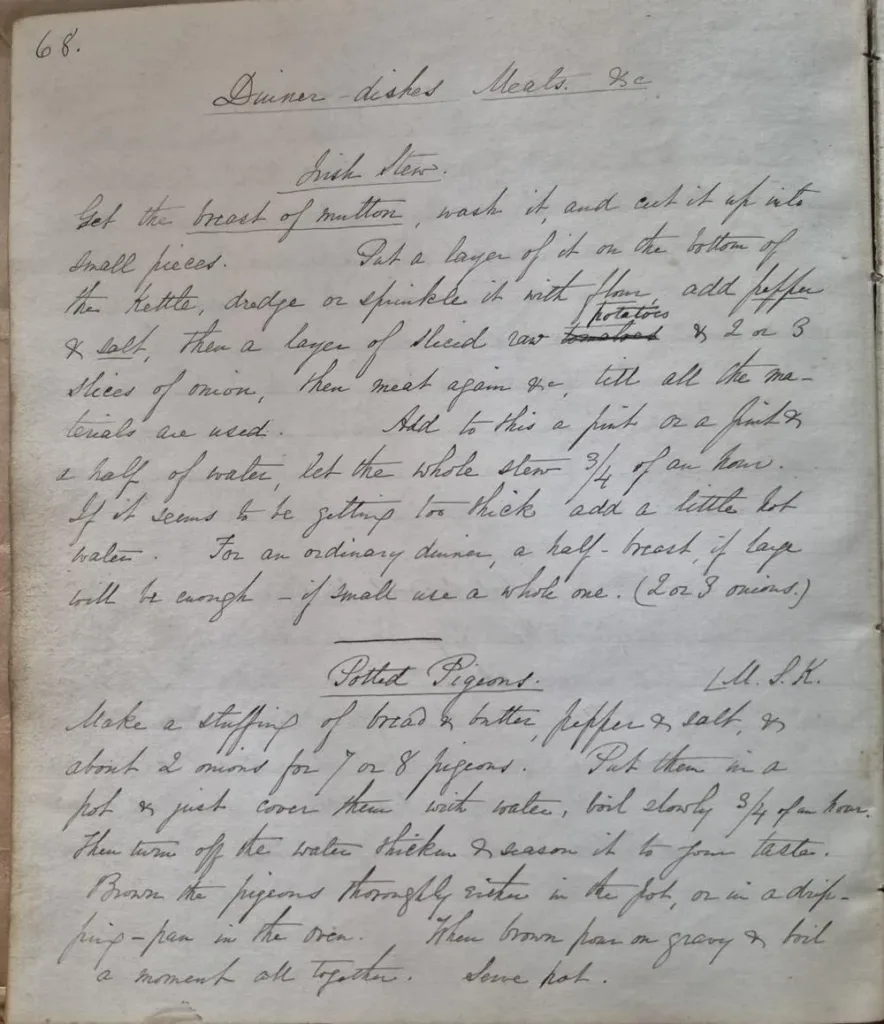
A scan should include the whole page, including edges and notes on the reverse. Photograph a cover or binding when it helps identify the source. Name the files consistently, for example “Ada-coconut-cake-card-front,” and keep a short list connecting each file to its physical original.
Our guide to organising a digital photo library covers habits that can support the same task. A clearly named folder and a second copy in another location make family material easier to find again. Check that a sample of saved files opens before considering the copying complete.
Build a collection people can continue
Create a readable working edition without discarding the source images. Put a transcription beside the scan, and mark missing words instead of guessing. If an ingredient quantity is unclear, ask the contributor when possible. An archival document should not automatically be treated as a tested or complete modern cooking instruction.
Invite relatives to review the entries that concern them. Check names, spellings and the stories they are comfortable sharing. A family edition can stay within a small group; posting it publicly is a separate decision, especially when photographs, recordings or personal recollections are involved.
Give the collection a date and a version number, then identify someone who can add material later. A short introduction explaining where the originals are stored will help the next person continue. The most useful result is a collection that people can read, understand and care for, with room for another recipe and another story.
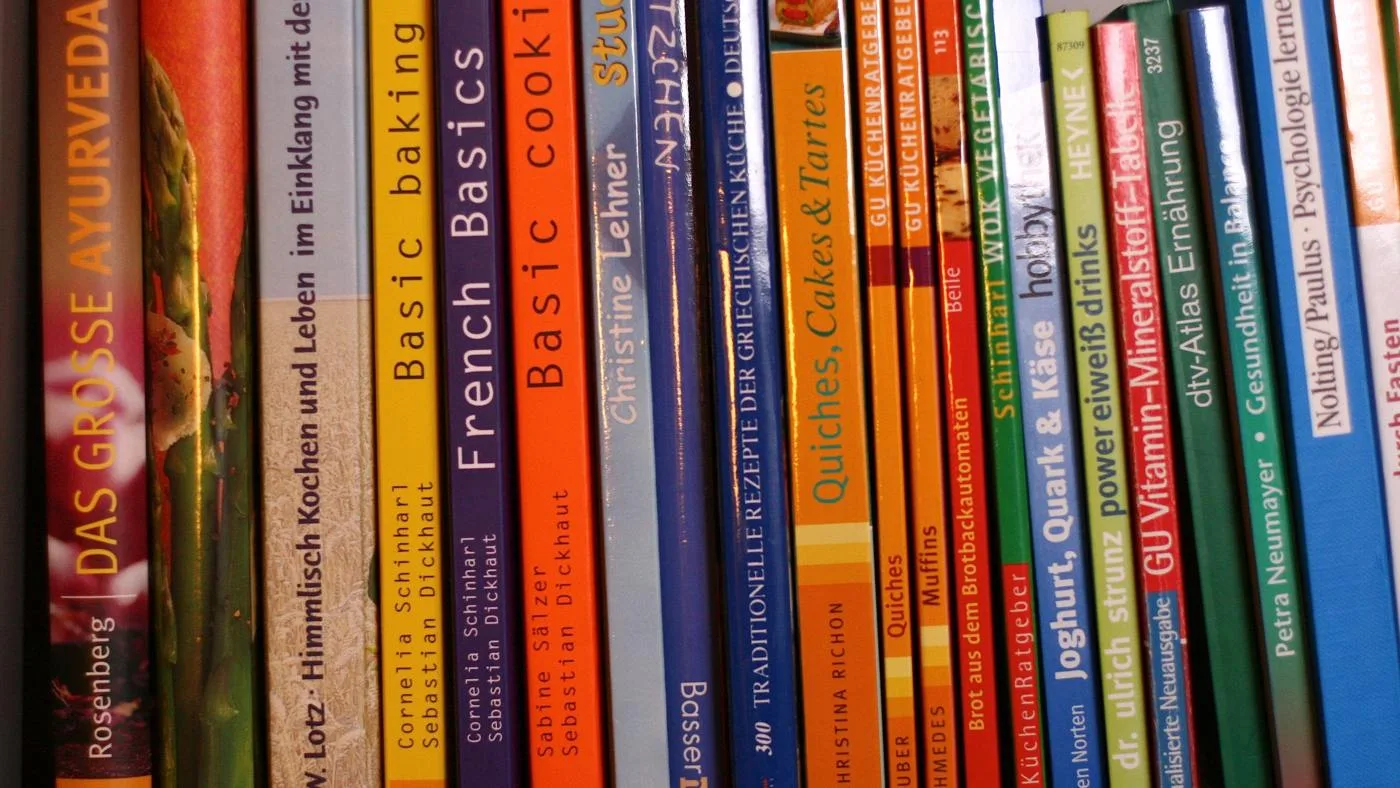
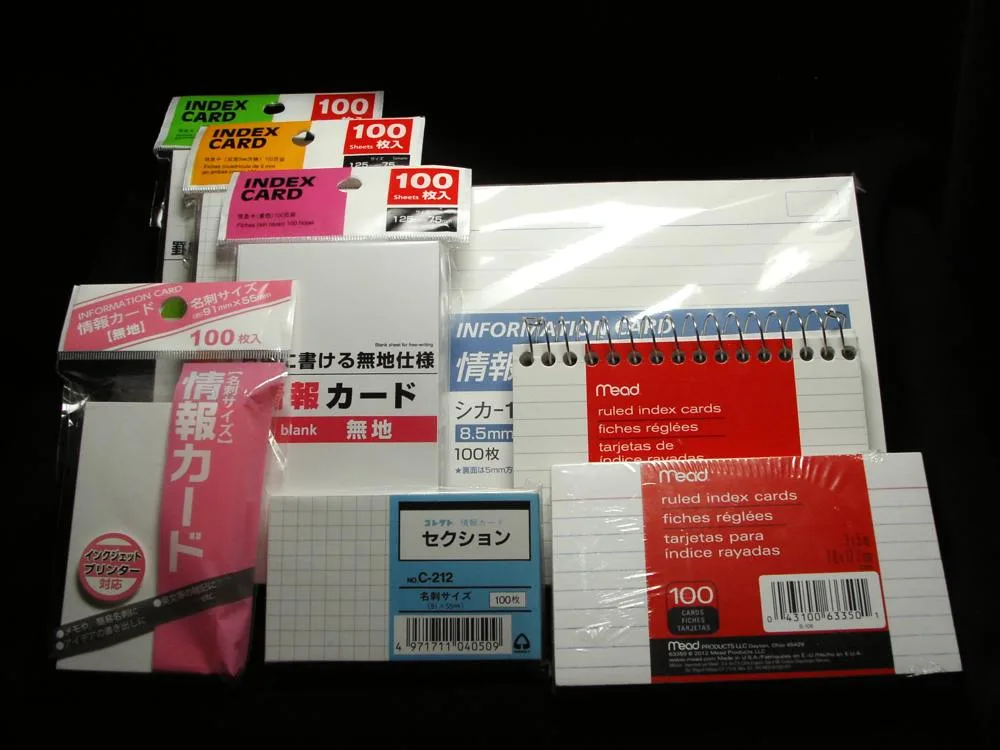
Featured illustrative photograph: Katrin Gilger / Wikimedia Commons, February 2010. CC BY-SA 2.0 (https://creativecommons.org/licenses/by-sa/2.0/). Cropped and resized.


Isiagu Tobby
Wowplus editorial contributor.