



Table of contents
Maria Bamford documentary Paralyzed by Hope: The Maria Bamford Story reaches Netflix on October 23, bringing a long-running comedy career into a new feature-length portrait. Judd Apatow and Neil Berkeley co-direct the film. Its release gives viewers another way to encounter a performer whose work already spans stand-up, television, voice acting and memoir.
The documentary follows more than a sequence of professional milestones. Netflix’s synopsis describes a journey from childhood in Duluth, Minnesota, through college performance and work in Los Angeles, alongside almost four years of filming her present-day life. That combination places older material beside experiences unfolding while the filmmakers were still deciding what kind of film they were making.
Our feature on Gillian Jacobs’s acting and documentary directing follows another career crossing different forms. Bamford’s film presents a different arrangement: she is the subject, while two other filmmakers select and shape the material. Her own performances and recollections remain central, but the finished portrait is also the product of their editorial decisions.
A festival premiere before the streaming release
The film’s listing at Netflix identifies October 23 as its United States release date. The company describes a documentary mixing stand-up clips, testimony from fellow comedians and material about family relationships and mental health. Those are the distributor’s descriptions of its scope, rather than a guarantee that every viewer will respond in the same way.
The film had an earlier public life at Sundance. The festival’s account records its January 22, 2026 premiere at The Ray Theatre in Park City and a conversation with the directors afterward. That distinguishes the festival debut from today’s streaming date. A film can be new to a wider home audience after already screening for festival audiences months before.
At that discussion, Berkeley described the difficulty of making a portrait of someone who had already told her story in so many formats. He also explained the decision to retain substantial stretches of stand-up. That is a useful clue to the approach: the work itself has to be visible, rather than being replaced entirely by other people explaining why it matters.

Our account of the Chrissie Hynde documentary considers another performer represented through nonfiction film. The common question is how a documentary balances the public record with a person’s own presence. Music and comedy require different material, but neither becomes fully understandable through a list of achievements detached from the performances.
Stand-up, a television persona and a memoir
Bamford’s publisher identifies Lady Dynamite, The Maria Bamford Show and Ask My Mom among her screen work. Her stand-up titles include Old Baby, Weakness Is the Brand and The Special, Special, Special! The range matters because an audience may arrive knowing only one version of her work. A new documentary can provide connections without replacing those separate productions.
Netflix describes Lady Dynamite as a series inspired by Bamford’s life, with surreal episodes moving across different periods. That is a different form from a documentary. An actor playing a character based on herself can exaggerate, rearrange and invent within a scripted production. A biographical film asks viewers to make a different relationship with the images and testimony presented as nonfiction.
Her memoir Sure, I’ll Join Your Cult adds a further first-person account. Simon & Schuster describes it as a book about mental health, show business and the search for belonging, and lists Bamford as the audiobook narrator. Its paperback edition dates to September 2024. A publication date belongs to that edition, rather than marking the beginning of the experiences described inside it.
Comedy also changes when its setting changes. Our Bob Odenkirk career feature follows a performer across comedy, television drama and action films. Bamford’s different formats likewise deserve attention as distinct creative choices. A voice performance, a live set and a personal book do not all ask the same things of a performer or audience.
That variety makes the inclusion of full jokes especially useful. Describing a comic as unusual says little about timing, shifts in voice or how a story moves toward a punchline. Watching a sustained section allows the audience to hear the structure. Admirers’ testimony may offer context, but it cannot do exactly the same job as the performance being discussed.

A personal portrait that still leaves room for the performer
In an October 22 Radio Atlantic interview, Bamford resisted being treated as fragile simply because she speaks about difficult experiences. The point is a valuable one for approaching the film: openness about a life does not remove professional craft or personal agency. A comedian can discuss vulnerability while still making deliberate decisions about how to entertain an audience.
Netflix’s description makes clear that mental health is part of the documentary’s subject. Viewers can consult the title’s classification and content information when deciding whether it is right for them. Discussing a performer’s own account is different from diagnosing her, and a comedy documentary should not be used as a substitute for individual medical advice.
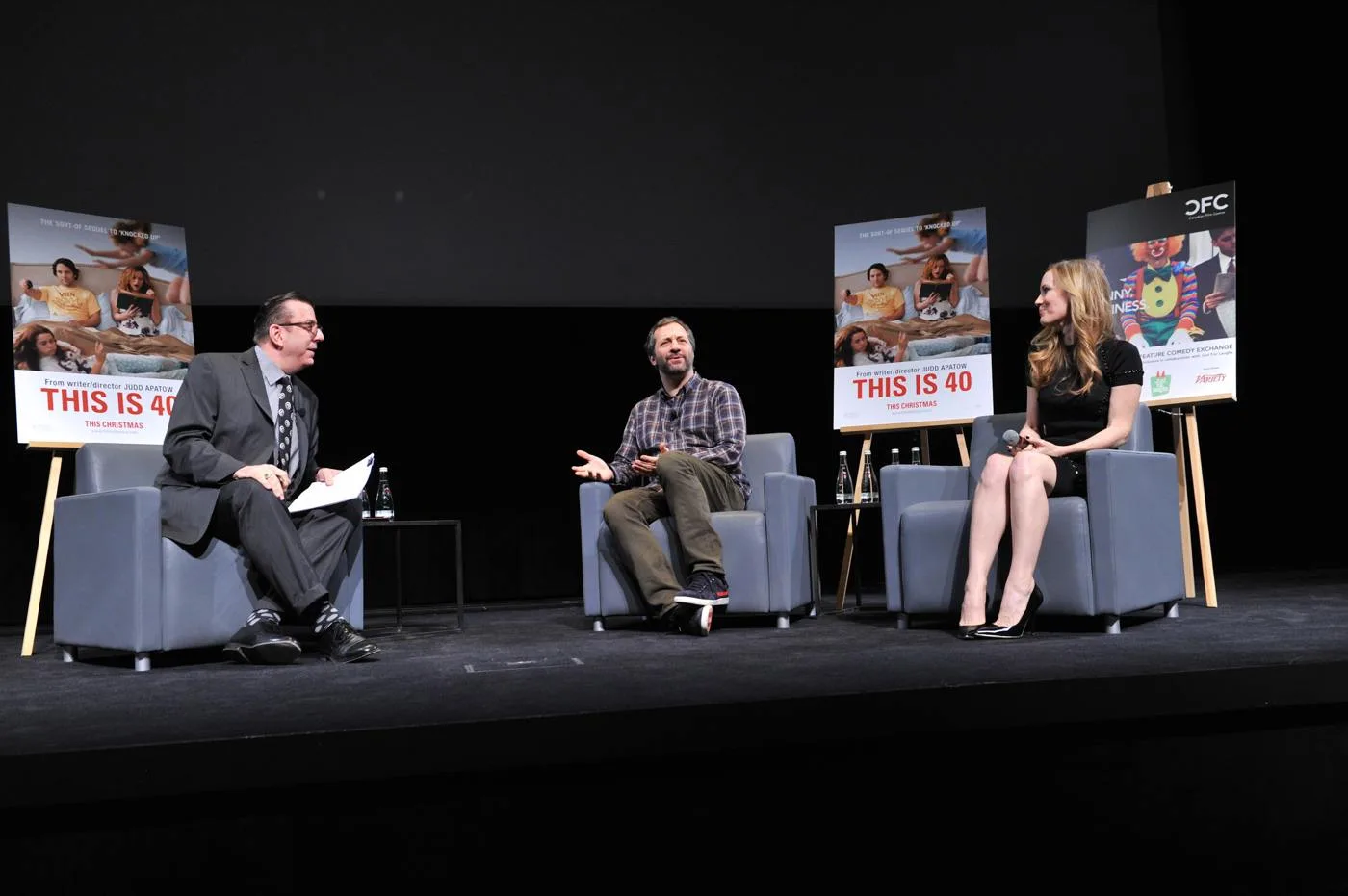
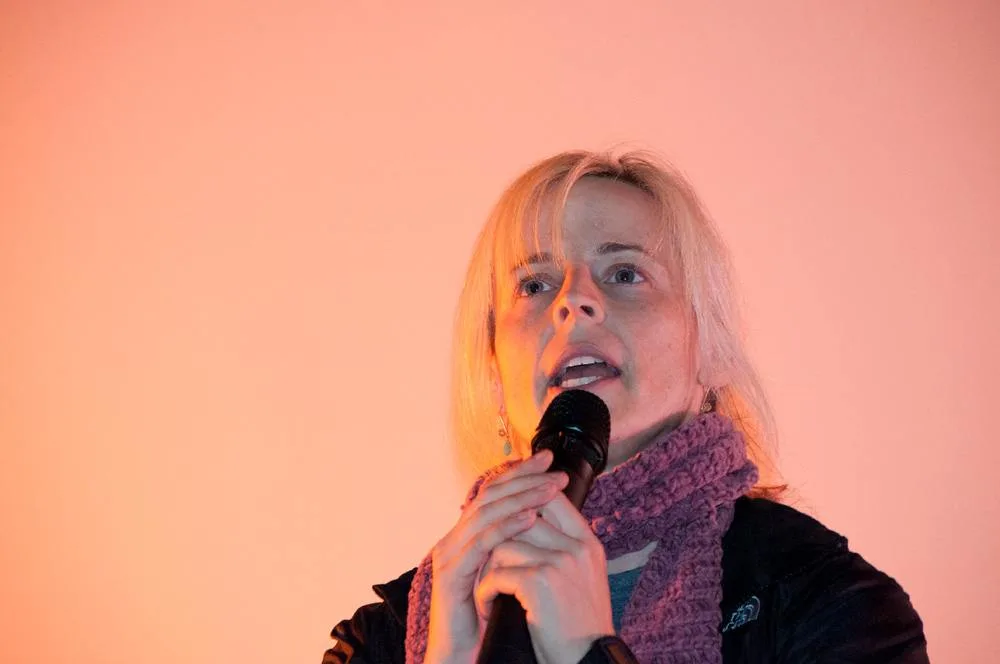
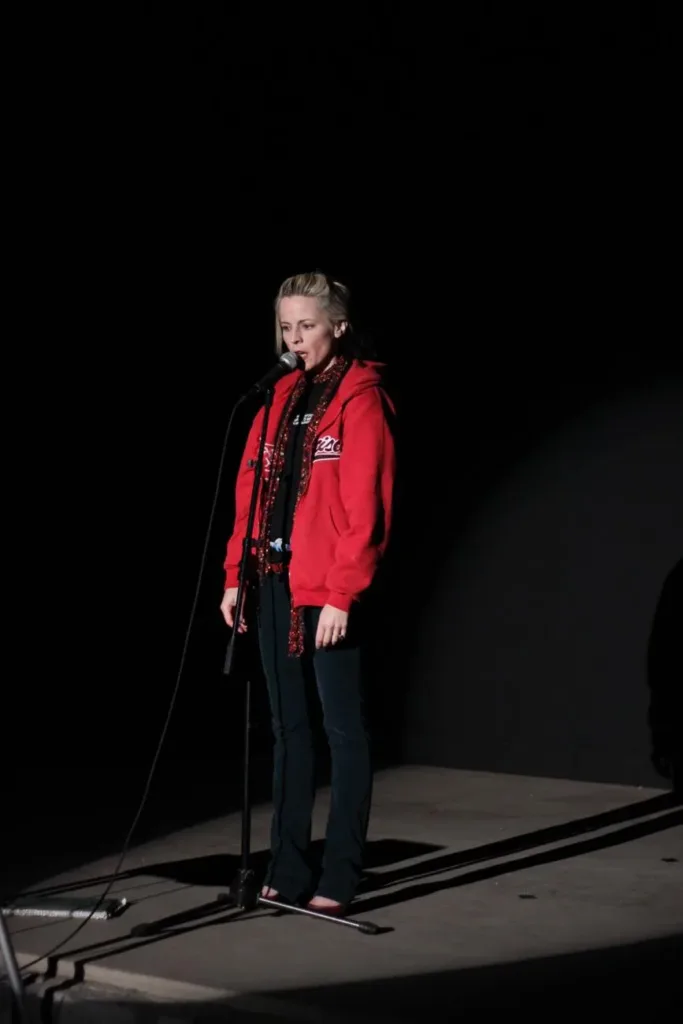
The archive images here show Bamford performing at earlier points in her career and Apatow at a separate public conversation. They are not stills from Paralyzed by Hope or photographs of its Sundance premiere. Keeping those labels clear lets the pictures illustrate the people involved without making an old event appear to be part of the current release.
The new film offers a meeting point for those several strands: the comic on stage, the person recounting her life and the filmmakers building a portrait from both. Viewers who discover Bamford through it can then return to the individual specials, series or memoir on their own terms. The work continues beyond the boundaries of one documentary.


Isiagu Tobby
Wowplus editorial contributor.