



Table of contents
Trey Parker’s South Park business offers a useful example of how a creative career can develop into several distinct commercial interests. The animated series is the best-known part of that record, but theatre and the revival of Casa Bonita add different operating models. The evidence is strongest when those activities are examined separately, rather than compressed into an exact-looking personal net-worth total that public announcements cannot establish.
The major documented television agreement is Paramount’s July 23, 2025 renewal with Park County and South Park Digital Studios. The Paramount release specifies five years and 50 new episodes, alongside the earlier library and an exclusive streaming licence. Those are concrete commitments about a programme and its distribution. The announcement does not provide Parker’s personal balance sheet or a calculation of his take-home proceeds.
Our report on Peter Rice’s Netflix content appointment offers a wider look at the companies commissioning and distributing entertainment. These are separate businesses and separate deals. The useful connection is that a valuable programme sits inside an industry of buyers, production organisations and distribution platforms, each with responsibilities that are different from the personal finances of the people whose names lead the credits.
The television deal combines a library with future work
The library and the new episodes also represent different promises. Existing programmes can remain available for audiences to revisit, while a future production commitment requires more work to be delivered. A streaming service may value both, but the headline combination should not be read as though every part is payment for an already completed asset. The underlying agreements determine the economics, and their full terms are not reproduced in a corporate press release.


Paramount identifies South Park Digital Studios as a joint venture involving Paramount and Park County, the company founded by Parker and Matt Stone in 2012. This makes the organisational structure more informative than a simple claim that one creator personally owns everything connected with the series. Ownership, production and licensing can sit in different legal entities even when the same familiar people remain central to the work.
A long contract can support planning, but it also sits alongside obligations. Animation production, staff and other business costs have to be considered before revenue can be interpreted as profit. Personal net worth asks a further question about assets and liabilities attributable to an individual. A programme’s commercial importance, or the length of an agreement, cannot by itself answer either of those accounting questions.
The stage work belongs to another structure. Our 2017 Tony Awards archive is one entry into Broadway’s wider production world; it is not the award year for The Book of Mormon. The musical’s own official history places its Broadway opening in spring 2011 and credits Parker, Stone and Robert Lopez as its creators, giving this part of the record its own timeline.
Broadway and a restaurant operate differently
The official Broadway site describes The Book of Mormon as a nine-time Tony-winning musical, and the Tony Awards database records Parker’s shared writing and directing honours in 2011. A successful stage production establishes a significant creative credit and a continuing public work. It does not reveal the private royalty splits, investors’ arrangements or the costs that stand between a ticket sale and a creator’s eventual income.
Casa Bonita introduces a business with a physical venue. Paramount’s announcement for the 2024 documentary ¡Casa Bonita Mi Amor! describes the restaurant’s revival by Parker and Stone and identifies its earlier opening in 1974. The film follows a place known for features including an indoor waterfall and cliff divers. That is a different kind of undertaking from making an episode available through a streaming catalogue.


The difference is practical. A venue has to deliver an experience in a location, with the people, maintenance and service operations that involves. A television library can reach an audience through licensed distribution. Both can draw on public recognition, but recognition alone does not make their costs, cash flows or risks equivalent. A list of famous projects becomes more useful when the business behind each item is explained.
Our profile of Dr. Dre’s ownership interests provides a separate example of the relationship between creative work and business assets. The comparison is about method, not a claim that their holdings have the same value. In each case, a specific documented transaction tells readers more than assuming that a well-known name automatically translates into a particular amount of personal wealth.
A long creative life leaves a varied business record
The Book of Mormon’s 2026 anniversary material illustrates another aspect of a long-lived work: an earlier creative project can continue to find audiences many years after its opening. The Tony Awards announced an original-cast reunion performance for its June 2026 ceremony, with Parker, Stone and Lopez introducing it. That announcement is evidence of the musical’s continuing public profile, not a disclosure of the creators’ earnings from the occasion.
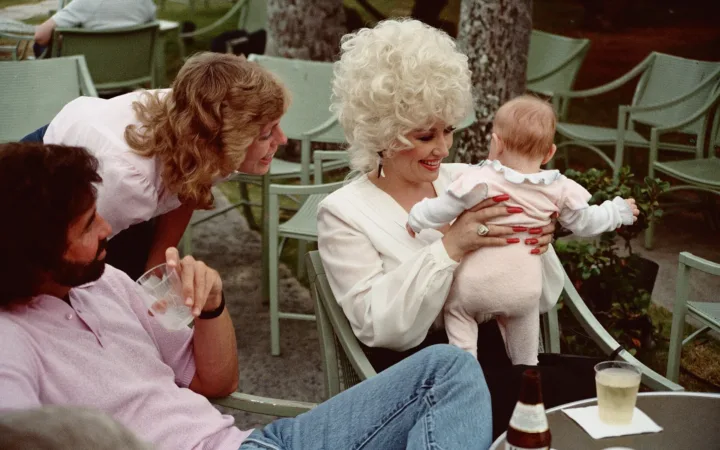
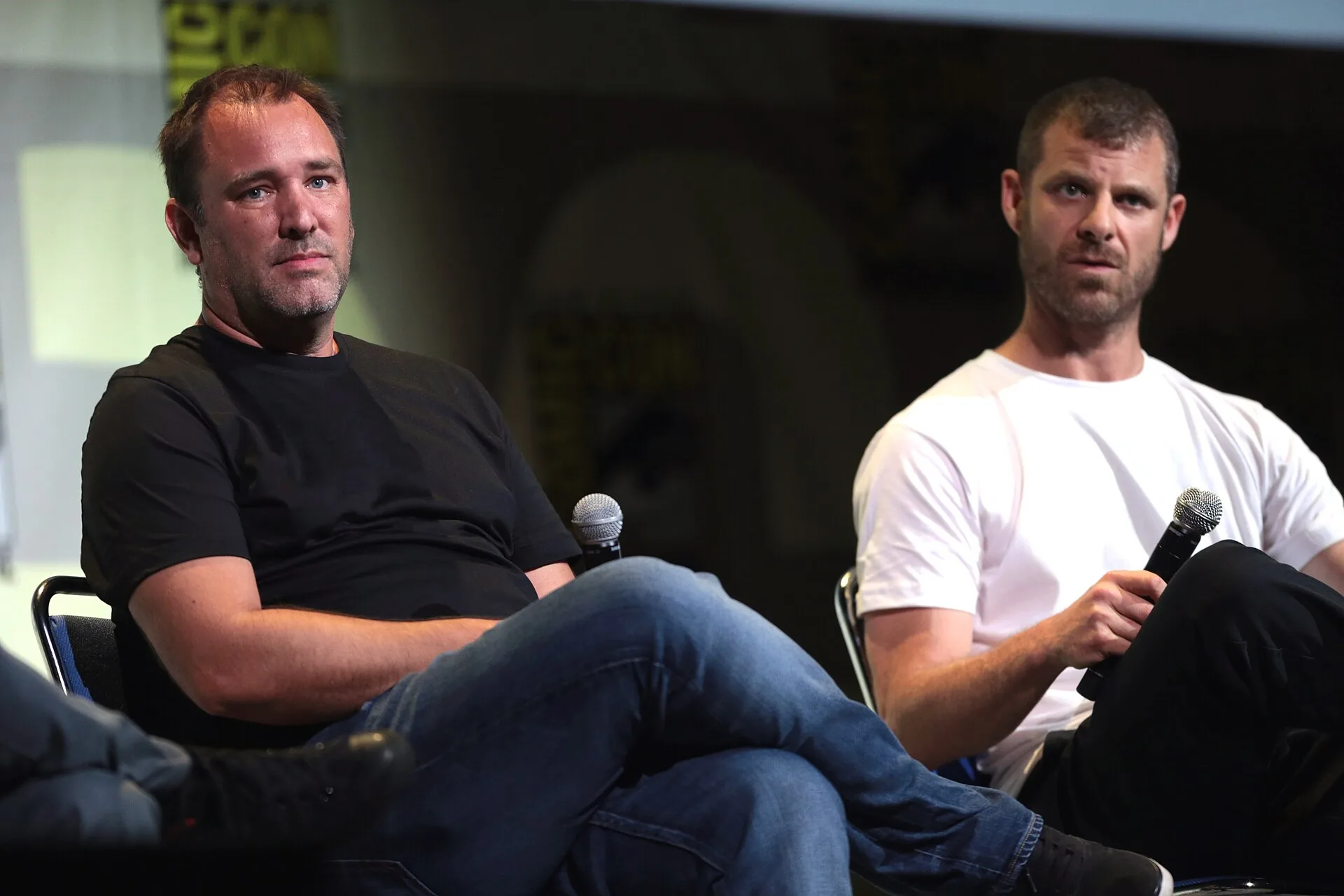
The archive photographs accompanying this profile identify their original events and dates. They show the creators or the relevant venue in public settings, rather than a contract signing or a private financial meeting. Images help readers recognise the people and projects under discussion, but a red-carpet photograph cannot verify an ownership percentage or stand in for the financial documents a net-worth calculation would require.
What the record establishes is substantial enough without a speculative total: Parker co-created an enduring television franchise, participates in a documented corporate structure, shares the authorship of a major musical and helped revive a restaurant with Stone. Those activities explain the breadth of his business career. Keeping their different economics visible gives readers a firmer understanding of the work behind the wealth questions.


Isiagu Tobby
Wowplus editorial contributor.