



Table of contents
David Warner at 40 is still preparing for another season with Sydney Thunder. Born on October 27, 1986, the left-handed batter reaches the milestone today with a BBL|16 agreement already announced and his name on the club’s current player list. His international career has ended, but his domestic playing role continues.
That makes this birthday a useful point to consider his next assignment. The immediate question concerns a team trying to improve after a difficult season, with a senior batter whose own recent results were considerably stronger than the final league position. Experience matters, but the next competition will provide its own evidence.
A new season was agreed before the birthday
Sydney Thunder announced Warner’s return for BBL|16 on January 22. Cricket Australia described the agreement as a one-year extension taking his Big Bash career beyond his fortieth birthday. The decision was therefore made months before the milestone arrived.
The club’s announcement identified him as captain and emphasised his wish to help the group produce a stronger campaign. That gives the next season a practical focus: maintaining his own contribution while working within a team whose performances need to improve. A birthday does not change the scorecard or supply a result in advance.
Longevity brings a similar question in other sports. Our coverage of LeBron James’s twenty-fourth season considers an established player in a new competitive setting. The value of experience is tested through the role an athlete performs now, alongside the achievements that made the name familiar.
The runs and the table told different stories
Thunder’s January account recorded Warner as BBL|15’s leading run-scorer, with 433 runs at a strike rate of 154. It also noted two unbeaten centuries, including 130 at ENGIE Stadium, and a second consecutive selection as captain of the competition’s Team of the Tournament.

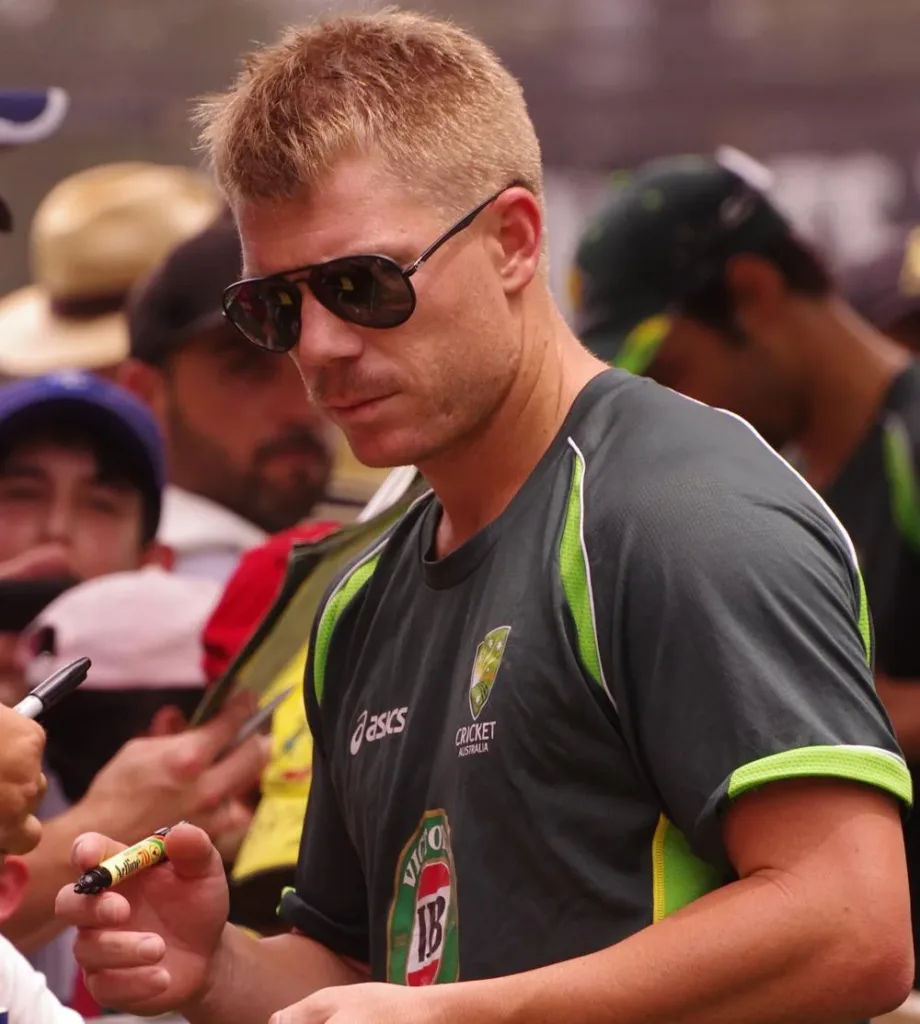
Cricket Australia’s report supplies the less comfortable team context. Thunder finished bottom with two wins from ten matches. Matthew Gilkes was the next most productive batter with 232 runs, while Daniel Sams was their only bowler to take more than ten wickets. Strong output from one player had not translated into a successful collective season.
The same report placed Warner’s batting average at 86.60 and identified his unbeaten hundreds against Hobart and the Sydney Sixers. Those innings show why the club wanted him back. They also make the imbalance clearer: a team can receive substantial contributions from its best-known batter and still struggle across the rest of a campaign.
For an opener, runs are an immediate contribution, but a league season also involves bowling, fielding and how performances combine on the day. A century cannot retrospectively alter the result of another match. Thunder’s challenge is to turn more of its individual strengths into repeatable team performances.
That distinction between an individual’s role and the group’s response also appears in our analysis of Rúben Dias and Manchester City’s reset. The sports are different, but the underlying assessment is familiar: the next team performance matters more than a reassuring statement about improvement.
International retirement changed the setting
The ICC’s career account dates Warner’s Australian debut to a T20 international against South Africa in January 2009, before he had played first-class cricket. His 89 from 43 balls made that an unusual and memorable entrance. A Test career followed, beginning against New Zealand in December 2011.
By the end of his international career, his record included 8,786 Test runs, 6,932 ODI runs and 3,277 T20I runs. The ICC also records his Player of the Tournament award during Australia’s 2021 T20 World Cup victory. Those achievements belong to a completed international chapter, rather than the upcoming Big Bash season.

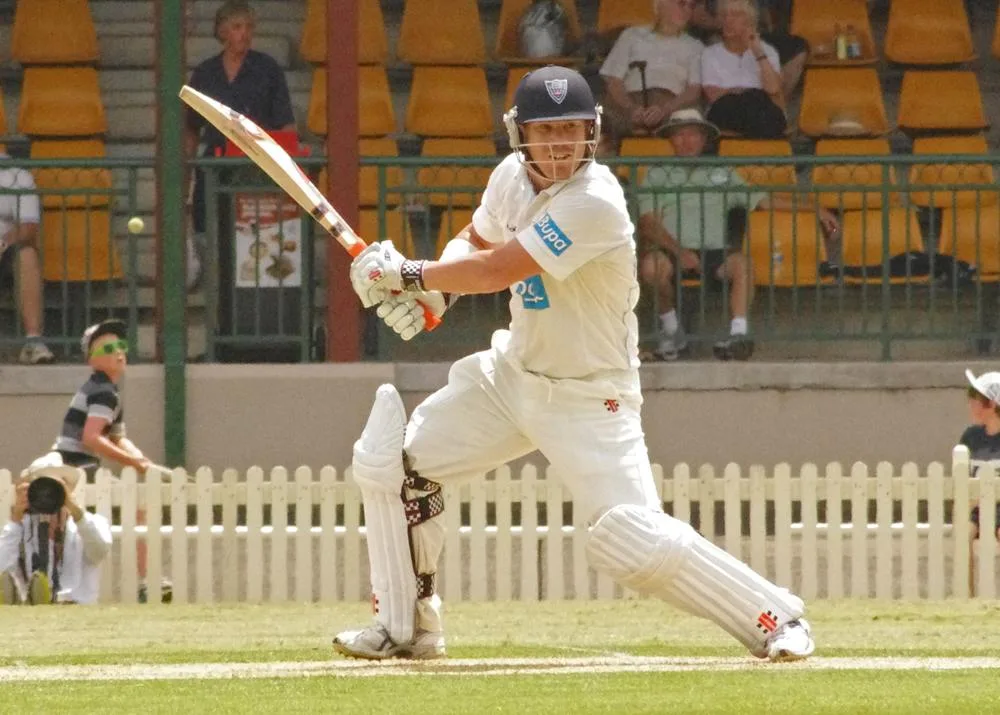
His Test farewell came in Sydney in January 2024, when he made 57 in Australia’s successful chase against Pakistan. His international career ended later that year following the T20 World Cup. In July, selection chair George Bailey said Australia’s planning treated Warner as retired, despite public discussion of a possible return.
The distinction is straightforward but useful. Retirement from representing a country need not mean retirement from every professional competition. Warner’s Thunder agreement concerns franchise cricket, with its own schedule and team responsibilities. The international record remains part of his background without becoming a prediction of his next innings.
Career records also acquire a different meaning once they are complete. Our feature on Ichiro Suzuki’s hits and Hall of Fame legacy examines that retrospective view in baseball. Warner’s immediate domestic story still has another season ahead of it.
A different group around an experienced captain
Thunder appointed Andrew Flintoff as BBL head coach in June, with an agreement running through BBL|17. In the club’s announcement, Flintoff discussed a group combining established players such as Warner, Chris Green and Daniel Sams with younger talents including Sam Konstas. His stated aim included creating an environment in which the players could perform.
The bowling group has also changed. Thunder announced Lockie Ferguson’s return in September, and its current player list includes Trent Boult. These are confirmed squad developments, rather than proof of how the side will perform when the competition begins.
The club’s published home schedule lists an opening home fixture against Adelaide Strikers at Manuka on December 16, followed by the Sydney Sixers at ENGIE Stadium on December 19. For Warner, turning 40 therefore arrives before another scheduled campaign. The next meaningful milestone will be what he and the rebuilt group produce together on the field.
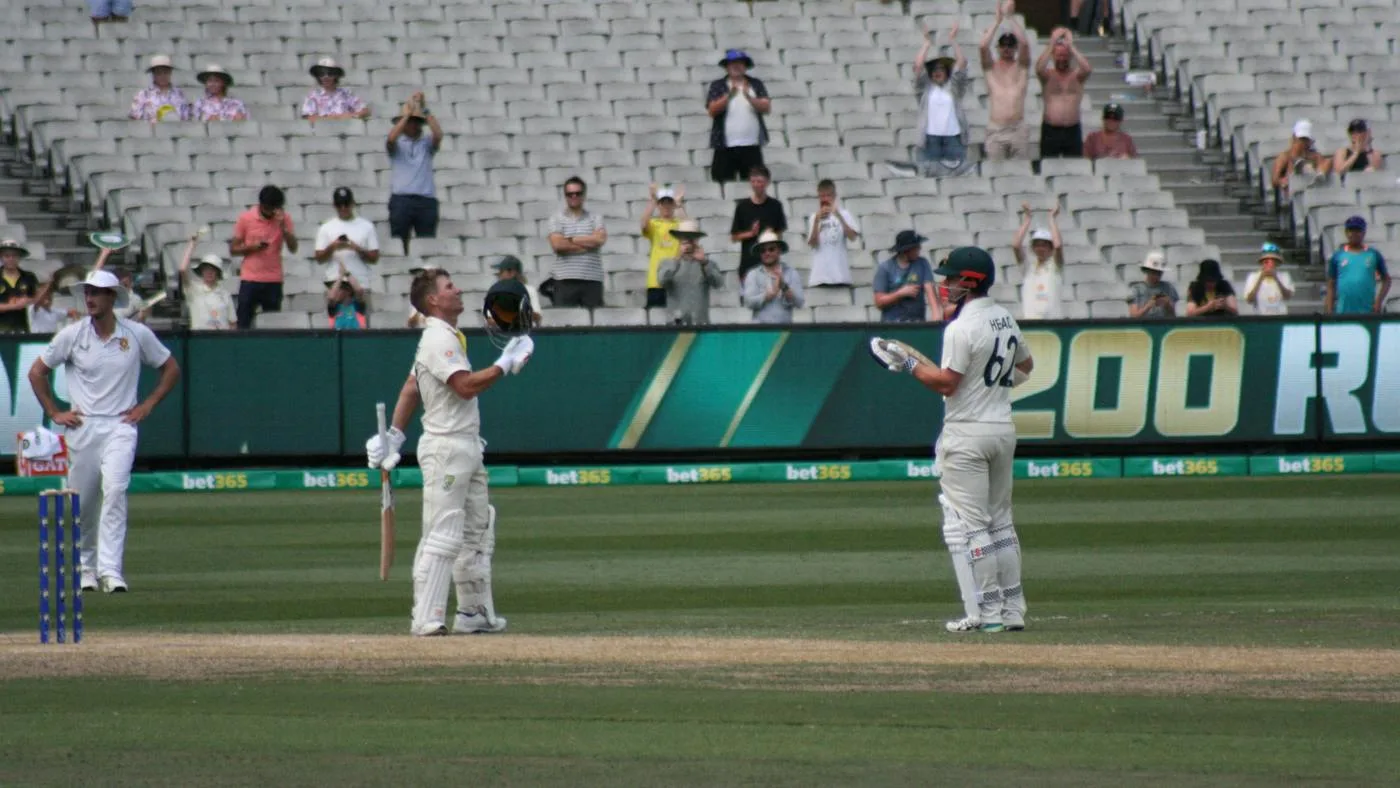
Featured archival photograph: Neb / Wikimedia Commons, December 27, 2022, during Warner’s double-century innings against South Africa. CC BY-SA 4.0 (https://creativecommons.org/licenses/by-sa/4.0/). Cropped and resized; not a photograph of the upcoming Big Bash season.


Isiagu Tobby
Wowplus editorial contributor.