Table of contents
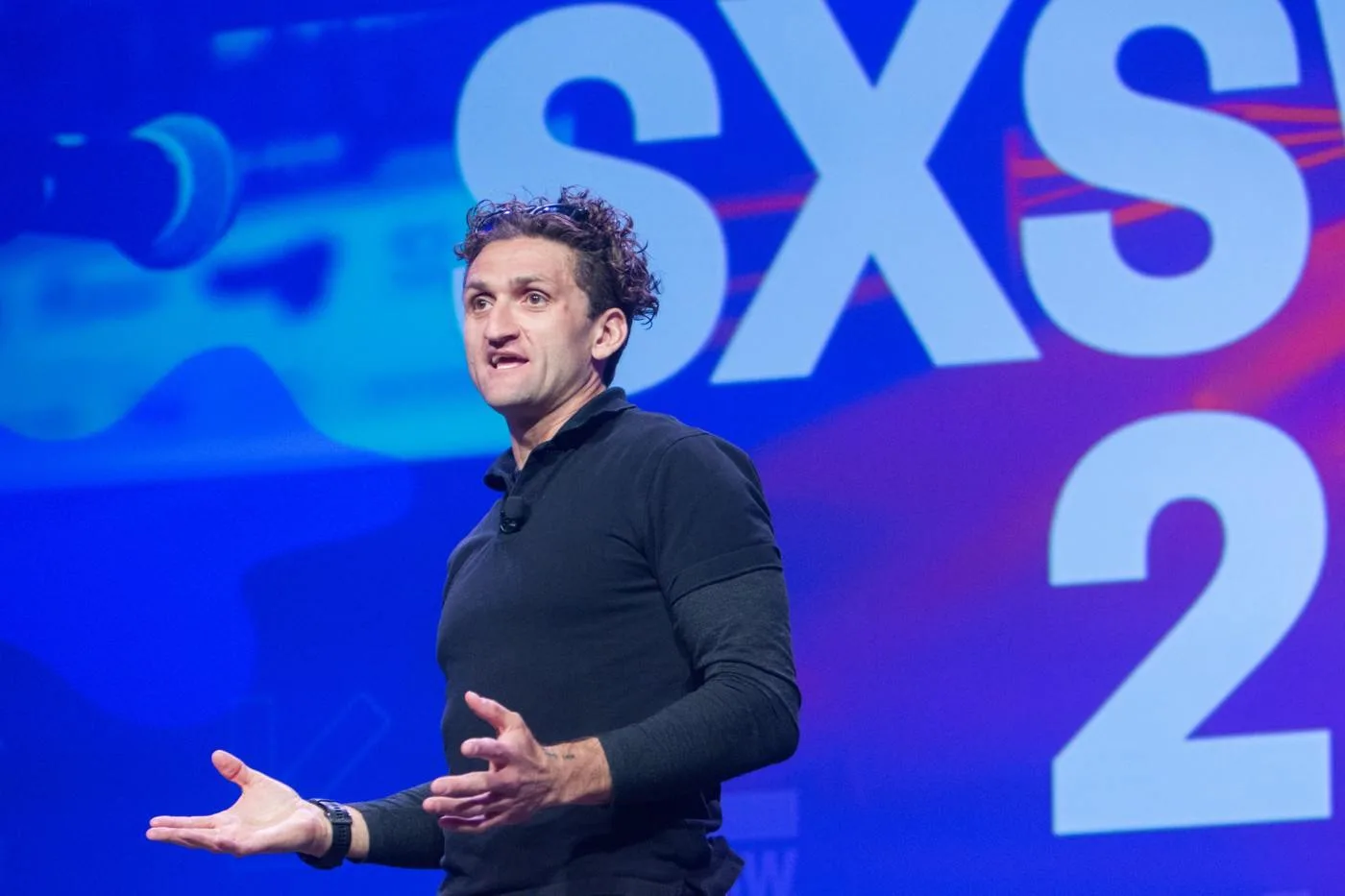
Casey Neistat NYC Marathon 2026 results add another chapter to a long-running part of the filmmaker’s public life. New York Road Runners lists his November 1 finish as 2:57:25, inside the three-hour mark. The number is newsworthy on its own, but a personal essay published just before the race explains why returning to the event matters to him.
Writing for The Free Press on October 30, Neistat said this would be his tenth New York City Marathon and thirtieth marathon overall. He traced his running back two decades to the period after a serious motorcycle accident. The account is his own description of that history, rather than a training prescription for other runners.
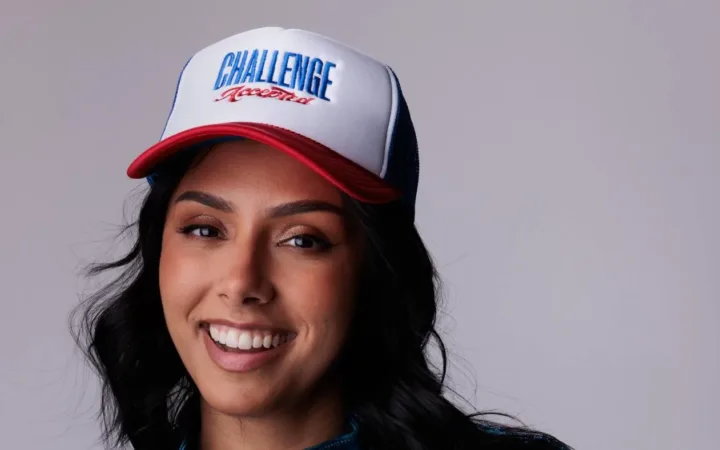
Physical challenges becoming part of a creative story also runs through our feature on Michelle Khare’s Challenge Accepted. Neistat’s work has a different style, but the connection is familiar: an audience follows both an activity and the person trying to make sense of it.
What the race result tells us
The official NYRR race-day release places Neistat among its notable runners and identifies him as a YouTuber and filmmaker. The reported 2:57:25 finish puts him two minutes and 35 seconds below three hours. It establishes a result at this event, without by itself establishing a lifetime personal best.
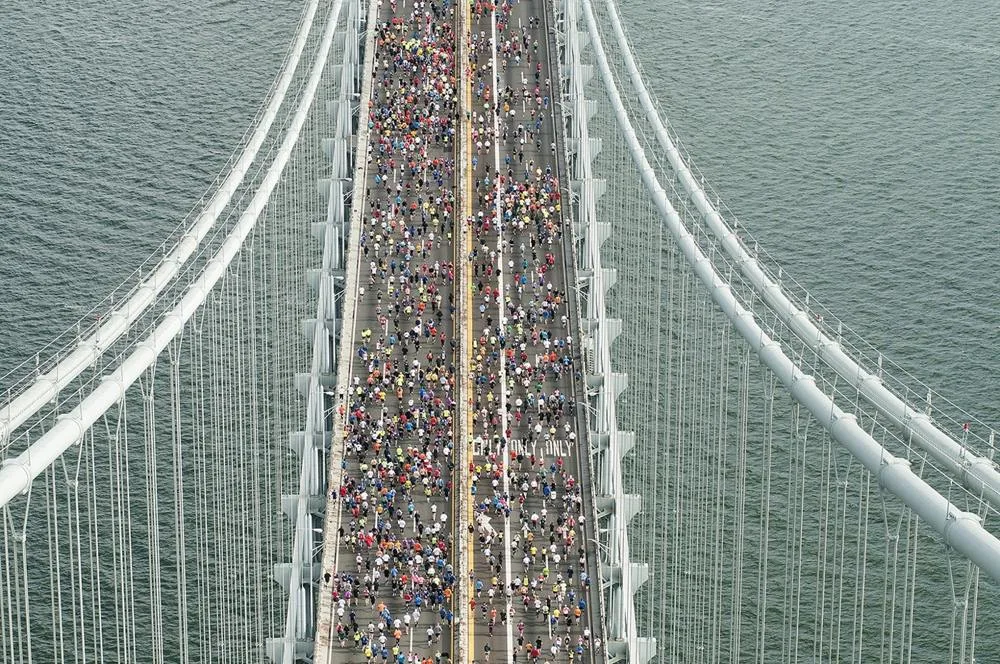
New York’s course carries runners through all five boroughs, starting in Staten Island and finishing in Central Park. The 2026 race marked 50 years since the move to that five-borough route. That setting helps explain why the marathon can feel like a story about a city as well as an individual athletic effort.
For someone known for turning daily experience into films, the appeal is easy to understand. A race has a fixed beginning, a route full of changing circumstances and an ending nobody can edit in advance. The finish time answers one question, while the experience of getting there leaves plenty of other material to consider.

The meaning he gave it before the start
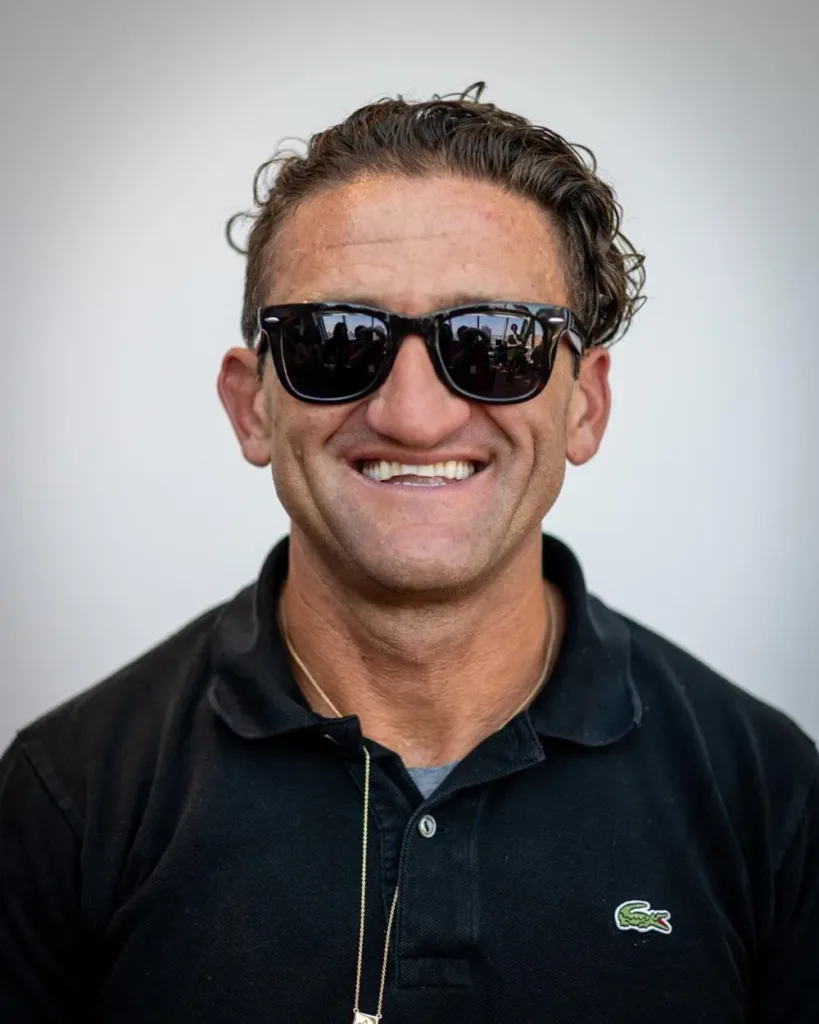
Neistat’s October essay focused on the attraction of an activity he could begin wherever he found himself. He described putting on running shoes and heading out without needing a membership. That simplicity was part of his personal explanation for returning to running, even as the organised marathon gives the same activity a much larger stage.
He also distinguished the spectacle of professional athletes from the appeal of ordinary participants trying to complete something difficult for themselves. In that account, much of the event’s meaning comes from people approaching the start uncertain about how their day will end. The shared effort matters alongside the performances at the front of the race.
That interest in making a process visible has a parallel in our look at Mark Rober’s Class CrunchLabs. The subjects and formats differ, yet both creators make room for an audience to follow how something happens. A finished result gains interest when viewers understand the choices and effort surrounding it.
Running has already been film material
An earlier example is Mind Games, a short film released by Nike Sportswear on Vimeo. Nike’s accompanying description explains that Neistat carried a small HD camera on runs over three weeks while preparing for a New York marathon. The film explored the thoughts that pass through a runner’s mind during the effort.
The description credits music to Jordan Galland, a longtime collaborator. That production detail matters because even a film rooted in an intensely personal activity involves creative decisions about sound, selection and structure. Running supplied the experience; making the short required deciding which parts of that experience could become a story for someone watching.

A camera on a run also changes what a film can notice. Instead of describing an activity only from a studio, the creator can collect moments while it happens and decide later how they fit together. The particular film offers a concrete example of that approach, without requiring every future running story to follow the same format.
The craft behind the creator’s story
Neistat’s filmmaking class on Studio makes the process itself the subject. The course presents him developing two films from ideas through shooting and editing. One uses a phone, while the other introduces a wider range of equipment and techniques. The useful distinction is about creative choices, rather than treating more expensive gear as the story.
The educational side connects with the broader creator work explored in our profile of Hank Green and free learning. These are different projects with different arrangements. What they share is a view beyond the finished upload, towards the knowledge, production decisions and collaborators that help an audience understand a subject.
Studio’s curriculum includes finding ideas, editing for story and tone, developing a more complex narrative and finishing a film. Those stages help explain why an interesting experience does not automatically become an interesting video. A filmmaker still has to choose a perspective and build a sequence that gives viewers a reason to keep watching.
The marathon result now supplies a clear ending to this particular weekend. The larger creative story remains the connection between doing something and finding a way to communicate it. Neistat arrived in New York with a long personal history in the event, and left with another finish that can be understood beyond the clock.


Isiagu Tobby
Wowplus editorial contributor.