Table of contents
Ian Wright at 63 is a story about the opportunities football can open, as well as the goals a striker can score. Born on November 3, 1963, he reaches his birthday today with famous moments at Crystal Palace and Arsenal behind him. A grassroots project featured this year offers a different way of seeing that legacy: helping girls find their own place in the game.
The connection is more than a neat birthday theme. Wright’s career began outside the usual fast track into professional football. The National Football Museum records that he signed his first professional contract at 21, after playing for Greenwich Borough. He had worked as a plasterer and trained as a bricklayer before Palace gave him his chance.
That late opening belongs beside the coaching questions explored in our profile of Arsène Wenger and youth development. Football careers depend on someone recognising potential and providing an opportunity to use it. In Wright’s case, the breakthrough came well after the age at which many academy stories begin.
The Palace chapter still matters
Arsenal’s record books can dominate a quick account of Wright’s career. His own recollection for Crystal Palace in May 2025 gave the earlier chapter its proper weight. He spoke about Steve Coppell, his partnership with Mark Bright and the attachment to a club that had turned professional football from a fading hope into a job.
The 1990 FA Cup final captures that period. After twice breaking his leg during the season, Wright recovered in time to be involved against Manchester United at Wembley. He started on the bench, entered during the second half and scored twice in the match that finished 3-3. United subsequently won the replay.
In the Palace interview, he explained why that appearance remained so significant despite the result. The recovery, the team’s emergence and the scale of Wembley all belonged to the memory. It is a useful reminder that the meaning of a career cannot always be arranged according to a simple list of trophies won.

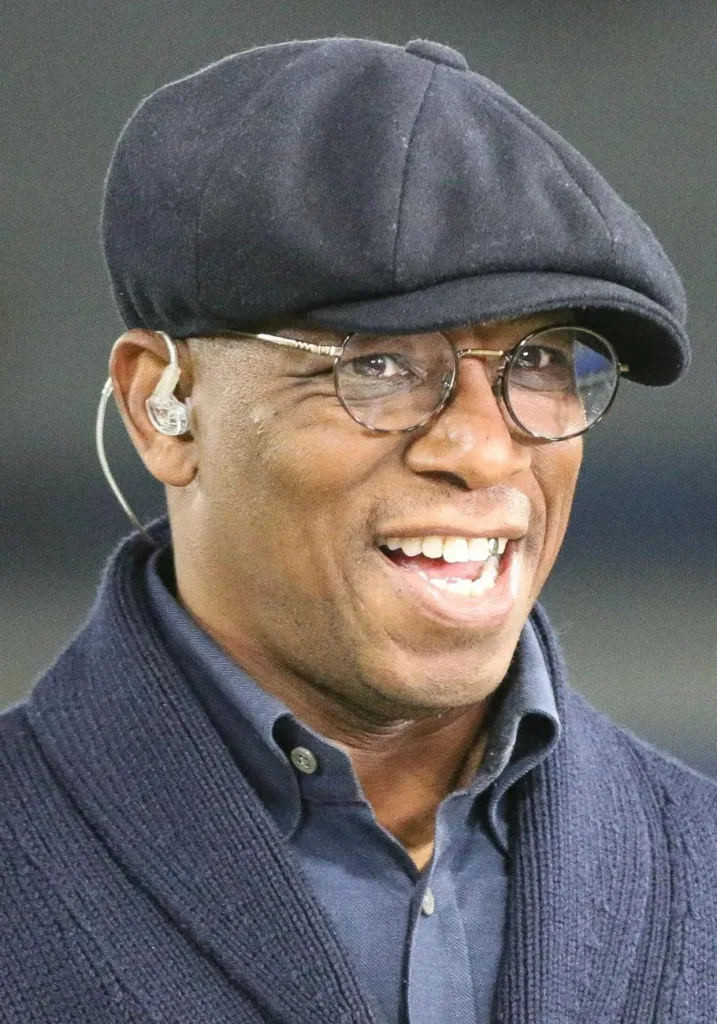
Palace’s account credits him with 118 goals in 277 appearances for the club, including two in the 1991 Full Members’ Cup final. Those are club figures across competitions. They belong to a distinct part of his career, before the Arsenal transfer that made his scoring celebrations familiar to an even wider audience.
A record with a particular place and date
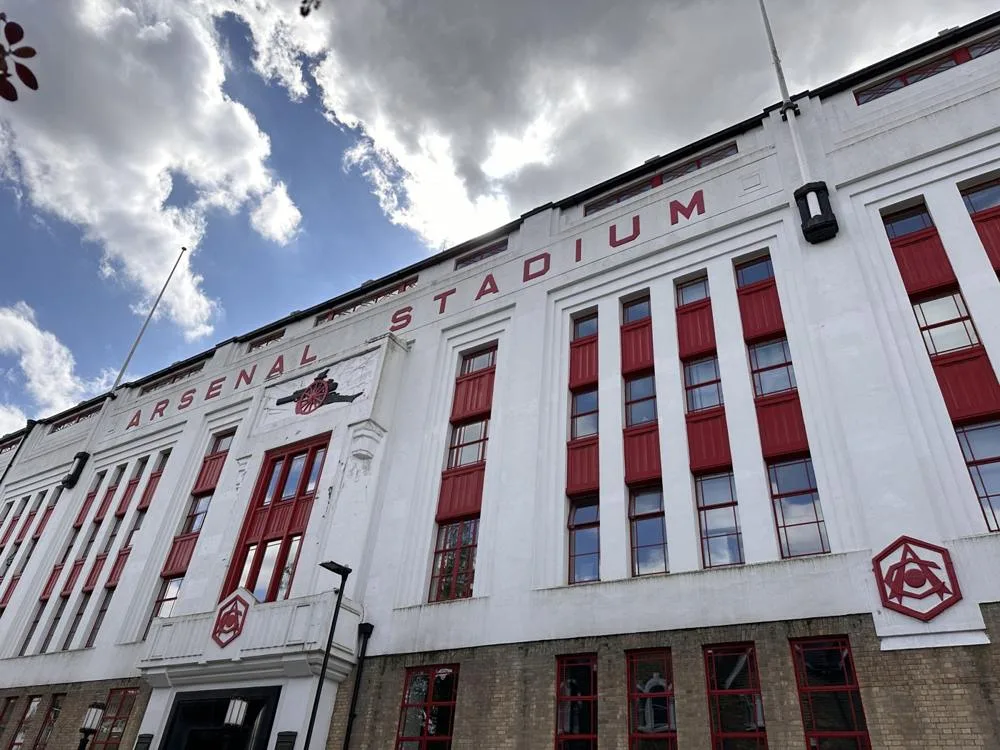
Wright joined Arsenal in 1991. On September 13, 1997, his hat-trick against Bolton Wanderers took him beyond Cliff Bastin’s club record of 178 goals. The moment at Highbury joined a long run of scoring with the visible delight that supporters still associate with him. His eventual Arsenal total was 185 goals.
Our recent look at Wayne Rooney’s career at 41 considers another forward whose early images became part of football memory. Wright’s route was different, but the same challenge applies when looking back: one famous goal or celebration can become shorthand for years of sustained work.
The Premier League inducted Wright into its Hall of Fame in 2022, recognising a record of 113 goals in 213 appearances in that competition. He was part of Arsenal’s 1997/98 title-winning side. Those league numbers have a narrower scope than his all-competition Arsenal tally, so they tell a different part of the story.
His response to the induction returned to the people around him, including Coppell, team-mates and backroom staff. That emphasis keeps the achievement connected to the chances and support that preceded it. A record belongs to a player, while the path to reaching it also runs through a team.

Returning to give girls an opening
This year’s Ten Em Bee project makes that idea tangible. In a series introduced by WSL Football in March 2026, Wright returned to his roots and joined coach Paul Palmer to help launch the club’s first competitive girls’ team. Barclays supported the series.
The announcement described a South London club with more than 50 years of community history, much of it centred on boys’ football. The girls featured came with different interests and ambitions. Their shared need was straightforward: an opportunity to play competitively in a team that had a place for them.
The project sits alongside the wider connection between sporting visibility and practical support discussed in our coverage of Bukayo Saka’s Socrates Award. These are different initiatives. Looking at the specific work, rather than treating fame as the achievement itself, makes each story more useful to readers.
What lasts beyond a scoring career
Wright’s birthday offers room for both sides of that picture. Palace and Highbury provide the great sporting memories; Ten Em Bee shows a former player’s recognition being directed towards participation. The 2026 series announcement establishes the launch, without supplying a complete season of results or proving what every participant will do next.
There is no need to predict that future to appreciate the connection. A player who received his professional opening at 21 can understand the value of being given a chance. At 63, Wright’s story reaches from the joy of taking that opportunity himself to helping create room for another generation to enjoy football.


Isiagu Tobby
Wowplus editorial contributor.