
![King Mitchy’s apology decoy to attack me – VDM raises alarm [VIDEO]](https://wowplus.net/wp-content/uploads/2026/03/king-mitchys-apology-decoy-to-attack-me-vdm-raises-alarm-video-680x408.jpg "VeryDarkMan Raises Alarm Over King Mitchy Apology, Says Something Feels Off 2")




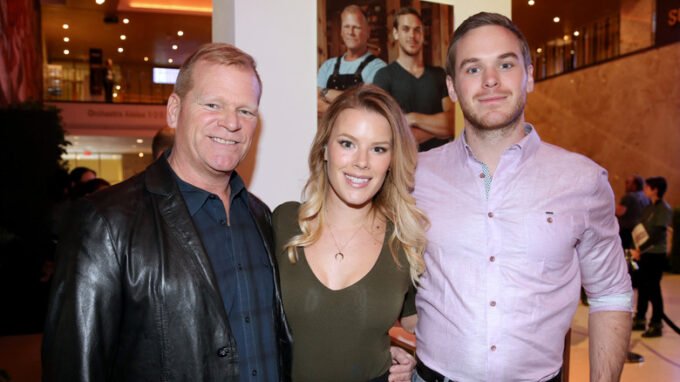



















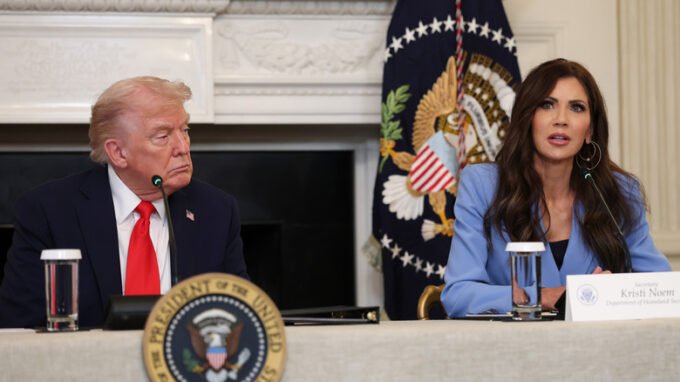
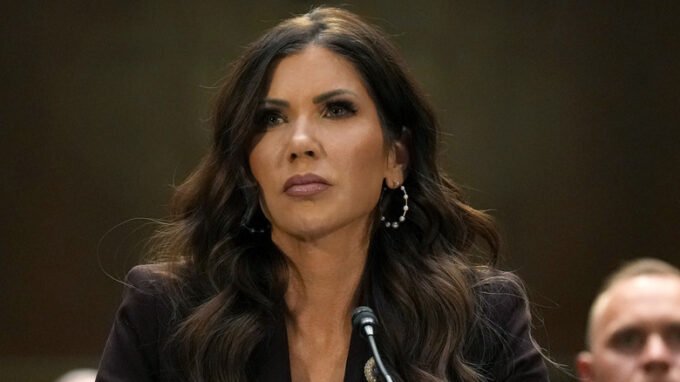
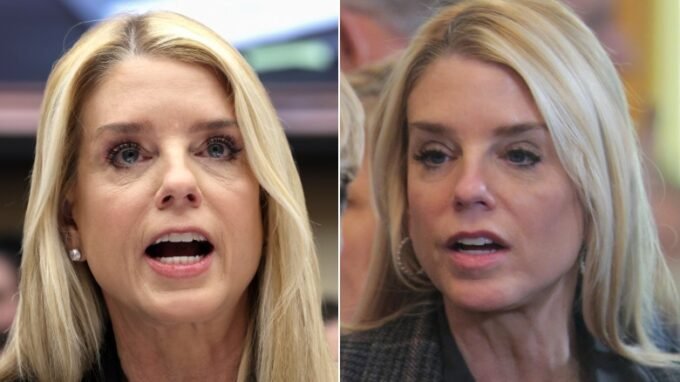

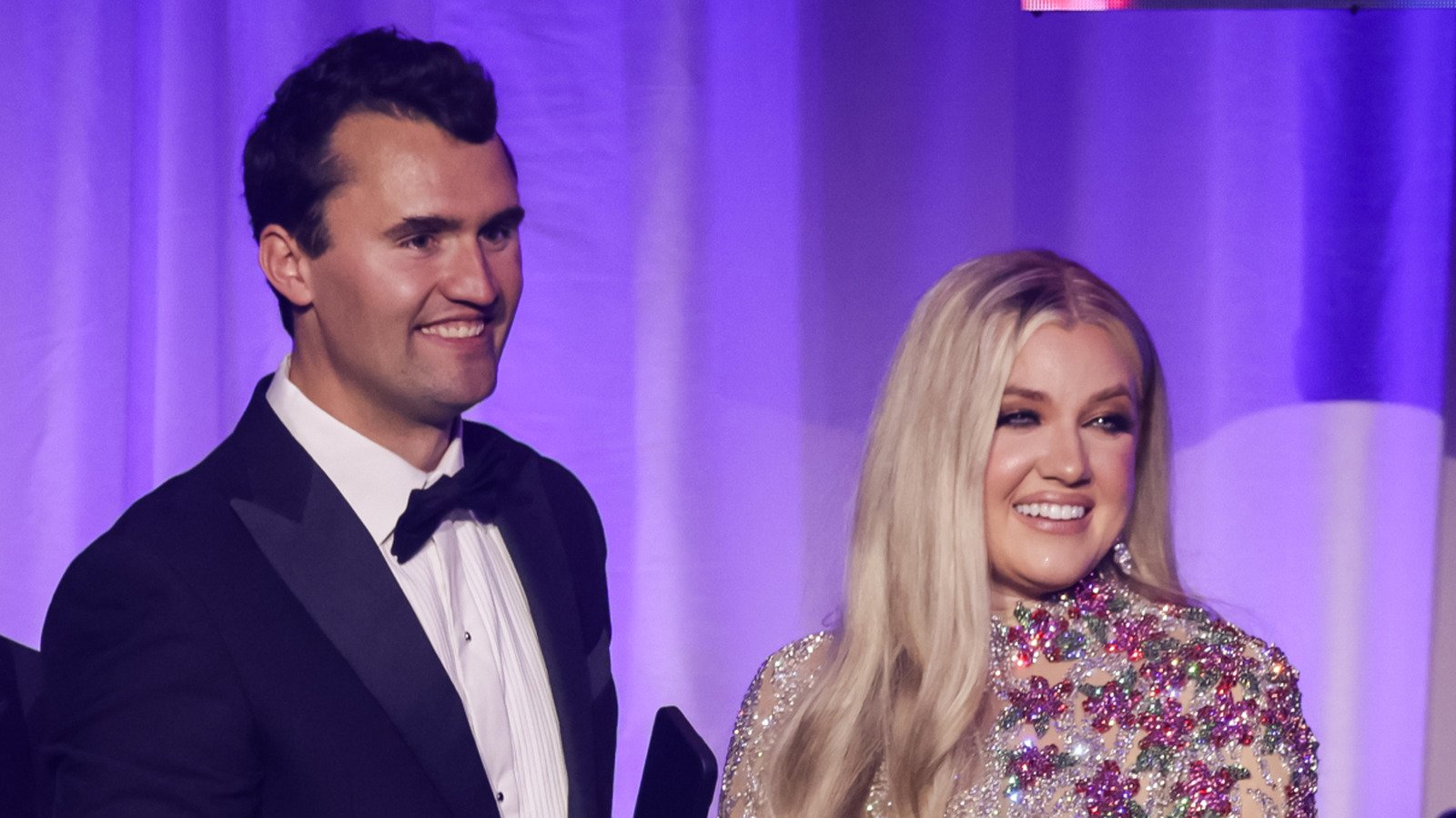
They tell the story like it’s a rom-com setup: she shows up at an office hoping for a job, he slides into her DMs, they meet for a burger in New York, and suddenly — boom — boyfriend. But the way Charlie and Erika Kirk met doesn’t land like a cute anecdote for a lot of people. It lands unevenly. It raises questions about power, professionalism, and how stories get tidied up into something softer than the reality probably was.
A meeting that felt like a job interview
Erika applied to work at Turning Point USA. She had an interview at the Phoenix headquarters and — according to the version we’ve all seen — afterward Charlie messaged her on social media and asked her to reach out. She agreed to meet him at Bill’s Burgers in New York City. That part’s straightforward. The awkward part comes next: she arrived not certain if the meeting was still about a job. It wasn’t, at least not in any conventional sense. Charlie later framed the encounter publicly with a line that is now widely quoted: “You’re gonna laugh, but you should absolutely interview for your spouse.”
ALso read: James Corden — The Aftermath of Late Night: A Look at the Change
Okay. You can see why people winced. The line is breezy, casual, maybe even charming to some. But for others it reads like a dismissal of norms — a blending of private and professional in a way that makes people uncomfortable. There’s a recruiter/applicant dynamic that usually carries an expectation of boundaries. Turning that into a pick-up line complicates things, especially when the person doing the recruiting is also the organization’s founder. That imbalance is what many critics called a red flag.
Why people reacted the way they did
On social media, the reaction was swift and mostly skeptical. Some folks asked, sharply: “Do Christian women know about sexual harassment?” Others said the whole story wasn’t a “meet cute” but an example of a man leveraging authority to start a relationship. Those are serious accusations — and they’re also immediate, visceral reactions to a story that mixes career opportunity with romance. People aren’t always patient with ambiguous scenarios; they like tidy moral frames. So when a narrative looks like it could be misuse of power, it quickly gets labeled.
It’s also worth noting how the story was packaged. Charlie and Erika presented their first meeting to the public as a kind of serendipity. They told it as something meant to charm listeners — and for some audiences, it did. But other audiences saw a different picture: one where professional expectations vanished into personal interest. That disparity between the couple’s telling and many onlookers’ reading of events is part of what kept the conversation alive.
Erika’s view: not about the job
Erika’s version is simpler and, in her telling, less fraught. She has said she left that meeting knowing she wasn’t getting the job. But she didn’t see that as a loss. She called her mother on the way home to report that, sure, she didn’t land the position — “but I got a boyfriend.” She later described meeting Charlie as a turning point; it shifted her priorities. She’s spoken about motherhood and family in ways that make it clear she embraced the path she chose. In her voice the story becomes less about workplace impropriety and more about life changing in an unexpected direction.
That perspective matters. People make choices, and agency is real. If Erika felt she was stepping into something she wanted, that complicates a simple “abuse of power” reading. Still, for many observers, consent and enthusiasm don’t erase the complications of the initial approach. A person can be excited to date someone who holds influence over their future job prospects — but the presence of that influence still colors the idea of consent in a workplace context.
Also read: When Photos Tell the Story: Karoline Leavitt and Nicholas Riccio’s Noticeable Age Gap
Private choices, public values
What makes the story stickier is the K irks’ public platform. As high-profile figures who spoke often about conservative family values, their private choices got picked apart against the backdrop of the public messages they promoted. For example, Charlie had made comments suggesting women aim to marry early; yet Erika was several years older than him when they married. She later became CEO of Turning Point USA after Charlie’s death — not exactly the “traditional housewife” role some might have assumed. That kind of mismatch between rhetoric and reality invites scrutiny. People notice when public figures don’t follow their own rules, and they’re quick to point it out.
I find that contrast interesting — and slightly ironic. On one hand the couple presented an image of conventional family values; on the other hand the details of their lives showed a different, messier reality. It’s human, right? People rarely fit a tidy template. But when the template is also a public ideology you’re selling to others, the messiness becomes fair game for criticism.
What this story tells us
There’s no neat moral to hang on the whole episode, except that context matters a lot. A meeting that seems playful or harmless in one telling can look coercive or awkward in another. And when workplaces mix with personal outreach — especially when one person holds hiring power — suspicion is natural. It’s not always about casting blame; sometimes it’s about recognizing how power influences choices, even when people are willing participants.
People will keep debating whether this was a harmless meet-cute or a problematic misuse of influence. For me, the lasting impression is less about accusing one person or the other and more about noticing how public narratives are smoothed out, how personal agency and structural power can coexist messily, and how the stories people tell about themselves don’t always match how others hear them.



![How me and my best friend got pregnant for my husband – Actress Omo Local [VIDEO]](https://wowplus.net/wp-content/uploads/2026/03/how-me-and-my-best-friend-got-pregnant-for-my-husband-actress-omo-local-video-200x300.jpg "When Two Pregnancies Collided: My Story — Omo Local’s Truth 136")
![Older men allow you get away with a lot of things – Joke Silva [VIDEO]](https://wowplus.net/wp-content/uploads/2026/03/older-men-allow-you-get-away-with-a-lot-of-things-joke-silva-video-200x113.jpg "Why Older Partners Sometimes Make Life Easier 137")




Leave a comment