



Table of contents
Paige VanZant spent the spring of 2016 learning choreography with Mark Ballas on ABC’s Dancing with the Stars. She was already a UFC fighter, accustomed to being watched as she competed. In the ballroom she had to learn how to let a partner lead, how to move with music and how to make a sequence of rehearsed steps feel natural in front of an audience.
VanZant and Ballas finished second. For viewers who followed the show without watching mixed martial arts, the result gave them a reason to remember her name. The audience that met her through fighting could also see a different kind of training put to work. Every featured performance came with a costume, a routine and a few minutes to make the work of rehearsal show up clearly.
Her career eventually included a paid subscription page on OnlyFans. Our earlier coverage of VanZant’s UFC and OnlyFans business looks at the financial side of that move. The ballroom offers a different starting point. It shows how she was already building a public career that gave people several reasons to tune in.
What Paige VanZant learned in a different kind of competition
A televised fight asks an athlete to respond to an opponent making independent choices. Rehearsing a dance with Ballas meant trying to make two sets of movements fit together. A change as small as where one person places a foot can affect the next step for both dancers. An audience can recognize coordination even when few people in the room can name the technique.
Competition gave the ballroom appearance a familiar frame. VanZant could start a week with a particular job, put in the hours and find out how the work held up in a live performance. For people who came to know her through sports, that routine offered a point of connection even when the skills on display were new to them.


She was back in UFC training later that year. In an August 2016 UFC interview, she spoke about developing the technical side of her fighting as she prepared for her return. The two commitments belonged to the same year of her career. A person seeing her on ABC and a person following her training camp were encountering different pieces of the same working life.
Taking the conversation to another audience
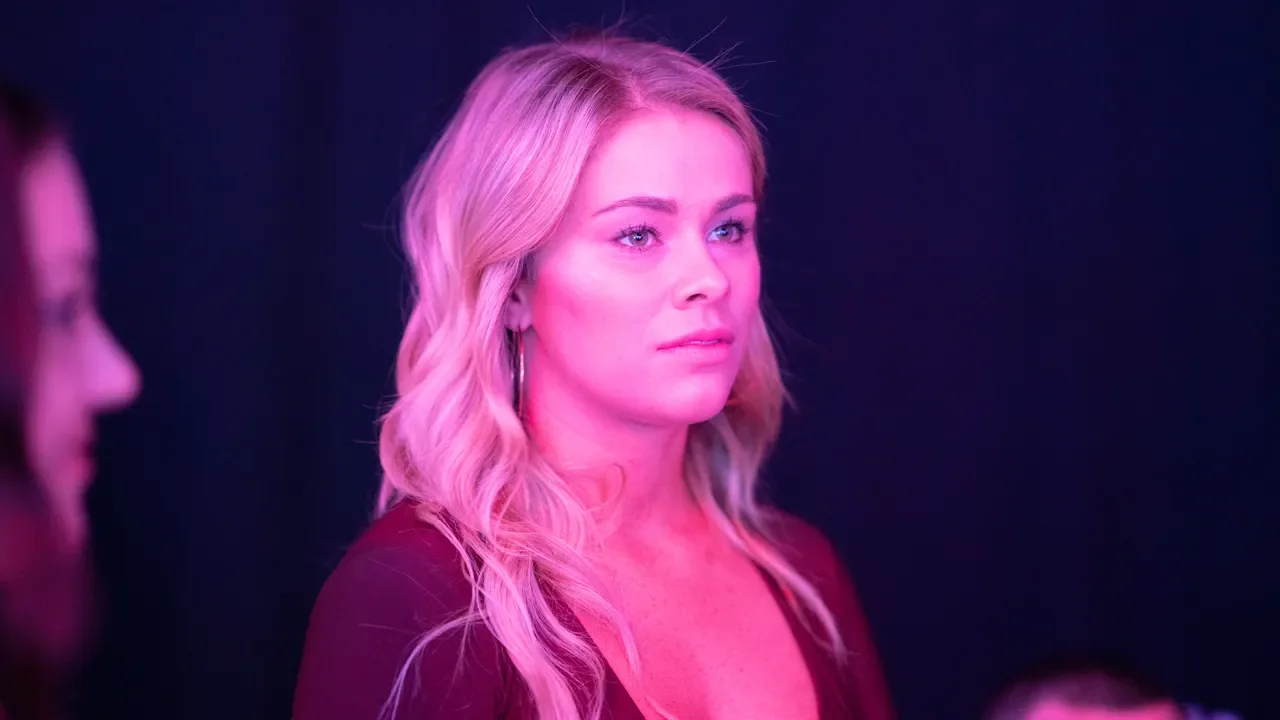
In 2018, VanZant appeared at Web Summit in Lisbon. The event’s channel shared a backstage conversation about her work as a fighter and the reason she was there. Photographs from the summit place her in the surroundings of a conference, with an audience that had gathered to hear people from industries well beyond combat sports.
Lisa Buckwitz’s account of finding support for her sport offers another example of an athlete using a public platform away from an event. Each stage creates a different kind of opportunity. The conference gave VanZant time to speak about her job and her career in a setting where the result of a fight was only one part of the story.
A convention interview can reach people long after the people in the room have left. Someone who discovers the clip later can hear an athlete explain a choice, describe a routine or talk about how they present themselves. Those jobs once depended heavily on broadcast appearances and interviews. VanZant’s later career also put some of them on channels where fans could follow her in their own time.


What OnlyFans changed about how people followed her
VanZant discussed her decision to make subscription content with Glenny Balls in a 2023 interview available on YouTube. She described OnlyFans as a meaningful part of her work and used the interview to explain the move in her own words. A fan joining the page was choosing to follow something VanZant helped shape directly, outside a television production or a fight card.
A subscription changes the rhythm of a public appearance. A fight or an episode gives people a date to remember. A creator who puts work behind a recurring subscription has to think about what followers see between those dates. The promise depends in part on the creator deciding what belongs on the page and how often to show up.
That difference also makes the older television work worth remembering. The same person can reach a new audience through a single performance, then build a more regular relationship with some of those viewers somewhere else. Each format comes with its own decisions about access. VanZant’s account of the move gives readers one example of how a public career can develop after people have seen a creator in several settings.
A similar change in audience appears in Dawn Marie’s move from wrestling appearances to subscriptions. For VanZant, the part of the story that stays with you is how far apart the stages look. A ballroom routine has a partner and a final beat. A conference has time for questions. A paid page gives the person behind it the job of choosing what followers will see next.


Isiagu Tobby
Wowplus editorial contributor.