



Table of contents
Tyler Posey has spent much of his public life being recognized as somebody else: Scott McCall, the central character in Teen Wolf. His work as a musician and subscription creator raises a different question. Once people know your name, how do you decide what that recognition should give them access to?
In an October 2020 interview with ET, Posey discussed both joining OnlyFans and considering a move from his band’s name to his own. He described the platform as a place for creativity and closer communication with fans. Those were public choices made by an adult performer: the interview identified him as 28 at the time.
The audience already had years of attachment to his screen work. Teen Wolf ran from 2011 to 2017, and our coverage of the cast’s 2017 farewell captures that earlier turning point. A recognizable television identity could help introduce a different kind of work, while also bringing expectations that the performer would need to navigate.
Why Tyler Posey put his name on his music
Posey’s explanation for considering a solo credit was practical. He told ET that more people recognized Tyler Posey than Five North, and that using his name could give him and his collaborators greater exposure. He was discussing how to present the music to listeners, rather than announcing that the people making it with him had disappeared.
His July 2021 NME interview placed that decision within a longer musical history. He had played in bands including PVMNTS and Five North, and described wanting acting and music to remain important parts of his career. The solo name gave an existing interest a more direct connection to an audience that already knew him.
That distinction matters when an actor releases music. Familiarity can get someone to press play, but it cannot do the listening for them. A song still has to establish its own character. Using an established name is a distribution advantage; the creative task is giving that audience a reason to stay beyond recognition.

Fan access came with expectations
The subscription experiment also brought competing expectations. In the same 2021 NME conversation, Posey said some requests from subscribers had made him feel objectified. He described trying to offer a view of his life that he did not share elsewhere. His account shows the distance that can emerge between a creator’s intended format and an audience’s assumptions.
A paid platform can make that distance particularly visible. Customers may think in terms of what they want to receive, while the creator is deciding what they are comfortable producing. A fee does not settle every question about the relationship. The format still depends on a clear understanding of what is actually being offered.
Posey’s 2020 enthusiasm and his later discussion of discomfort belong to different moments. Read together, they describe an experiment whose meaning changed as he experienced it. They do not establish his current account activity or a permanent verdict on subscription platforms. The useful story is the choice he described about how to participate.
There is a related question of personal agency in Neyleen Ashley’s public discussion of celibacy and inner peace. The situations are different, but both invite readers to consider a creator’s stated boundaries alongside a public image. Visibility can make a person familiar without making every part of their life available.
An independent album made the choice tangible
The music provides something concrete to examine beyond the debate about access. Apple Music dates Unravel to May 26, 2023 and lists 16 songs running approximately 44 minutes. Its displayed phonogram credit names Tyler Posey. That is an identifiable body of released work, with a track sequence and a listening experience of its own.
In his April 2023 conversation with Kyle Meredith for Louisville Public Media, Posey described choosing an independent release after working with John Feldmann and Big Noise. He wanted to experience greater control and acknowledged the demands of taking on more responsibility. The appeal of independence, in his account, came with work attached.
That interview also identifies production contributions from Feldmann and Matt Malpass. Posey described Unravel as more varied than the earlier Drugs EP and encouraged listening in order. Independence therefore did not mean the absence of collaborators. It concerned the direction of the project and the decisions he wanted to make about it.
An album offers a different kind of encounter from a subscriber message or a short social post. The listener can return to it without asking the artist for another personal disclosure. Its sequence can build a mood, interrupt one or change direction. For a performer associated with a familiar screen character, that format creates space to establish another voice.

Acting and music share the same room
The two careers also met directly. Speaking to Substream in February 2023, Posey discussed “Lemon.” as the end-credits song for Teen Wolf: The Movie. He had wanted a song in the film, and the credits placement gave that work a specific dramatic function: carrying the audience’s feeling beyond the final scene.
In that interview, he also described working on the song’s video with a friend and discussed the difficulty of giving acting and music equal attention at once. His solution was to shift focus between projects. That is a more useful picture of a working creative career than assuming several interests can all receive unlimited time simultaneously.
The film’s return had already been anticipated in our 2022 report on the Teen Wolf revival cast. For Posey, returning to that world and making music were compatible activities. The existing audience became a possible meeting point between them, with the song adding a contribution beyond his performance on screen.
A career told through choices of format
Now 35, based on the October 18, 1991 birth date in Us Weekly’s public biography, Posey has a career that can be followed through choices of format. A television role, a subscription page and an independently released album each create a different relationship with an audience. None needs to be treated as the complete definition of the person.
His interviews offer a practical way to read that career: follow the decisions he actually explains. He considered how his name could help listeners find the music, described limits around subscriber expectations and discussed the responsibility of releasing an album independently. Those choices are specific enough to examine without guessing at private motives or earnings.
The most revealing connection is between authorship and boundaries. Posey wanted more room to make things under his own name, while also deciding what kind of access felt right to him. A public career can contain both ambitions. The audience gets the work and the choices he makes public; the rest does not have to become part of the product.
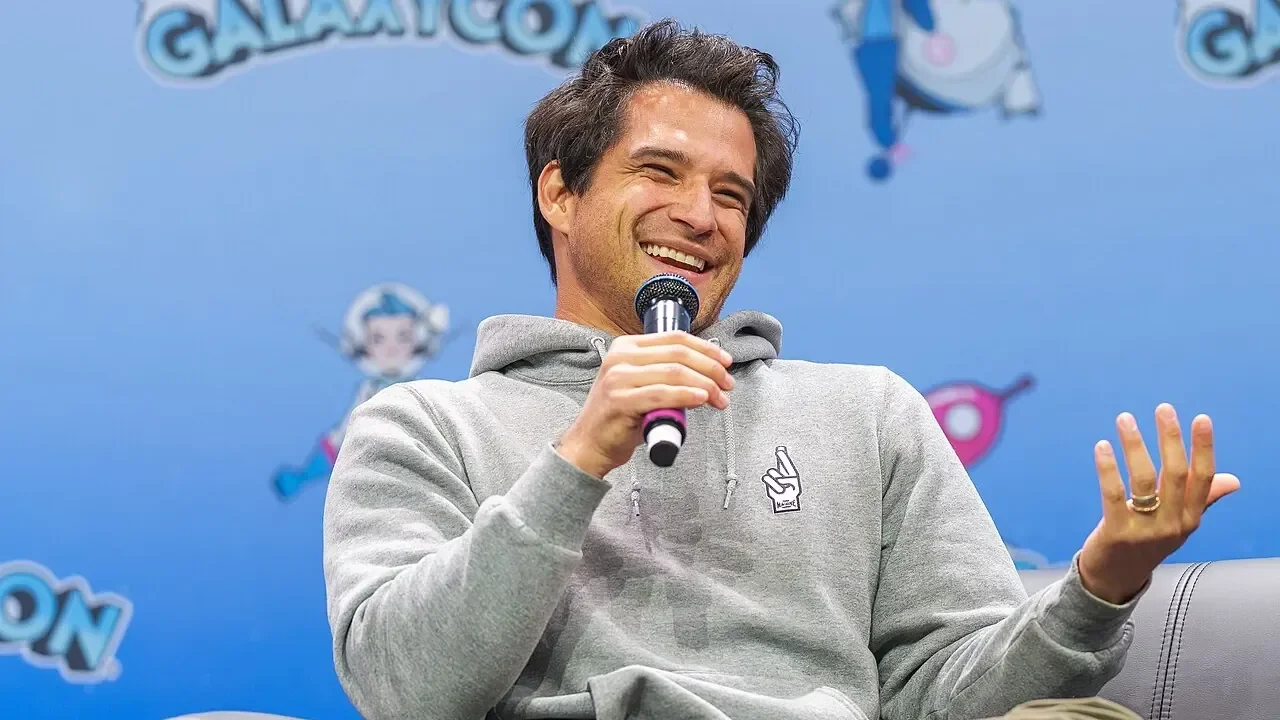
Featured portrait: Tyler Posey at GalaxyCon Richmond, March 19, 2026. Photo by John E. Manard / Wandering Dork Photography LLC, via Wikimedia Commons, CC BY-SA 4.0. Cropped, resized and converted to WebP; adaptation licensed CC BY-SA 4.0. Source: commons.wikimedia.org/wiki/File:Tyler_Posey_at_Galaxy_Con_Richmond_(55177563609).jpg. License: creativecommons.org/licenses/by-sa/4.0/.


Isiagu Tobby
Wowplus editorial contributor.