
![King Mitchy’s apology decoy to attack me – VDM raises alarm [VIDEO]](https://wowplus.net/wp-content/uploads/2026/03/king-mitchys-apology-decoy-to-attack-me-vdm-raises-alarm-video-680x408.jpg "VeryDarkMan Raises Alarm Over King Mitchy Apology, Says Something Feels Off 2")




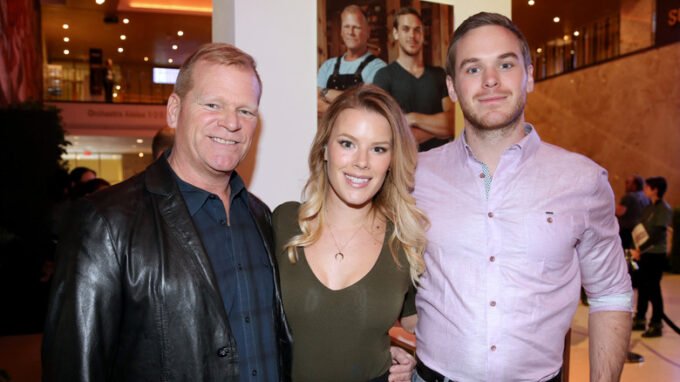























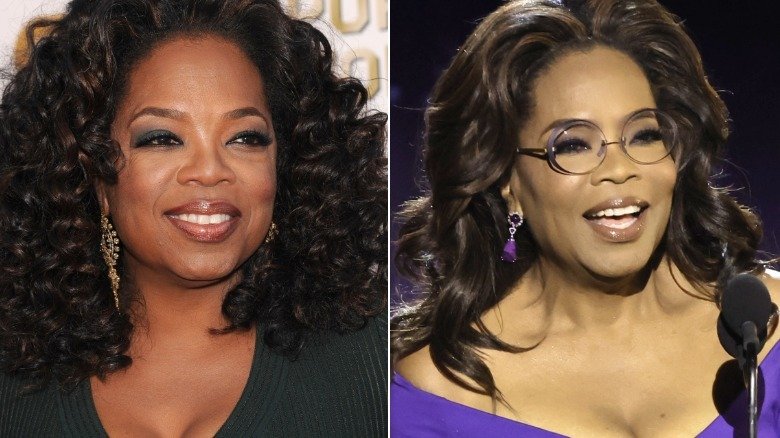
The phrase “Ozempic face” has become part of pop culture shorthand, describing the hollowed or gaunt look some people develop after rapid weight loss linked to GLP-1 medications. But there’s another term gaining traction — “Ozempic neck” — referring to sagging or banding skin around the neck area following significant weight loss. Recently, close-up photos of Oprah Winfrey have fueled online conversations about the phenomenon.
While Winfrey has never confirmed using Ozempic specifically, she revealed in a December 2023 interview with People that she began taking a GLP-1 prescription weight-loss medication after years of struggling with her weight. GLP-1 agonists — a class that includes drugs like Wegovy and Mounjaro — work by regulating appetite and blood sugar levels.
“I’m absolutely done with the shaming from other people and particularly myself,” Winfrey told the magazine, explaining that her perspective shifted after consulting medical experts for her special, The State of Weight. She emphasized that the medication is only part of the equation, adding that regular exercise and mindful eating are essential for it to work effectively.
Also read: Public Figures Who’ve Clashed With Former CNN Host Don Lemon
What Is ‘Ozempic Neck’?
 Kevin Winter/Getty & DFree/Shutterstock
Comparisons of Winfrey’s photos from 2014 to 2024 show noticeable changes in her appearance. Observers point to looser skin and more visible vertical neck bands — features often associated with rapid or significant weight loss. While the term “Ozempic neck” isn’t a formal medical diagnosis, it’s commonly used online to describe sagging or wrinkling in the neck area after fat loss.
Experts note that rapid weight loss can reduce underlying fat that once supported the skin, sometimes resulting in a more hollow or lax appearance. However, factors like age, genetics, hydration, and overall skin elasticity also play major roles.
Also read: The 2026 BAFTA Awards Turned Into a Red Carpet Fashion Flop
Oprah Has No Regrets About Her Weight Loss

Despite online chatter about “Ozempic neck,” Winfrey has been open about feeling healthier and more at peace since losing nearly 50 pounds. In a 2025 interview, she stressed the importance of gradual dosing and medical supervision when using GLP-1 medications.
“You need to start slow and gradual,” she said. “If you start by taking too much at one time, you have more of a chance of messing yourself up.”
Medical professionals echo that advice. Doctors often recommend closely monitoring the rate of weight loss to minimize potential side effects like loose skin. Lifestyle factors — including hydration, sleep, strength training, and balanced nutrition — can also support skin elasticity during weight loss.
Winfrey has shared that she eliminated alcohol, committed to consistent exercise, and prioritized long-term health rather than quick fixes. For her, the benefits appear to outweigh the aesthetic downsides.
“Everything is just calmer and stronger,” she told People. “I hardly recognize the woman I’ve become. But she’s a happy woman.”
Also read: Eric Dane’s Final Message to His Daughters Leaves Fans in Tears
A Personal Choice in the Public Eye
As with many high-profile figures, Winfrey’s weight loss transformation has sparked intense scrutiny. Terms like “Ozempic face” and “Ozempic neck” may trend online, but they often oversimplify complex health decisions.
For Oprah Winfrey, the conversation ultimately centers on well-being rather than appearance. While close-up photos may fuel speculation, she has made it clear that her journey is about health, confidence, and self-acceptance — not public approval.


![‘I’m no longer at peace’ – Concerns as Eleyele singer Busola Oke shares disturbing message [VIDEO]](https://wowplus.net/wp-content/uploads/2026/02/im-no-longer-at-peace-concerns-as-eleyele-singer-busola-oke-shares-disturbing-message-video-300x300.jpg "Concerns Grow After Busola Oke Shares Emotional Message Online 137")

![How me and my best friend got pregnant for my husband – Actress Omo Local [VIDEO]](https://wowplus.net/wp-content/uploads/2026/03/how-me-and-my-best-friend-got-pregnant-for-my-husband-actress-omo-local-video-200x300.jpg "When Two Pregnancies Collided: My Story — Omo Local’s Truth 140")
![Older men allow you get away with a lot of things – Joke Silva [VIDEO]](https://wowplus.net/wp-content/uploads/2026/03/older-men-allow-you-get-away-with-a-lot-of-things-joke-silva-video-200x113.jpg "Why Older Partners Sometimes Make Life Easier 141")




Leave a comment