































This year was by far the most devastating wildfire season on record in Nova Scotia, with blazes burning through more than 25,000 hectares of land and 200 homes across the province.
According to the provincial government, a total of 220 wildfires impacted approximately 25,096 hectares this season, which typically runs from April to mid-October.
While the total number of wildfires has been higher in previous years, the impacted areas have never been so far-reaching.
This season was devastating both in terms of how much land was burned but also its direct impact on Nova Scotia families.
More than 150 homes were lost in a wildfire that started in Upper Tantallon, N.S., just outside Halifax on May 28.
On the province’s southwestern tip, about 60 homes and other structures burned in the province’s largest wildfire on record, which broke out that same weekend and affected 23,525 hectares.
The following graphic illustrates what 25,096 hectares looks like:
Scott Tingley, manager of forest protection for the provincial Department of Natural Resources, said weather was the key factor in the spread of the fires and why they took so long to bring under control.
Tingley said less snow over the winter, combined with a dry spring, made for an excellent breeding ground for wildfires. Moreover, crews contended with dry conditions and high winds during the outbreak of those fires.
“This was an unprecedented season across Canada, not just in Nova Scotia, which was another one of the challenges,” said Tingley, adding the department is in the process of reviewing its wildfire response this season in order to prepare for next year.
“When we were really busy, a lot of the agencies we rely on and support when they’re busy, they were busy at the same time.”
Earlier this month, Natural Resources Minister Tory Rushton said a debrief of the wildfire season would be coming soon. He said his department would review the need for more water bombers and make a decision by the end of the fiscal year.
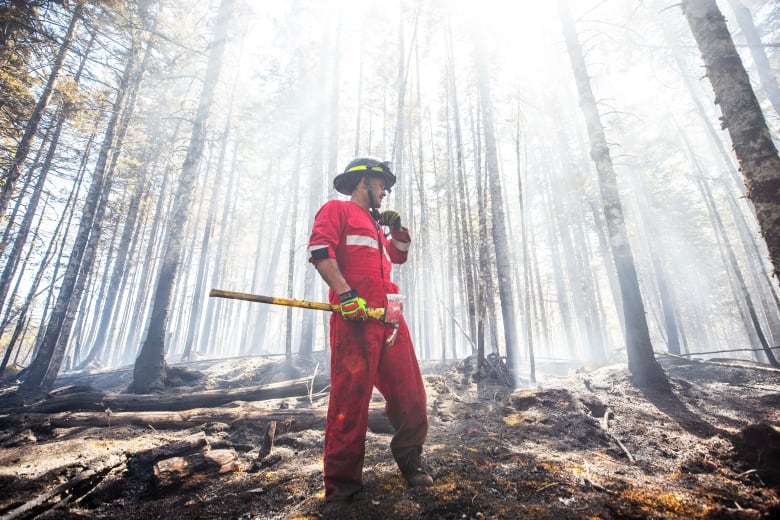
Tingley said it’s hard to say what next wildfire season could bring given the role that weather plays, but Nova Scotians should be prepared for increased fire activity going forward.
“We will probably see larger and challenging fires no doubt within the coming years,” said Tingley, who spoke from the provincial wildfire centre in Shubenacadie, N.S. “And so we need to be prepared for that, there’s no question.”
In Shelburne County, scars of that wildfire are very much visible five months later. Drivers encounter blackened trees for a 10-kilometre stretch on both sides of the main highway into the historic fishing and shipbuilding community.
“It’s a constant reminder for those that make that trip daily,” said Shelburne Fire Chief Darrell Locke.
Locke said he believes Nova Scotians have a heightened sense of nature’s power in a year that also saw devastating flooding throughout the province.
“I think major events in the province have drawn communities maybe a little bit closer together,” he said. “Neighbours are looking after neighbours a little bit better.”
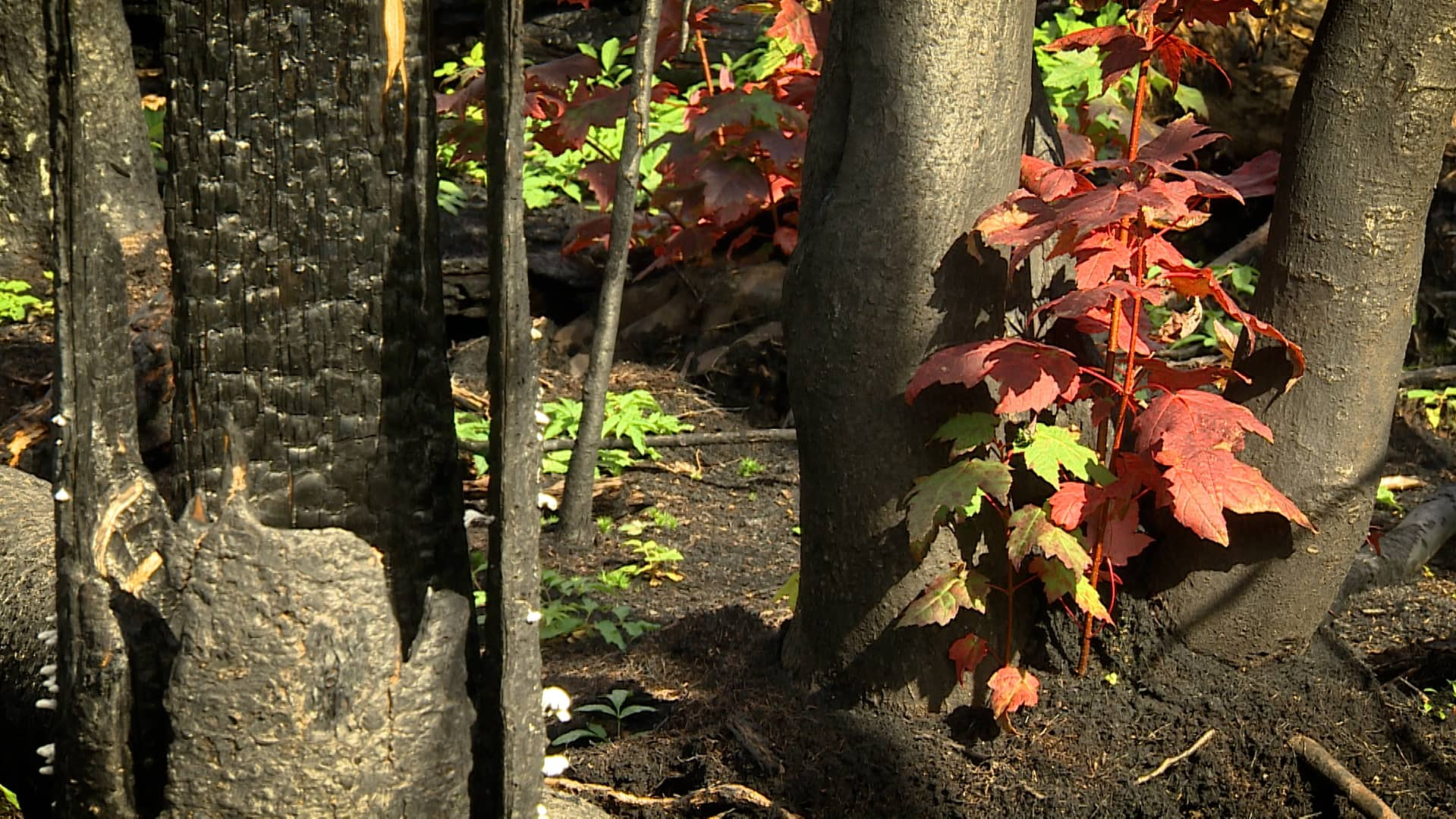
Featured VideoCBC Information Morning’s Portia Clark rides with District Fire Chief Amos Robia through parts of Tantallon, N.S., six months after wildfires burned through the area.
Signs of regrowth have been sprouting up among the charred trees in the Upper Tantallon-Hammonds Plains area following that wildfire.
Halifax Regional Fire and Emergency district fire chief Amos Robia recently visited the scene for the first time since the wildfire was declared extinguished.
“When the fire came through, it took everything with it. The heat was tremendous,” said Robia, gesturing to new greenery on the lot of a burned down home.
“[The regrowth] is definitely positive for the community.”
Looking ahead to next year, the fire officials agree that the best wildfire prevention is to burn responsibly and abide by provincial burn restrictions.
According to the Department of Natural Resources website, 97 per cent of wildfires are caused by human activity, “mostly accidental but sometimes deliberate.”
“These are preventable fires,” said Tingley. “That’s the key to not getting in the situations we were in this summer.”


![Seyi Law makes U-turn, apologizes for saying Nigeria is safer than 10 years ago [Video]](https://wowplus.net/wp-content/uploads/2026/02/seyi-law-makes-u-turn-apologizes-for-saying-nigeria-is-safer-than-10-years-ago-video-680x680.jpg "Seyi Law Backtracks on “Safer” Nigeria Comment 140")
![Seyi Tinubu is threatening my life – VeryDarkMan cries out [VIDEO]](https://wowplus.net/wp-content/uploads/2026/02/seyi-tinubu-is-threatening-my-life-verydarkman-cries-out-video-200x120.jpg "“I’m Scared — VeryDarkMan Says Seyi Tinubu Threatened Him” 141")





![Seyi Law makes U-turn, apologizes for saying Nigeria is safer than 10 years ago [Video]](https://wowplus.net/wp-content/uploads/2026/02/seyi-law-makes-u-turn-apologizes-for-saying-nigeria-is-safer-than-10-years-ago-video-200x200.jpg "Seyi Law Backtracks on “Safer” Nigeria Comment 163")


Leave a comment