Table of contents
Class CrunchLabs is giving Mark Rober’s science videos a new destination: the classroom. The creator’s first courses launched on YouTube in September 2026, turning his familiar mix of engineering, humour and large experiments toward structured lessons. The interesting change is not simply that pupils can watch him at school. It is the work involved in connecting a video with something they can investigate themselves.
For an influencer known for building things, the move keeps a recognisable identity while changing the audience’s role. A viewer can enjoy an experiment without explaining its result. A pupil working through a unit needs time to make a prediction, test an idea and discuss what happened. That difference is central to understanding the project.
What launched and what remains a plan
In its September 29 announcement, YouTube identified the first courses as Carnival of Collisions and Mission Maglev. They cover contact forces and magnetic and electric forces, with videos accompanied by teaching resources and activities. The launch article describes the initial classroom focus as grades six to eight.
The same announcement sets out an ambition for more than 1,000 videos in 34 languages across the full programme. That is a planned scale, not a count of material independently verified as available today. Its stated goal of reaching 70 percent of US classrooms by 2030 should likewise be read as an aspiration rather than a result already achieved.
Building a separate classroom identity is a different kind of expansion from taking a successful show into other entertainment products. Wowplus’s feature on Rhett and Link’s Mythical world examines another route by which creators extend familiar work. In each case, the new format needs to offer something beyond recognition of the people on screen.
Where teachers enter the process
The CrunchLabs.org foundation describes a resource combining videos, classroom challenges and teacher support. Its site lists preparation videos, teaching guides and assessment materials, and says the programme was developed alongside the National Science Teaching Association. The classroom curriculum is presented as free and open access, separate from the company’s commercial science-kit products.

Teacher preparation is a concrete part of that offer. The NSTA has listed a November 4 workshop in Indianapolis about using the curriculum’s kinetic-energy material. Its description includes interactive video assessments, student portfolios called Mission Logs and reflection activities. Those are teaching tools around the videos, rather than a proposal to replace a lesson with passive viewing.
The workshop listing also contains an important distinction for fans: Rober will not attend that session. It is an educator-led professional learning event, and the listing allows only the possibility of a video message. Keeping that detail clear prevents the creator’s name on a programme from being mistaken for a personal appearance.
For teachers considering any new resource, a useful first step is to review one complete unit. The questions are practical: what needs preparing, how long does an investigation take, what equipment is required and how will pupils show their reasoning? A well-known presenter may attract attention, but those classroom details determine whether the material fits a particular lesson.
A longer history of making science visible
Rober’s engineering background predates his online fame. A 2021 profile by his university, Brigham Young University, describes work at NASA’s Jet Propulsion Laboratory and his later creative projects. It includes accounts from a former supervisor, providing a professional history behind the elaborate contraptions that became familiar to viewers.
In his own PBS Brief But Spectacular contribution, published in January 2025, he discussed curiosity and making engineering approachable. The accompanying classroom material invites pupils to discuss creativity rather than merely admire a finished invention. That earlier appearance helps place the current education project within an established interest.
Science communication can take several forms, from a personal demonstration to explaining the work of a larger team. Our profile of Mae Jemison’s work beyond her historic flight offers another perspective on the public life of science. The relevant connection is the effort to make a technical career understandable to people outside it.

Entertainment, engineering and the next test
Rober’s experiments also circulate as entertainment. Netflix’s listing for Mark Rober’s CrunchLabs includes episodes about squirrel challenges, a glitter-bomb project and a selfie-taking satellite. The programme packages familiar engineering stories for a streaming audience; that is a different use from a sequence of classroom investigations.
The satellite itself involved specialist partners. Redwire’s December 2024 announcement describes providing a camera for SAT GUS, a CrunchLabs project involving Google Pixel and T-Mobile. It is a useful reminder that a creator-facing presentation can rest on work by several organisations. The person explaining an experiment is not necessarily its only contributor.
Large audiences can support projects beyond entertainment, but their outcomes still need to be assessed individually. The public-service role discussed in our feature on Khaby Lame’s UNICEF work illustrates another way a creator’s reach can be applied. Visibility provides an opening; it does not by itself establish the impact.
For Class CrunchLabs, the next meaningful story is how teachers and pupils use the materials over time. The launch establishes the courses and their intended direction. Evidence about adoption and learning will have to follow. For now, the project makes Rober’s transition clear: from inviting people to watch an impressive build to giving classrooms a framework for asking how it works.
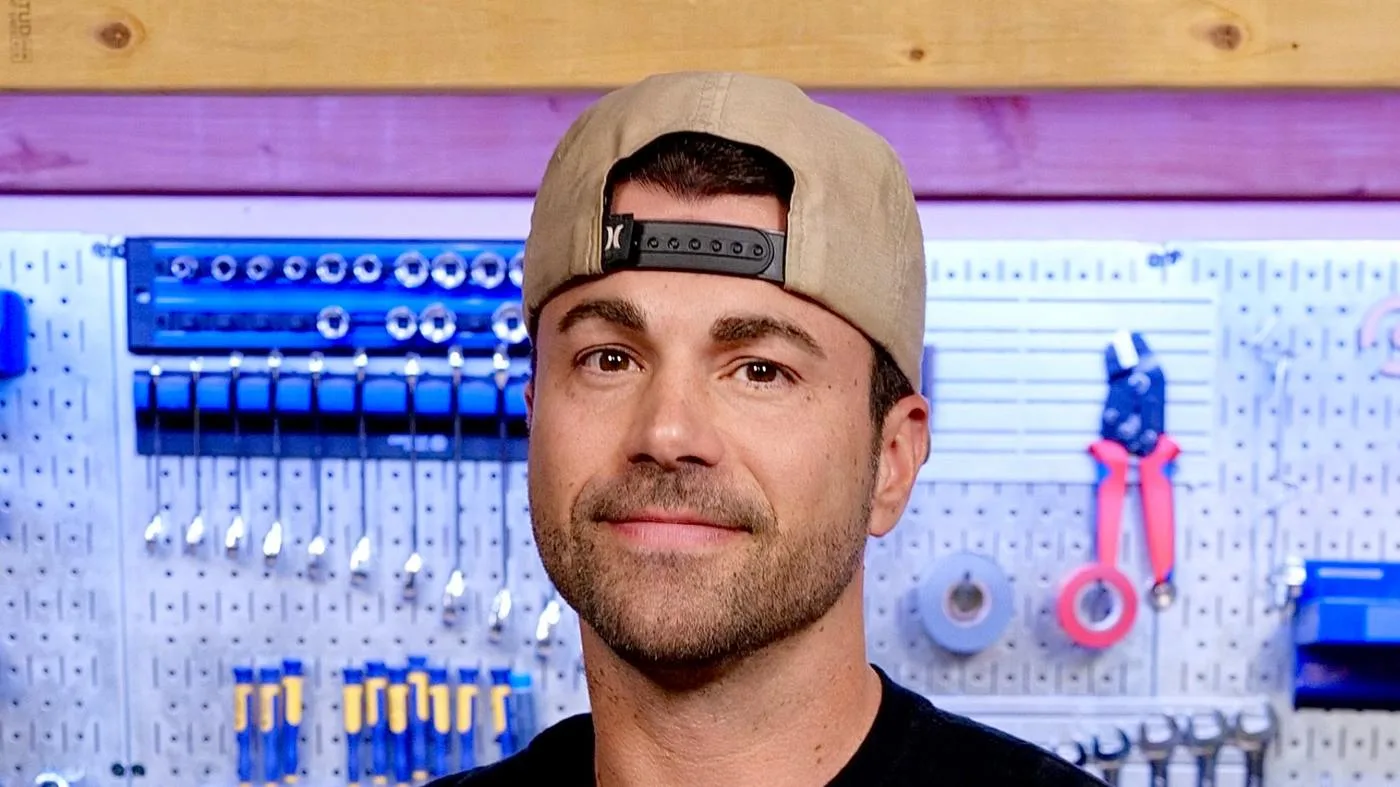
Featured archival photograph: Newhcrossaint / Wikimedia Commons, January 2025, CC BY-SA 4.0 (https://creativecommons.org/licenses/by-sa/4.0/). Cropped and resized under the same licence; not a photograph of the 2026 launch.


Isiagu Tobby
Wowplus editorial contributor.