



Table of contents
- How the alleged divorce hoax reached the courts
- Being served made the hoax harder to ignore
- Why the case is different from ordinary celebrity gossip
- Public information can be turned into convincing paperwork
- The wider risk for OnlyFans creators and influencers
- Impersonation can affect families as well as brands
Lena the Plug fake divorce filing has developed into a disturbing case about impersonation, privacy and the ease with which an online hoax can spill into the legal system.
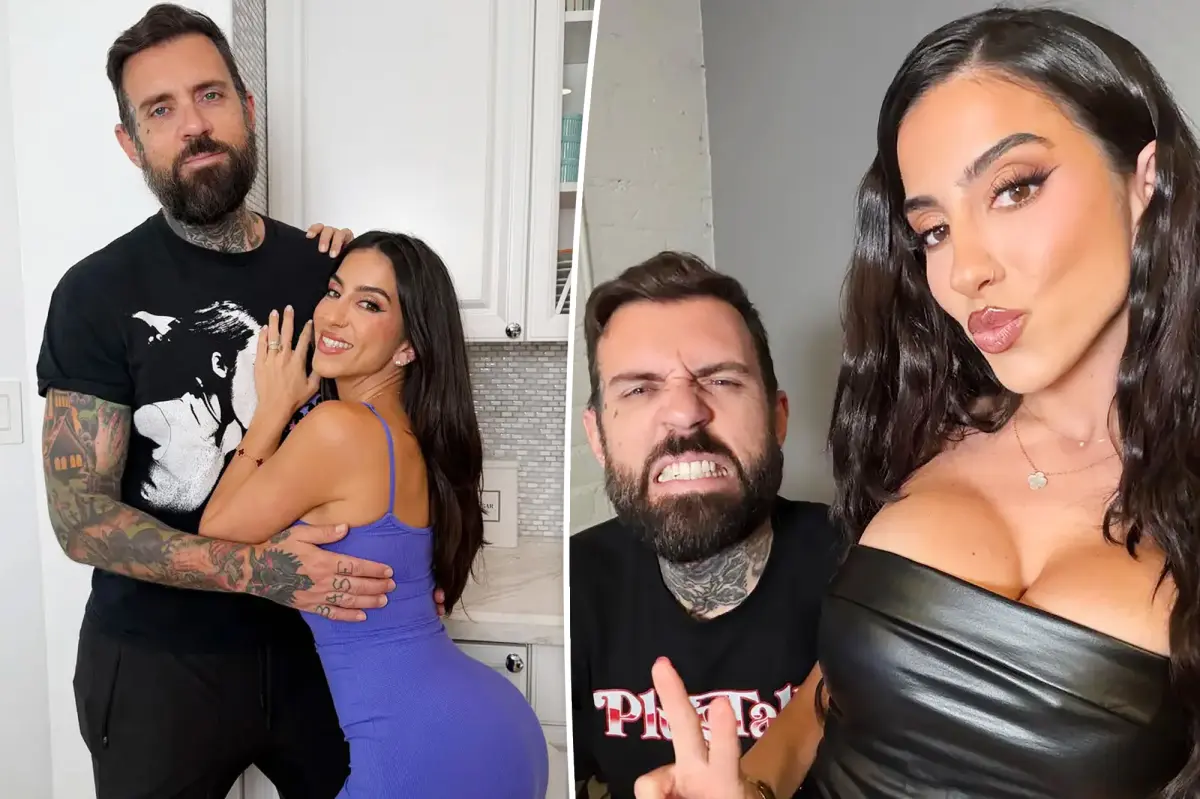
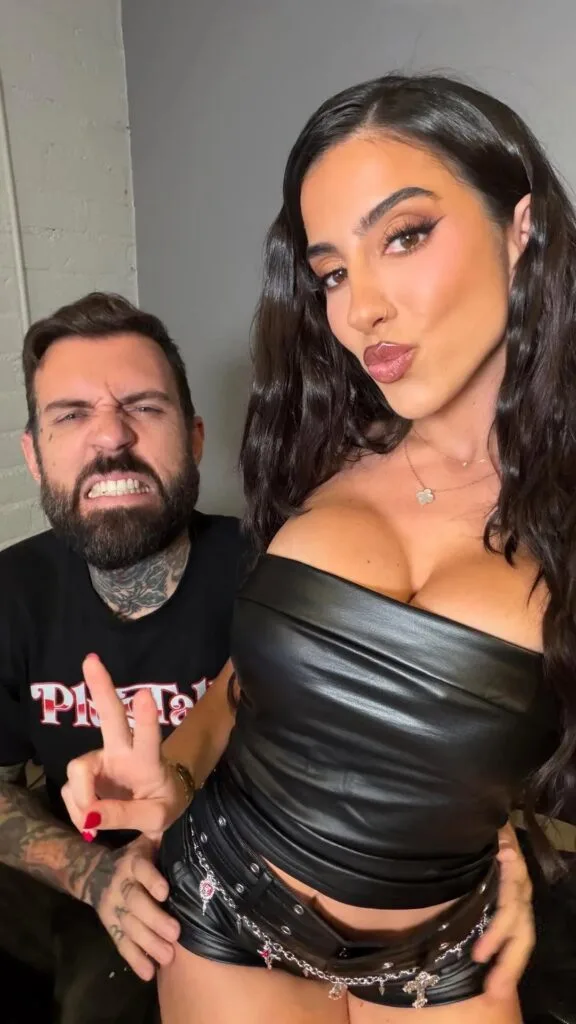
The OnlyFans creator, whose name is Lena Nersesian, and her husband Adam Grandmaison, widely known as Adam22, have both said that they are not divorcing. Their response followed reports that someone allegedly pretending to be Lena filed court papers and later arranged for Adam to be served at a property in Studio City, California.
The couple’s account turns what initially looked like celebrity relationship news into something more serious. According to their public statements, the filing was not a publicity stunt organised by them and did not reflect a private separation. They say it was the work of a person who has been impersonating Lena and submitting false documents.
That distinction matters in an online culture where creator relationships are often treated as public entertainment. Wowplus recently examined how Taylor Ryan’s OnlyFans career faced pressure after a real public breakup. In Lena and Adam’s case, however, the central issue is that the breakup itself is alleged to be fabricated.
How the alleged divorce hoax reached the courts
The disputed case reportedly began with a divorce petition filed in June. The person named as the petitioner claimed to be Lena and sought orders involving the couple’s marriage, property and young daughter. Lena and Adam have said the person behind the filing is not connected to their family and had no authority to act on Lena’s behalf.

Being served made the hoax harder to ignore
The matter escalated when Adam said he was formally served with divorce papers. Even when a filing is false, legal documents cannot simply be treated like an ordinary rumour on social media. A person named in a case may need to respond, contact lawyers and provide evidence showing that the filing was fraudulent.
Lena said she had already been dealing with impersonation and false legal activity for months. She also stated that she made a police report in May. Those claims have not revealed every detail of the investigation, but they show why the couple describe the situation as more than an internet prank.
The papers reportedly included personal and financial claims, along with a request related to custody of the couple’s daughter. That element has drawn particular concern because it placed a child inside a dispute that Lena and Adam say was invented by a stranger.
Creators who build businesses around access to their personal lives can face unusual privacy risks. The line between a public persona and a private legal identity is not always clear to followers. Wowplus explored another side of that problem in its report on Camilla Araujo’s attempt to reshape her brand beyond OnlyFans, where control over a creator’s public image became central to the story.
Why the case is different from ordinary celebrity gossip
Celebrity breakup rumours are common, especially when a couple posts less often or appears separately at public events. Most disappear after a denial. An alleged court impersonation is different because it uses official systems and can create obligations even when the underlying claims are untrue.
Public information can be turned into convincing paperwork
Lena and Adam have spoken publicly about their relationship, marriage and work for years. They have also shared parts of their family life through podcasts and social platforms. That visibility can make it easier for an impersonator to collect names, addresses, dates and other details that make a false document look credible at first glance.
The couple began dating in 2016 and married in 2023. They have frequently appeared together in online content and have discussed the unconventional parts of their relationship openly. Their willingness to talk about private subjects has made them successful creators, but it has also encouraged some viewers to believe they are entitled to participate in or control the couple’s personal story.
Adam has publicly supported Lena’s denial and said their marriage remains intact. Their united response is important because the alleged filing could otherwise be mistaken for a genuine case that one spouse was trying to dismiss in public.
The situation also highlights the administrative burden caused by identity misuse. Lawyers may need to challenge the filing, courts may need to verify signatures and police may need to examine who submitted the documents. What looks like a few pages of paperwork can consume significant time and money for the people targeted.
That pressure is familiar to independent creators who must manage both a public brand and the practical side of a business. Wowplus previously profiled Quinn Everly’s move from OnlyFans creator to talent management, showing how much unseen legal, financial and operational work sits behind online fame.
The wider risk for OnlyFans creators and influencers
OnlyFans personalities often rely on direct engagement with subscribers. That closeness can create loyal communities, but it can also encourage unhealthy ideas about access. A small number of followers may begin to believe they have a personal relationship with a creator who does not know them.
Impersonation can affect families as well as brands
For a creator, impersonation is not limited to fake social-media profiles selling subscriptions. It can involve false contracts, financial requests, copied identification or legal filings. When a spouse and child are named, the consequences extend beyond lost income or damage to a brand.
Lena has described the alleged impersonator as a stalker, while Adam has said the divorce documents are fraudulent. Those are serious claims, so it is important not to identify or accuse any individual without verified evidence from authorities or court findings.
The couple’s public statements also leave some questions unanswered. It is not yet clear how the disputed filing passed initial administrative checks, whether the person responsible has been identified or what steps the court will take to remove or correct the case record.
What is clear is that Lena and Adam reject the central claim behind the papers. They say they remain married and are dealing with an unwanted legal problem rather than negotiating a separation.
The story is likely to continue as the court and any investigating authorities examine the documents. Until then, reports should distinguish carefully between the existence of a filing and the truth of what it claims. A document appearing in a court system can be newsworthy without being genuine.
For Lena the Plug and Adam22, the immediate task is not explaining the end of their marriage. It is proving that a stranger, as they allege, tried to write that ending for them.


Isiagu Tobby
Wowplus editorial contributor.