













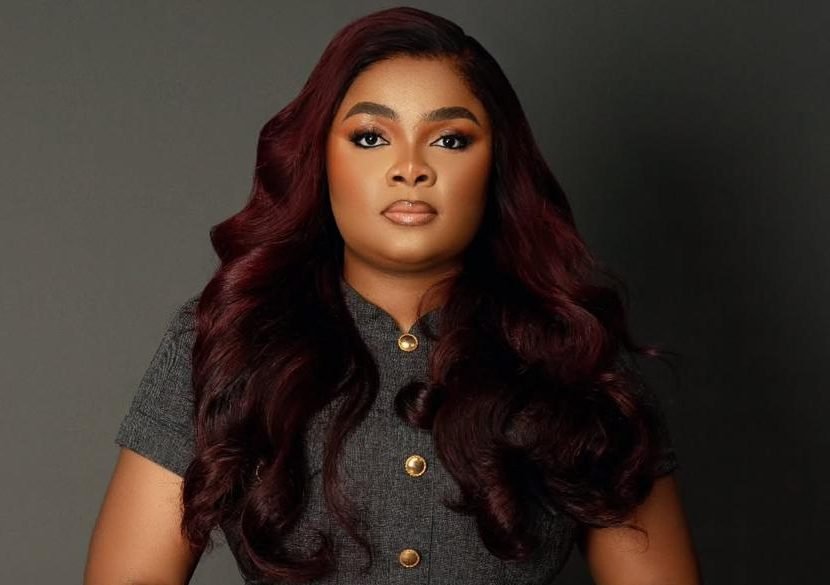
It’s the sort of thing that makes you angry and a little exhausted at the same time. Bimbo Ademoye, who’s spent years building a name for herself in Nollywood, found out the hard way that even careful people get blindsided. She woke up to discover that the monetisation on her movie, Where Love Lives, had been taken down. That’s a simple sentence, but it carries a weight: views still happen, people still watch, but the money that should have come to the filmmakers was suddenly diverted. And that doesn’t just sting — it threatens the work she and others put into the film.
What pushed her over the edge was a claim on a song used in the movie. A song she says she fully owns, that she says was used with the artist’s approval. Which makes the next part baffling and enraging: someone named Emmanuel Davies allegedly filed copyright claims on that same track and, by doing so, allegedly took the monetisation for himself. So, the revenue that should have flowed to the film—payments for streaming, essentially—was redirected. If that’s true, it’s not just a paperwork problem. It’s theft, plain and simple.
She didn’t rush to broadcast every detail at first. In fact, she took down some earlier posts after her management advised her to. That’s sensible — sometimes, when things are raw, a few cooling-off hours and the right legal counsel prevent mistakes. But after pulling back and getting clearer guidance, she posted again, with a firmer voice. The gist: she has done the work, she pays for the music she uses, and she follows due process when releasing projects. So why would someone steal her song and claim it as theirs? That question is at the heart of her frustration, and her response has been to go public and to involve the authorities.
Also. read: When Broken Things Find A Way Back
A Personal Reaction
I’ll admit — reading her post felt like watching someone defend the small, precise things that make their life possible. There’s a professional pride in that. Bimbo’s tone isn’t theatrical anger for show; it’s more of a stubborn insistence that she won’t be pushed aside or cheated out of what she’s built. She even put it starkly: “Emmanuel Davies, until I see you behind bars, I will not rest.” Harsh words, yes, but you can see why they landed there. When money and credit are taken, it’s not abstract — people’s livelihoods are affected.
She’s asked for help from the public too. If anyone has useful information about Emmanuel Davies, she requested that it be sent to her team via email. That’s a practical move. You don’t ignore a lead because it comes from a random source — sometimes the public fills gaps official channels don’t. It’s also a way to crowdsource a problem when the system seems clunky or slow.
Previous Problems Aren’t Forgotten
This isn’t the first time she’s faced copyright friction. Bimbo mentioned an earlier dispute with someone named Anwuli over another film, To Be a Friend. She said she refused an out-of-court settlement and chose to take that fight into the legal system. That earlier case cost her a movie that had more than six million views. That number alone tells you how much damage can happen when one small claim — or one unresolved dispute — escalates. So her refusal to settle casually this time around makes sense. She’s worried not just about a single film or a single song, but about precedent: if she lets things slide, what stops it from happening again?
The practical side of this is worth noting. Filmmaking involves lots of moving parts: contracts, licenses, payments, and yes, soundtracks. Most creators, if they’re doing it professionally, keep records, receipts, and correspondence. Bimbo stresses she does those things. That’s a defense and also an appeal to common sense: if she’s followed the rules, why should someone be allowed to hijack her work with a false claim?
Why it Matters Beyond One Case
There’s a bigger issue here, too. Digital platforms make distribution easier, yes, but they also open the door to disputes over ownership that are messy and often slow to resolve. A copyright claim can be filed in minutes; getting it resolved can take months. In the meantime, income is frozen or transferred, and creators suffer. It’s a system that can be gamed, intentionally or accidentally. And for people whose art is their livelihood, that’s a scary vulnerability.
Also read: After the Breakup: Peller Says He’s Done with Love
I don’t know all the facts of this case — I’m not privy to the contracts, the registration numbers, or the correspondence. But looking at the public narrative, you can see why Bimbo feels the need to be vocal. Sometimes silence is interpreted as acceptance. And in creative industries, reputation and clarity of ownership matter a lot. If she lets this go, other people might assume it’s okay to claim her work, or worse, to claim anyone’s.
A Firm Direction
Her message is clear: she has reported this to the authorities, she’s seeking justice, and she won’t rest until there’s a proper legal outcome. That doesn’t mean she’s acting irrationally — quite the opposite. By taking a stand and seeking a court judgment, she’s aiming for clarity that out-of-court settlements don’t always provide. A court decision sets a record. It might be slower, messier, and more expensive, but it can also be final in a way a private settlement isn’t.
She’s also set a practical course for anyone with information: reach out via email. It’s a small but important ask. Public pressure, tips, evidence — those things can matter in investigations. So she’s pulling on every resource she can, and that’s understandable.
Also read: Don’t Hunt Chukwueze: A Missed Penalty, Not a Villain
Final Thought
There’s an anger in her words, a real one, and also a kind of exhausted determination. She’s not just defending a song; she’s defending a process that keeps creative work sustainable. Whether the law will move fast enough — or at all — is another question. But for now, she’s made her choice: pursue this, publicly and legally, and don’t back down. It feels right, to be honest. If someone truly took what belongs to her, she’s doing what she can to get it back.


![Seyi Law makes U-turn, apologizes for saying Nigeria is safer than 10 years ago [Video]](https://wowplus.net/wp-content/uploads/2026/02/seyi-law-makes-u-turn-apologizes-for-saying-nigeria-is-safer-than-10-years-ago-video-680x680.jpg "Seyi Law Backtracks on “Safer” Nigeria Comment 132")
![Seyi Tinubu is threatening my life – VeryDarkMan cries out [VIDEO]](https://wowplus.net/wp-content/uploads/2026/02/seyi-tinubu-is-threatening-my-life-verydarkman-cries-out-video-200x120.jpg "“I’m Scared — VeryDarkMan Says Seyi Tinubu Threatened Him” 133")



![Seyi Law makes U-turn, apologizes for saying Nigeria is safer than 10 years ago [Video]](https://wowplus.net/wp-content/uploads/2026/02/seyi-law-makes-u-turn-apologizes-for-saying-nigeria-is-safer-than-10-years-ago-video-200x200.jpg "Seyi Law Backtracks on “Safer” Nigeria Comment 141")


Leave a comment