




Table of contents
Henry Winkler and Stacey have spent 48 years married while his working life has moved far beyond the character who first made him famous. As Winkler turns 81 on 30 October, their public recollections offer a quieter story alongside the television milestones: learning to listen, raising a family and finding ways to enjoy the same activity without doing every part of it together.
The couple met in a Los Angeles clothing shop in 1976 and married in 1978. He was already known as Fonzie from Happy Days. That placed an unusually recognisable screen identity at the beginning of their relationship, but it did not tell Stacey everything about the person she was getting to know.
Henry Winkler and Stacey began during the Fonzie years
In his recollections of their early dates, Winkler has described trying to explain why an ordinary cinema visit could become complicated. The story is funny because the difficulty was unfamiliar to the person accompanying him. Recognition in public was part of his routine; it was something she encountered directly as they began spending time together.
Fame can bring two people into the same story without making their experiences identical. Kevin Bacon and Kyra Sedgwick’s family filmmaking offers another example of a long relationship developing alongside work. The Winklers’ story has its own shape, with public performance and private family commitments occupying different places.
Stacey brought her son Jed into the marriage, and the couple later welcomed Zoe and Max. In a 2023 interview with Us Weekly, Winkler spoke about being a grandfather through ordinary outings and small rituals, including visits to restaurants and shows. Those details describe the time shared with family more clearly than an awards-night photograph could.
A career changed around the marriage
The end of Happy Days did not lead to a smooth continuation of the same success. In his 2023 AARP interview, Winkler recalled difficulty finding acting work after becoming so closely associated with Fonzie. He developed other work, including production, and became an executive producer of MacGyver. The familiar face on television had to find new ways to keep working.


That history matters to the relationship timeline because a marriage continues through periods that a screen-credit list compresses into a gap. It would be too simple to present later success as if it erased the uncertainty of the earlier years. Winkler’s own accounts describe change as something he had to learn, rather than a quality that arrived automatically with recognition.
Other couples have discussed the way work and companionship overlap without becoming the same thing. Ted Danson and Mary Steenburgen’s partnership through work follows that theme from another direction. The useful comparison is how each pair describes its own experience, rather than a contest over who has discovered a universal formula.
Listening keeps returning to the conversation
Winkler has repeatedly placed listening at the centre of his account of partnership. During his Chicago Humanities conversation with D’Arcy Carden, he made that point while also joking about the couple’s fishing arrangements. The combination is revealing: a serious preference for paying attention sits beside an everyday example of accepting that two people approach a hobby differently.
The event also gave Carden room to describe Henry and Stacey as friends. She recalled their thoughtful hospitality when she was uneasy about staying alone in a new house, down to the preparations made for her visit. That is another view of the couple: other people encounter their partnership through the welcome they offer together.
A September 2026 interview published by Bensinger returned to marriage, family and fishing. In the programme’s account of the conversation, Henry’s spontaneous approach on the river differs from Stacey’s preference for clearer boundaries. Their solution allows the shared interest to remain enjoyable without insisting that they experience it in precisely the same way.
Making space for another point of view
Winkler’s memoir, Being Henry: The Fonz … and Beyond, adds a longer personal account to those interviews. Celadon Books presents it as a reflection on stardom, dyslexia and the difficulties of becoming comfortable with himself. A memoir is one person’s telling, which makes the presence of another perspective especially useful when readers consider a marriage.


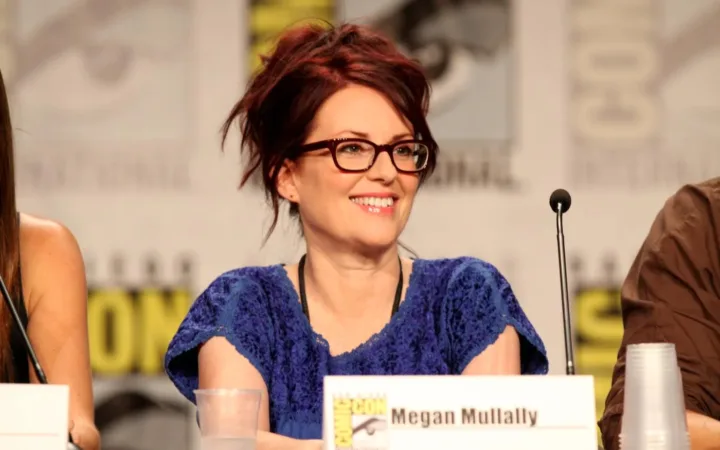
Shared stories can work differently when both partners take part in making them. Megan Mullally and Nick Offerman’s book and podcast work places conversation itself inside the creative project. Henry and Stacey’s public appearances also let an audience hear a reply, a disagreement or a joke that complicates an otherwise polished account.
None of these interviews gives the public a complete view of a private relationship. They do provide a consistent set of themes the couple have chosen to discuss: family, adapting to change and enjoying one another while retaining individual habits. The years supply the timeline; the small examples give it texture.
On Winkler’s birthday, that makes the marriage worth considering beyond its length alone. The actor’s career has changed, the family has grown and the activities they share have found their own practical arrangements. Listening remains the word he returns to, with enough room in the story for Stacey to offer an answer of her own.


Isiagu Tobby
Wowplus editorial contributor.