


![Armed robbers evade Adegbodu Twins’ home days after Taiwo’s burial [VIDEO]](https://wowplus.net/wp-content/uploads/2026/04/armed-robbers-evade-adegbodu-twins-home-days-after-taiwos-burial-video-680x408.jpg "Adegbodu Twins Robbery Scare Leaves Family Shaken Days After Taiwo’s Burial 4")







![‘I had crush on Tiwa Savage, she introduced me to Backy’ – Crayon reveals [VIDEO]](https://wowplus.net/wp-content/uploads/2026/04/i-had-crush-on-tiwa-savage-she-introduced-me-to-backy-crayon-reveals-video-680x383.jpg "Crayon Opens Up About Tiwa Savage Crush and a Moment That Changed His Habits 29")









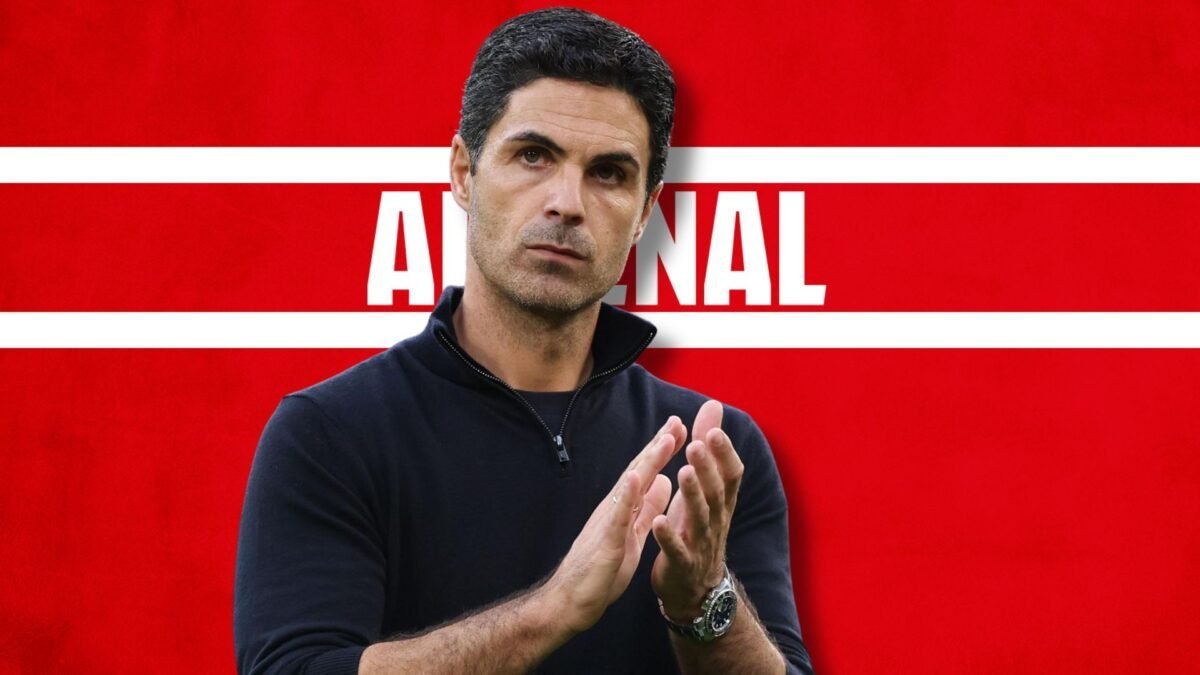
There’s something quietly deliberate about the way Arsenal are going about their business right now. It isn’t flashy — no late-night splash signing, no headline-grabbing fee — but it is methodical. One small example: Rodrigo Mendoza, a 20-year-old midfield prospect at Elche, is on their radar. The Telegraph says Arsenal’s recruitment team have been tracking him, and — perhaps most importantly — he has a release clause of around €20 million, which comes out near £17.5 million. In plain terms: reachable, if they want him.
Why Mendoza matters (and why Arsenal are watching)
I don’t think this is just idle scouting. Mendoza’s rise feels like the sort of thing clubs like Arsenal would log, re-watch clips of, and then discuss over weeks rather than hours. He’s young, yes, but not raw in the usual sense. He’s already picked up minutes in La Liga and moved through Spain’s youth teams — under-17s, under-18s, under-19s, under-20s and under-21s — which tells you a bit about both his pedigree and the steady way he’s been developed.
People who follow him talk about a player who’s comfortable on the ball, who moves with purpose, and who keeps his composure when things get tight. One Spanish coach described him as reading the game “two seconds quicker than others his age.” That’s a small, weirdly exact compliment, and it sticks with you. The idea that someone manipulates space with something like maturity — as a recruitment source reportedly put it — is the sort of phrase that tends to interest Arsenal. They value technical intelligence in midfield; it fits their recruitment script right now.
Also read: How Kate, William and the Palace Shut Down Prince Andrew
Competition and the tricky politics of signing young Spanish talent
But of course, Arsenal aren’t the only ones taking notes. Real Madrid have liked Mendoza for some time, and names such as Xabi Alonso have been linked with an interest as well. That creates a bit of a subplot: will young Spanish midfielders keep following a Madrid-shaped orbit, or will clubs with strong development plans — Arsenal among them — sway those players with a clearer pathway to first-team minutes?
There’s a subtle tug-of-war here. On one hand, Real Madrid’s reputation and resources are hard to ignore. On the other, Arsenal can explain a route: integration under Mikel Arteta, a development plan, and—importantly—game time if they’re serious. The price tag matters too. A €20 million release clause is not astronomical in modern football; it’s the kind of number that makes a transfer plausible rather than pie-in-the-sky. So Arsenal may see him as a sensible buy: lower risk, possible high reward.
Where Mendoza would fit in Arsenal’s bigger plan
Arsenal’s midfield is at a sort of hinge moment. Some of their core players are approaching what we might call the later stages of their peak, and the club knows it needs to plan for the medium and long term. The recruitment ethos — which has been visible in targets like Sverre Nypan and others — is to find young players with room to grow, players who can either slot into the first team or be developed through loans and then return with experience. Mendoza fits that description pretty neatly.
There’s also a financial logic. Younger players typically demand less in wages early on and, if they progress, carry resale value. That’s not mercenary — it’s pragmatic. Arsenal do need to balance ambition with sustainability. Buying a young, technically sound midfielder now is as much about future-proofing the squad as it is about improving it tomorrow. So even if Mendoza never becomes a starter immediately, he could be a useful investment in both sporting and financial terms.
Small things that stand out — and why they matter
Two things about Mendoza stand out to me. First, the range of youth international appearances. That consistency at national age groups tells you coaches have trusted him incrementally, and that suggests a steadier development path than some one-season wonders. Second, the descriptions of his play: elegant on the ball, purposeful in movement, composed in possession. These aren’t flashy adjectives, but they describe the kind of midfielder teams can build around. He isn’t a box-to-box battering ram, and he isn’t a flashy dribbler for the highlight reels. He looks more like someone who helps structure the team’s shape — and that’s valuable, even if it’s not glamorous.
Also read: When Photos Don’t Tell the Whole Story: Dylan Dreyer, Public Image, and Private Pain
The reality — and the obvious caveats
Now, to be fair: being “on the radar” and actually becoming a Gunners player are different things. Real Madrid interest, the lure of other clubs, and Elche’s willingness to let him go are all variables. Arsenal would also have to sell the player on the project: why choose north London when there are other European destinations? That’s not trivial. But the release clause simplifies part of the negotiation. If Arsenal decide to act, there’s a straight legal route to make an offer; sometimes that helps cut through the usual transfer noise.
To me, this feels like a possible low-cost, high-upside approach: add a young, technically strong midfielder to a squad that needs to plan ahead. The move would align with Arsenal’s broader philosophy — develop talent, integrate where possible, or loan and grow where necessary. And while I can’t predict whether Mendoza will come, I can say: this is the sort of tidy, sensible target that fits what Arsenal have been doing lately. Affordable, promising, and consistent with a long-term midfield plan. That alone explains why they’re paying attention.





![Armed robbers evade Adegbodu Twins’ home days after Taiwo’s burial [VIDEO]](https://wowplus.net/wp-content/uploads/2026/04/armed-robbers-evade-adegbodu-twins-home-days-after-taiwos-burial-video-200x120.jpg "Adegbodu Twins Robbery Scare Leaves Family Shaken Days After Taiwo’s Burial 144")





Leave a comment