



Table of contents
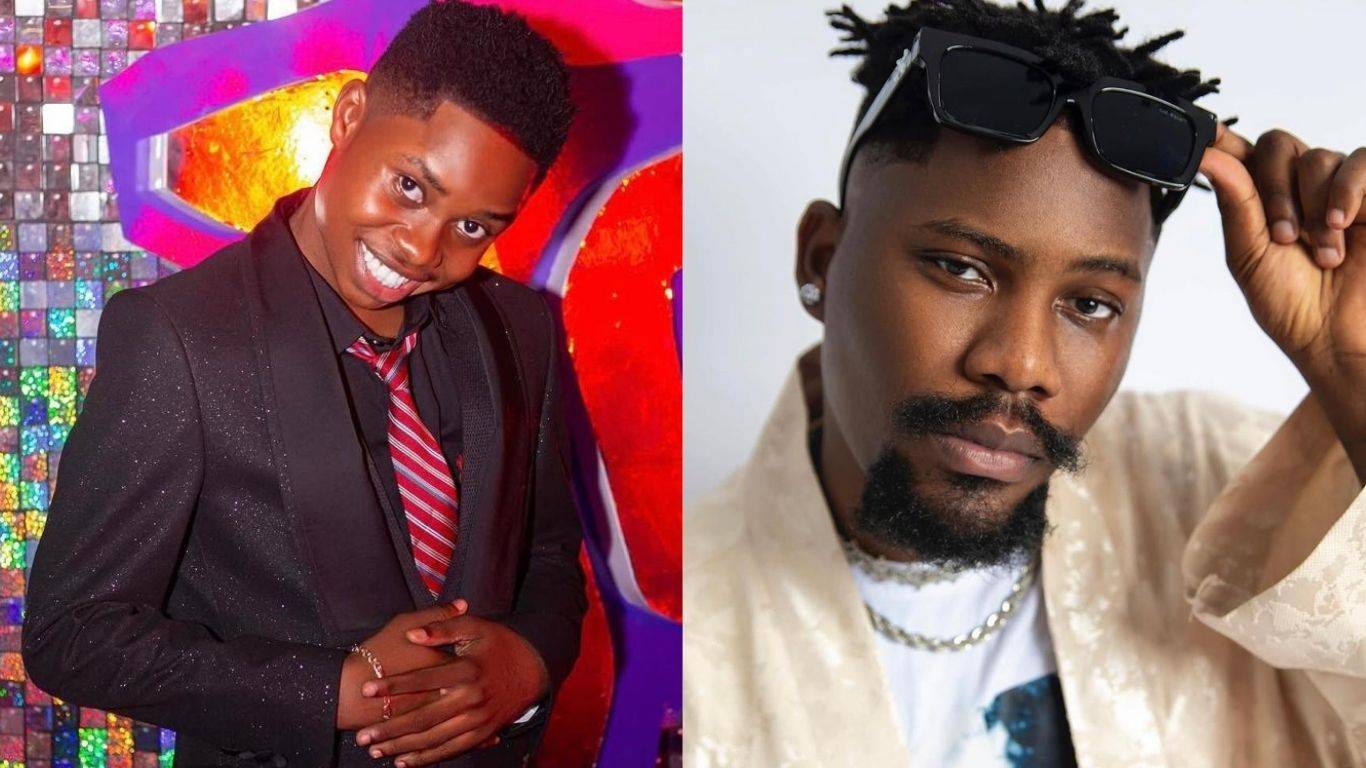
Peller fires back at Ycee after the Nigerian rapper criticised what he described as “Peller culture” while speaking about the way young people now chase fame online.
The exchange has quickly become one of those social media arguments that is not just about two public figures anymore. It has turned into a bigger conversation about education, internet fame, respect, and the kind of content Nigerians reward online. And honestly, this is why the story is getting attention. It touches something many people already argue about quietly.
Peller, a Nigerian TikTok personality known for his loud, comic, and sometimes chaotic online style, did not take Ycee’s comment lightly. The rapper had spoken during an appearance on the Afropolitan podcast, where he complained that Nigerian society no longer seems to celebrate intelligence and academic excellence the way it should.
Ycee’s point was not only about Peller, at least from the way he presented it. He was talking about a wider trend. He suggested that shallow entertainment and anti-intellectual content are becoming too popular. But once he used the phrase “Peller culture,” the conversation changed. It became personal.
Why Ycee’s “Peller Culture” Comment Sparked Reactions
During the podcast conversation, Ycee said Nigeria has moved into what he described as an “olodo uprising,” a phrase many people understood as criticism of people becoming famous without showing strong educational value or clear intellectual contribution. He argued that academic excellence is no longer praised enough, while internet personalities who create outrageous content get more attention.
Also read: A Look At Landman Star Michelle Randolph’s Real-Life Dating History
That statement alone would have caused debate. Many Nigerians already talk about this issue every day, especially when comparing education, talent, entertainment, and money. But Ycee went further by using Peller as an example. That was where things got heated.
To some people, Ycee was simply saying what many older entertainers and social commentators have been thinking. They believe the internet now rewards noise more than knowledge. They feel young people are watching the wrong examples and learning that fame matters more than school, skill, or discipline.
But others felt Ycee’s comment was unfair. Their argument is simple: why single out Peller when the entertainment industry itself has promoted all kinds of unserious content for years? Also, Peller did not create the system. He only found a way to succeed inside it. That part is easy to forget.
Peller Responds And Calls Ycee A “Very Anyhow OG”
Peller later responded through a social media post, and he did not soften his words. He called Ycee a “very anyhow OG,” suggesting that the rapper should have made his point without dragging his name into the matter.
According to Peller, if Ycee wanted to speak about education or the direction of Nigerian entertainment, he could have done so in a broader way. Peller argued that mentioning his name made the whole thing disrespectful, especially coming from someone older in the industry.
His response read in part: “The same olodo uprising wey una dey use promote una noise, very anyhow OG. If you’re an elderly person, respect yourself. Must you mention names? You yourself are an illiterate because, as an elderly man with sense, you should be able to make your point without mentioning anyone’s name.”
It was a sharp reply, and perhaps a little emotional too. But that is not surprising. Nobody likes being used as the face of a negative social trend, especially when the person making the comment is a known figure with influence.
Peller’s response also shows how sensitive the word “illiterate” can be. In Nigeria, it is not just a description of schooling. It can sound like an insult. It can feel like someone is calling you useless, empty, or not worthy of respect. So, in some ways, Peller was not just defending his content. He was defending his dignity.
The Bigger Debate: Education Versus Internet Fame
This argument between Peller and Ycee is interesting because both sides have a point, even if they are saying it harshly.
Ycee is not wrong to worry about the way society celebrates people. In Nigeria today, a young person can spend years in school, graduate with good grades, and still struggle to find a stable job. Meanwhile, someone with a phone, personality, and viral content can become famous and start making money very quickly. That reality can be frustrating. It can also make education look less rewarding than it should.
At the same time, blaming Peller alone does not fully solve the problem. Peller is a product of the digital age. He understands attention. He knows what makes people stop scrolling. Whether people like his content or not, he has built an audience, and that takes some kind of skill. It may not be academic skill, but it is still a form of media intelligence.
That is where the conversation becomes a bit complicated. Not every form of intelligence happens inside a classroom. Some people are book smart. Some people are street smart. Some people understand performance, timing, humour, and audience behaviour. The problem starts when society throws away one type of value completely and worships only the other.
Nigeria probably needs both. It needs educated people, thinkers, builders, doctors, engineers, writers, and serious professionals. But it also has space for entertainers, comedians, streamers, and online personalities. The real issue is balance. Right now, many people feel the balance is missing.
Was Ycee Right To Mention Peller By Name?
This is where opinions will split.
On one hand, Ycee may have mentioned Peller because Peller is one of the most visible examples of the kind of online fame he was talking about. If you are discussing a trend, people often use names to make the point clearer. That is common in entertainment commentary.
But on the other hand, using someone’s name can make the criticism feel like an attack. Instead of people focusing on the bigger issue of education and online culture, they now focus on Peller versus Ycee. That is exactly what happened here. The message got swallowed by the drama.
Peller’s anger makes sense from that angle. He probably feels he was being used as a symbol of ignorance, which is not a small thing. Nobody wants to be turned into a public example of what is wrong with society.
Also read: Zlatan Extends Peace Offering To Seyi Vibez After Their Unexpected Online Dispute
Still, Peller’s reply also added more fire. Calling Ycee an illiterate in return did not exactly calm the conversation. It made the exchange more personal. But this is social media now. A calm reply rarely travels as fast as a hot one.
What This Says About Nigerian Pop Culture
The Peller and Ycee clash says a lot about where Nigerian pop culture is today. Fame is changing. The gatekeepers are not as powerful as they used to be. A person no longer needs a record label, a TV station, or a movie studio to become known. TikTok, Instagram, YouTube, and livestream platforms have opened the door for almost anyone with strong audience appeal.
That can be good. It gives young people opportunities they never had before. But it also creates concern. When the loudest people get the most attention, quieter forms of excellence can feel invisible.
This is probably what Ycee was trying to say, even if his wording upset Peller. He was speaking about a culture where people may laugh at education but celebrate viral chaos. And that concern is not completely empty. Many parents, teachers, and even young people themselves worry about it.
But Peller’s side also matters. Online creators are not always as careless as critics think. Some of them are working hard, studying trends, building brands, and making money in a country where opportunities are not easy. It may look unserious from the outside, but for some creators, it is their business.
In the end, this argument may continue because it is bigger than both men. Ycee represents the concern that Nigeria is losing respect for education. Peller represents the new internet generation that believes success can come from anywhere, even from content that older people may not understand or respect.
The real question is not whether Peller should exist or whether Ycee should speak. The real question is what kind of success society chooses to celebrate, and whether there is still room to honour education while also accepting that digital talent is now part of the culture.


Terry Paul
Paul Terry is a publisher and an author in wowplus.net and other news channel