










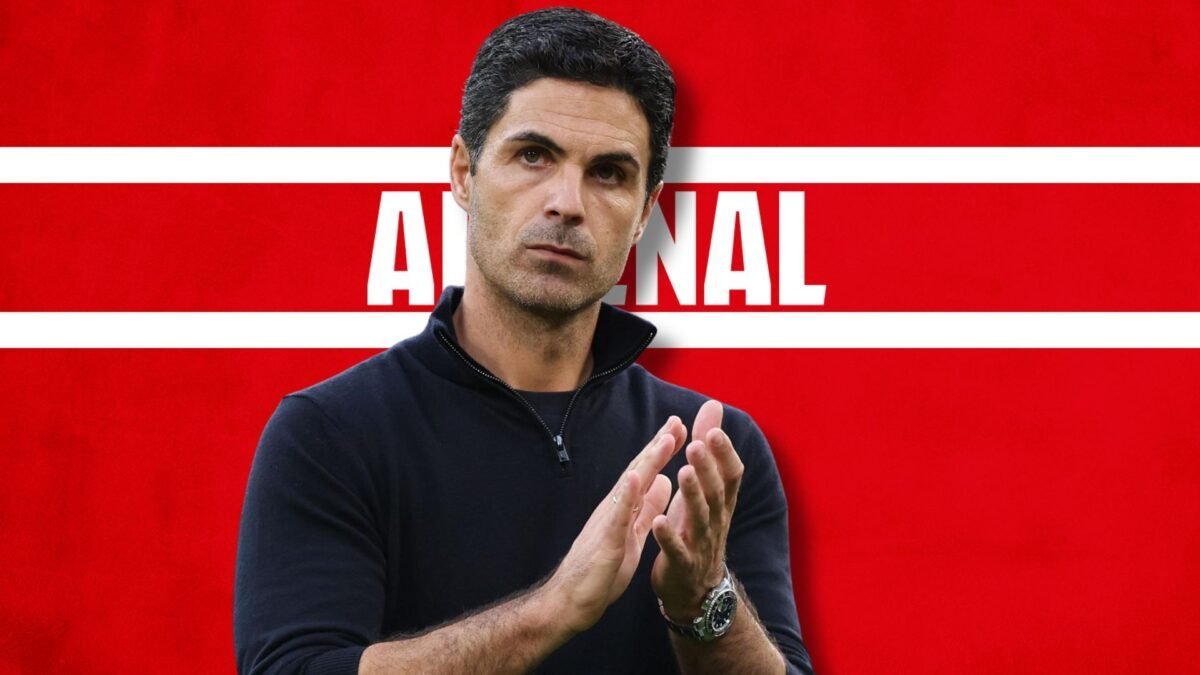
Arsenal fans woke up to some bad news: Gabriel Magalhaes has picked up a muscular problem while on international duty and will be sidelined for what looks like several weeks. He was substituted during Brazil’s 2-0 friendly win over Senegal at the Emirates last weekend and returned straight to London for assessment. The club have done initial scans and say more tests are needed before they can pin down an exact date for his return. So, for now, it’s a wait-and-see situation — frustrating, a little worrying, and oddly familiar.
Why this matters now
Timing couldn’t be worse. Arsenal are about to face Tottenham in the north London derby, and that game is never just another fixture. Gabriel, 27, has been a cornerstone of the defence this season. His partnership with William Saliba has become the spine of Mikel Arteta’s backline — the kind of partnership managers quietly rely on when things get intense. Losing him means Arteta must reshuffle plans, perhaps sooner than he’d like. It’s not only the derby; there’s a congested run of matches coming up, and squad depth will be tested.
Also read: Corey Lewandowski’s Next Move — Or Maybe Not: A Closer Look
Arteta’s update and the scans
Arteta told reporters that Gabriel will be out “for weeks” and that the club will do another scan next Wednesday to get a clearer timeline. That’s about the best you can expect when initial scans show a muscular issue: cautious optimism mixed with realism. Muscular injuries vary wildly — some are three weeks, some take much longer. You can’t rush them without risking a setback. Arsenal’s medical team are understandably cautious: they want to know the grade of the injury and the exact recovery plan before committing to any dates.
Calafiori’s fitness adds another layer of uncertainty
On top of Gabriel’s problem, Riccardo Calafiori, who mainly plays at left-back, also returned from international duty with a hip complaint. Italy pulled him out of their recent fixtures as a precaution. Arteta said Calafiori “has been carrying a few things” and hasn’t trained yet. They’ll see how he responds to the next session, which could make him available for the derby — but that’s not guaranteed.
This matters because Calafiori can cover not only the left side but also, to some extent, centrally. That versatility increases his usefulness. If he’s fit, he might be part of the solution to plug the gap left by Gabriel. If not, Arteta is in a tougher spot.
What Arsenal’s options look like
There are a few candidates to step in. Piero Hincapie and Calafiori can both play centrally if needed. Cristhian Mosquera filled in earlier this season when Saliba was out with an ankle issue. But none of those options exactly replicate what Gabriel brings: physicality, timing in duels, aerial dominance, and a certain calming presence. He isn’t just a defender who clears balls — he organises and lifts the whole backline’s confidence, and that is harder to replace.
You could say Arsenal have players to plug holes, yes. But the nuance matters. A decent cover is not always a like-for-like replacement. Teams notice. Opponents notice. It affects how Arteta sets up the rest of the team — maybe you play a little deeper, maybe you ask midfielders to track back more, maybe you accept a bit more risk going forward. Those are small tactical choices that add up during tight matches.
Also read: Why City Would Only Talk About Rodri for Bellingham
The numbers underline his importance
The statistics aren’t headline-grabbing but they’re telling. Since Gabriel joined in 2020, Arsenal have been much stronger in matches where he’s available. Across 171 Premier League matches with him in the squad, the team won 110, drew 27 and lost 34 — about a 64% win rate. When he’s absent, across 30 league matches, wins drop to 12, with 10 draws and eight defeats — roughly a 40% win rate. That’s a noticeable difference. Numbers don’t tell the whole story but they do point toward his clear influence on results and defensive organisation.
Match-day squad thinking and short-term tactics
Arteta hinted some injured players might be closer to returning but didn’t name names. He mentioned the staff have pushed hard to get people fit, and he’s “hopeful” of progress after Saturday’s session. So there’s a sliver of optimism — and Arteta is nothing if not pragmatic. He’ll assess the squad in the final training sessions and then decide whether to strengthen the midfield, shift to a three-man backline, or ask full-backs to be more conservative.
It’s also possible he’ll bring in a younger player to the bench and rely on experience elsewhere. Those are the small decisions managers make that rarely get noticed unless they go badly. I don’t envy the selection choices this week; they’re not simple and there’s a bit of pressure to get it right.
How fans and players might react
Fans will be disappointed — naturally. You want your best players available for big games. There’s a tinge of concern, but Arsenal supporters have also seen their team handle adversity before. Players will likely respond professionally; the club culture seems geared toward sticking together. Sometimes a setback like this can galvanise a team. Or it can expose weaknesses. It depends largely on the response over the next 48–72 hours — how training goes, how the squad looks mentally.
Also read: Arsenal Hold Their Breath Over Gabriel Before the Big North London Tests
A cautious, human wrap-up
So, Gabriel is out for weeks, not days, and that creates a clear problem for Arsenal at a tricky time. There are options, some hope with other players returning, and a scan scheduled to give a better timeline. For now, Arteta must balance caution with competitiveness — and maybe adjust his plans for the derby and the run that follows. It’s uncomfortable, sure. But football is full of these little crises; how you manage them often defines a season more than any single result.




![Seyi Tinubu is threatening my life – VeryDarkMan cries out [VIDEO]](https://wowplus.net/wp-content/uploads/2026/02/seyi-tinubu-is-threatening-my-life-verydarkman-cries-out-video-200x120.jpg "“I’m Scared — VeryDarkMan Says Seyi Tinubu Threatened Him” 140")



Leave a comment