



























They told us in 2024 that the path to stable electricity would cost Nigerians a lot more—like, more than double for some. I remember thinking, “Okay, maybe it’s painful but necessary.” Now, two years on, the grid trips twice in one week and a huge sum—₦128 billion—has gone missing. That’s not a small oversight. It’s the kind of thing that makes you squint and ask questions, slowly, because the whole story just doesn’t add up.
A promise that felt heavy from the start
Back then, the pitch was simple: pay more now, get reliable power later. Politicians and officials said higher tariffs would let the system be fixed, modernized, and kept running. Engineers and analysts nodded. Some people I know grumbled and paid, even though it hurt the household budget. Others tried to cut costs with generators or scrambled for solar. It felt like we were all making a sacrifice for a bigger payoff—only, the payoff hasn’t really shown up.
What’s striking is how fast the narrative changed from “this is the investment we must make” to “we’re back to frequent collapses.” You’d expect teething problems in a big system overhaul, sure. But a grid collapsing twice in one week, after such a pronounced price hike, feels different. It’s not a hiccup—it’s a failure to deliver on the central promise. And people remember that. Anger mixes with disappointment, and then with suspicion.
Where did ₦128 billion disappear to?
This is the part that doesn’t sit right: while outages happen, ₦128 billion is unaccounted for. That number is huge. For perspective, that money could buy equipment, pay technical teams for months, or provide relief to families who are now juggling more generator fuel bills. When funds vanish like that, you have to wonder: was it mismanagement, theft, poor oversight, or a mix of all three? I don’t have a smoking gun—none of us do—but missing that scale of money during a crisis is a red flag that calls for investigation.
And investigations seem to be the slow type. Time passes. Press statements pop up. Committees are formed. People promise audits. Meanwhile, the lights keep going off. I’m not saying we shouldn’t give institutions time to sort things out. But experience teaches that delays in transparency often mean stakeholders are buying time—sometimes for legitimate reasons, sometimes not. The very least we can ask for is clarity: where were the funds supposed to go, and what trails can be followed to confirm that?
Also read: Loving, Losing, and Learning: Denrele Edun on Heartbreak and Identity
How ordinary people feel about this
It’s easy to talk about numbers and policies, but the human side matters. I know a small shop owner who used to stay open late because electricity was cheaper than fuel for his generator. After tariff hikes, he’s reduced hours because the math just doesn’t work. A teacher friend spends more time prepping lessons because power outages mean less classroom time. Families are adjusting diets, chores, study routines—subtle shifts that pile up into real stress.
There’s also that psychological hit. When you pay more for something and then lose it, you feel cheated. Maybe you’re resigned. Maybe you’re enraged. Or maybe you become quietly cynical, thinking “we’re always told to tighten our belts while someone else pockets the cash.” That cynicism is corrosive; it makes people less likely to participate in future reforms even if those reforms might actually help.
Accountability is messy, but necessary
Fixing a grid isn’t just about putting in transformers or new lines. Policies, procurement, contracting, monitoring, and political will—all of those matter. If funds went missing, someone should be held responsible. Not the usual vague statements about “we’ll look into it,” but concrete steps: audits by independent bodies, public reports, and, where warranted, legal action. That kind of clarity would at least restore some trust or show where the system really failed.
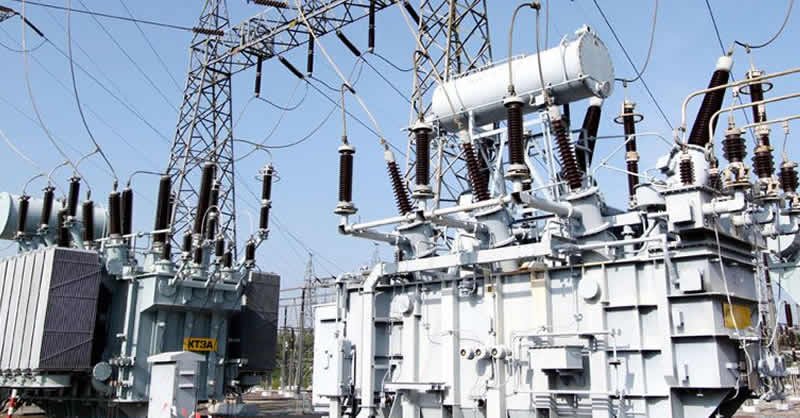
There’s also the technical side. Frequent collapses can come from system overloads, poor maintenance, lack of spare parts, or coordination failures between generation and distribution. You can throw money at those problems, yes, but only if the money reaches the right places and is used effectively. The overlap of technical and managerial failures is often where crises fester.
Also read: Loving, Losing, and Learning: Denrele Edun on Heartbreak and Identity
A few quick thoughts—because nothing here is tidy
- We should demand transparent accounting for the ₦128 billion. Not just press releases, but verifiable audit trails.
- People affected need short-term relief—subsidies, repair of critical infrastructure, or targeted support—while longer fixes are worked out.
- Reforms must include community input; sometimes local knowledge points to practical fixes that officials miss.
- And yes, donors or independent observers might help provide neutral assessments, though that can complicate sovereignty and politics.
Wrapping up
This whole situation—pay more, expect better, get worse and lose track of big sums—reads as a failure on multiple levels: communication, governance, and delivery. It’s tempting to reduce it to one culprit, but that would be too neat. Whatever the mix—mismanagement, corruption, technical breakdowns—the real losers are ordinary people who paid more for a promise that wasn’t kept.
We need clearer answers, faster. We need accountability that isn’t just performative. And we need practical fixes so everyday life stops getting squeezed by outages and bills. I don’t expect miracles overnight. Still, if nothing changes, then the price paid for “stable power” will feel like a bitter joke.









Leave a comment