



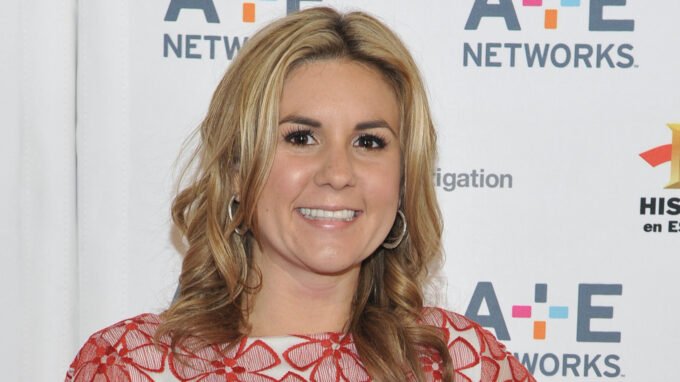
















They call some lives dramatic, like a story scripted for television. Rebecca Gayheart’s life has felt that way at times—full of big moments, painful detours, and ordinary care that keeps going even when things fall apart. She chased a dream from a small Kentucky town to New York at 15 and built a career, but the headlines only capture flashes: an accident, a scandal, a marriage that bent and didn’t break, a sister lost. The deeper stuff—the slow days, the guilt, the small acts of showing up—those are harder to sum up, but maybe more important.
A life that starts fast
Rebecca left Hazard, Kentucky, young and restless, which I kind of respect. There’s something brave and slightly reckless about moving to New York at 15 because you believe you can become something else. Her family, modest but loving, pushed her toward those dreams. She made it—TV, movies, the kind of roles that keep you recognizable without guaranteeing peace. Success didn’t shield her from tragedy. If anything, it made private sorrow more public.
Also read: The Stunning Transformation Of Landman Star Jacob Lofland
The accident that changed everything

In June 2001 a single moment changed the course of Rebecca’s life. Driving a Jeep in Los Angeles, she struck a 9-year-old boy, Jorge Cruz Jr. He died the next morning. The legal fallout followed—wrongful death claims, a no-contest plea to vehicular manslaughter, probation, the suspension of her license. But the legalities were only the visible part.
What stuck, by all accounts, was the emotional wreckage. People close to her described someone who stopped sleeping and eating, who disappeared behind a wall of grief and guilt. She later said, plainly and painfully, that she didn’t want to live after the accident. That admission—raw and honest—makes the story feel unbearably human. It was a crash that couldn’t be reversed, and she spent years rebuilding not just a career but the ability to feel normal again. Therapy helped; time helped; but there are scars, and not the kind you can point to.
Mental health in plain language
There’s an ugly truth here that’s worth stating without drama: when something like that happens, the world narrows. Faith, meaning, all of it can feel like it collapses. Rebecca talked about losing faith, questioning God, asking “Why me? Why Jorge?” That isn’t philosophical for most people—it’s a desperate search for sense in nonsense. She tried—she failed sometimes, she succeeded sometimes—and over time she learned to allow herself to be happy again, though she said the guilt never fully leaves. That’s a complicated place to live, and I believe her when she says some days are easier than others.
A marriage that didn’t follow a straight line
Rebecca and Eric Dane’s relationship is a reminder that relationships aren’t always tidy. They met after the dark years, built a family—two daughters—and seemed, for a long time, to hold things together. But addiction, depression, and other strains crept in. They separated in 2018 but never divorced; even when Eric had other partners, and she had hers, the legal bond stayed. In part, that felt like a statement: complicated doesn’t mean uncaring.
When Eric was diagnosed with ALS in 2025, Rebecca stepped into a caregiver role. She withdrew a divorce petition and stuck around—not because it was legally required, but because for her, family meant showing up. She and Eric remained, as she put it, family, not a traditional couple. He died in February 2026, and the image of their daughters circling him in those last days is quietly devastating. Watching two parents navigate separation, illness, and shared responsibility—well, it’s messy, and it’s real.
A private moment leaked
Not all of Rebecca’s struggles were about tragedy; some were about privacy and embarrassment. In 2009 a private hot-tub video of Rebecca, Eric, and a friend was stolen and published. It was invasive and humiliating—something that shouldn’t have been public became public, and reputations felt the cost. People argue over whether that moment was a mistake or just a private choice that shouldn’t have been exposed. Either way, being subject to that kind of violation has ripple effects you don’t always see.
Losing a sister, losing another anchor
Then there’s the loss of Rachel, Rebecca’s younger sister, in 2017. Rachel had struggled with addiction and died after being transferred to a hospital while incarcerated. Rebecca’s social media tribute was spare and loving: a reminder that life is fragile. Rachel’s death came not long after other strains in Rebecca’s life, and friends worried about whether she had the reserves to keep going. I don’t know that anyone really does sometimes—we get by as best we can.
Small acts matter
Through all this, one detail keeps coming back: Rebecca’s inclination to keep showing up. She spoke publicly about co-parenting, about being present for her daughters, and about trying to teach them the importance of supporting people regardless of circumstance. It’s not flashy. It doesn’t make headlines the way scandal or a courtroom would. But it’s the quieter, more consequential work of being human—messy, inconsistent, and often stubbornly kind.
A plain wrap-up
There’s no tidy moral here, no final neat lesson. Rebecca Gayheart’s life is a tangle of ambition, regret, resilience, love, and loss. She’s made mistakes, been the victim of violations, carried unbearable guilt, and still found ways to keep living—sometimes badly, sometimes bravely. That jumble of contradictions is what makes her story feel real. If anything, it’s a reminder that people can be forgiven for not being perfect; they can still be trying.
In June 2001 a single moment changed the course of Rebecca’s life. Driving a Jeep in Los Angeles, she struck a 9-year-old boy, Jorge Cruz Jr. He died the next morning. The legal fallout followed—wrongful death claims, a no-contest plea to vehicular manslaughter, probation, the suspension of her license. But the legalities were only the visible part.
Also read: When Ryan Seacrest’s Face Became the Internet’s Favorite Mystery
What stuck, by all accounts, was the emotional wreckage. People close to her described someone who stopped sleeping and eating, who disappeared behind a wall of grief and guilt. She later said, plainly and painfully, that she didn’t want to live after the accident. That admission—raw and honest—makes the story feel unbearably human. It was a crash that couldn’t be reversed, and she spent years rebuilding not just a career but the ability to feel normal again. Therapy helped; time helped; but there are scars, and not the kind you can point to.
Mental health in plain language
There’s an ugly truth here that’s worth stating without drama: when something like that happens, the world narrows. Faith, meaning, all of it can feel like it collapses. Rebecca talked about losing faith, questioning God, asking “Why me? Why Jorge?” That isn’t philosophical for most people—it’s a desperate search for sense in nonsense. She tried—she failed sometimes, she succeeded sometimes—and over time she learned to allow herself to be happy again, though she said the guilt never fully leaves. That’s a complicated place to live, and I believe her when she says some days are easier than others.
A marriage that didn’t follow a straight line

Rebecca and Eric Dane’s relationship is a reminder that relationships aren’t always tidy. They met after the dark years, built a family—two daughters—and seemed, for a long time, to hold things together. But addiction, depression, and other strains crept in. They separated in 2018 but never divorced; even when Eric had other partners, and she had hers, the legal bond stayed. In part, that felt like a statement: complicated doesn’t mean uncaring.
When Eric was diagnosed with ALS in 2025, Rebecca stepped into a caregiver role. She withdrew a divorce petition and stuck around—not because it was legally required, but because for her, family meant showing up. She and Eric remained, as she put it, family, not a traditional couple. He died in February 2026, and the image of their daughters circling him in those last days is quietly devastating. Watching two parents navigate separation, illness, and shared responsibility—well, it’s messy, and it’s real.
A private moment leaked
Not all of Rebecca’s struggles were about tragedy; some were about privacy and embarrassment. In 2009 a private hot-tub video of Rebecca, Eric, and a friend was stolen and published. It was invasive and humiliating—something that shouldn’t have been public became public, and reputations felt the cost. People argue over whether that moment was a mistake or just a private choice that shouldn’t have been exposed. Either way, being subject to that kind of violation has ripple effects you don’t always see.
Losing a sister, losing another anchor
Then there’s the loss of Rachel, Rebecca’s younger sister, in 2017. Rachel had struggled with addiction and died after being transferred to a hospital while incarcerated. Rebecca’s social media tribute was spare and loving: a reminder that life is fragile. Rachel’s death came not long after other strains in Rebecca’s life, and friends worried about whether she had the reserves to keep going. I don’t know that anyone really does sometimes—we get by as best we can.
Small acts matter

Through all this, one detail keeps coming back: Rebecca’s inclination to keep showing up. She spoke publicly about co-parenting, about being present for her daughters, and about trying to teach them the importance of supporting people regardless of circumstance. It’s not flashy. It doesn’t make headlines the way scandal or a courtroom would. But it’s the quieter, more consequential work of being human—messy, inconsistent, and often stubbornly kind.
Also read: Kelly Osbourne’s Changed Look Sparks Concern — Fans Wonder What’s Behind It
A plain wrap-up
There’s no tidy moral here, no final neat lesson. Rebecca Gayheart’s life is a tangle of ambition, regret, resilience, love, and loss. She’s made mistakes, been the victim of violations, carried unbearable guilt, and still found ways to keep living—sometimes badly, sometimes bravely. That jumble of contradictions is what makes her story feel real. If anything, it’s a reminder that people can be forgiven for not being perfect; they can still be trying.
If you or anyone you know is struggling with addiction issues, help is available. Visit the Substance Abuse and Mental Health Services Administration website or contact SAMHSA’s National Helpline at 1-800-662-HELP (4357).











Leave a comment