
![Armed robbers evade Adegbodu Twins’ home days after Taiwo’s burial [VIDEO]](https://wowplus.net/wp-content/uploads/2026/04/armed-robbers-evade-adegbodu-twins-home-days-after-taiwos-burial-video-680x408.jpg "Adegbodu Twins Robbery Scare Leaves Family Shaken Days After Taiwo’s Burial 4")









![‘I had crush on Tiwa Savage, she introduced me to Backy’ – Crayon reveals [VIDEO]](https://wowplus.net/wp-content/uploads/2026/04/i-had-crush-on-tiwa-savage-she-introduced-me-to-backy-crayon-reveals-video-680x383.jpg "Crayon Opens Up About Tiwa Savage Crush and a Moment That Changed His Habits 29")








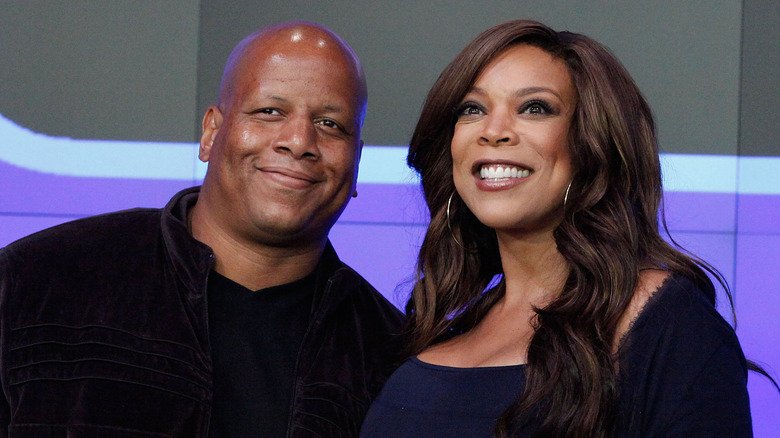
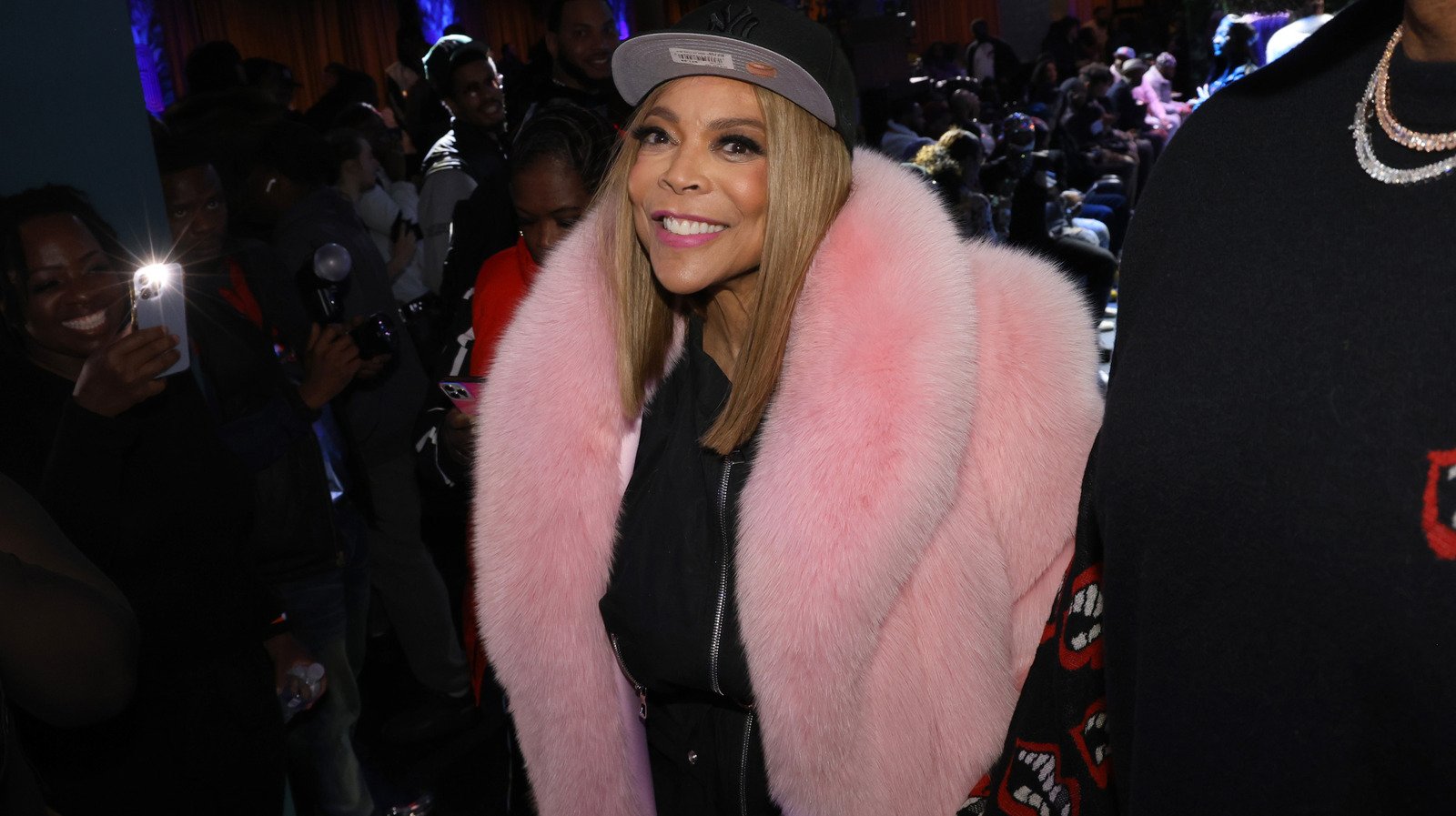
There are days when the headlines feel like a slow-moving train crash — you can’t look away, and you hope someone will finally pull the emergency brake. Wendy Williams’ situation has felt like that for years: a public unraveling that kept getting replayed, discussed and dissected, while she was often not in a position to tell her own side. Lately there’s been another twist — maybe hopeful, maybe just more complication — and it’s worth sitting with the oddity of the whole thing for a minute.
A test that changes everything — or does it?
Reports surfaced that a recent round of neurological testing showed Wendy does not have frontotemporal dementia, the kind of condition that can affect language, judgment and certain behaviors. If that’s true — and I admit I’m cautious because reports bounce around before facts are fully checked — it would be huge. Guardianships are usually put in place when a court believes a person can’t manage their affairs or care for themselves. For Wendy, that guardianship began after her long-running daytime show ended in 2021 and it fundamentally altered her life: who she could see, where she could live, how decisions about her care and finances were made.
Also read: The Intake Photo That Made Everyone Do a Double Take
Imagine being told you’re unable to care for yourself, and then being placed in a medical setting that, by all accounts, felt wrong for you. Wendy’s own words about being stuck on a memory-care floor — around much older people who often don’t remember things — are haunting. She described staying mostly in a bedroom and rarely going out. That description alone tells you how lonely and disempowering the experience felt to her. If a test now shows she was misdiagnosed, that’s not a small error. That’s a life rerouted.
The legal angle: trying to end what began as a supposed protection
The new test results reportedly have legal consequences: Wendy’s team is planning to petition the court to end the guardianship. That makes sense. If the medical ground for guardianship isn’t actually there, then the legal restriction shouldn’t stand. It’s the kind of thing that should be straightforward — medical test, court reviews evidence, makes changes — but of course, real life rarely moves that smoothly.
Wendy herself has loudly objected to how things were managed. In a call with the hosts of The View, she demanded a new guardian and said she was not incapacitated. You hear the frustration in that: someone insisting they can make decisions, yet being overruled by systems that sometimes refuse to admit mistakes. I find that part painful; it’s hard not to sympathize with someone whose autonomy has been stripped away, whether temporarily or longer-term.
Family drama and a messy attempt at control
Then there’s the ex-husband angle. Kevin Hunter, Wendy’s ex, has intermittently sought access to her money and estate matters. At one point he filed to be named her guardian and even sought a massive sum in damages — $250 million according to reports. That part reads almost like a bad subplot from a soap opera, except, again, the stakes are real: control over Wendy’s life and finances. Fortunately, the court tossed his petition. That outcome might be one small relief for Wendy — one less person trying to control what happens to her.
Also read: When Brittany Mahomes’ Look Changed — and What We Remember About Her Old Photos
Still, this episode exposes how guardianships can attract people with mixed motives. A guardianship is meant to protect a vulnerable person, but it can also create opportunities for exploitation. That tension always makes me uneasy. We like clear rules and tidy outcomes, but human motives and legal systems are messy.
Conflicting reports — whose word do we trust?

Complicating everything are conflicting news stories. At one point, some outlets claimed new tests supported keeping the guardianship in place. But those reports cited unnamed sources rather than doctors or official records. That’s a red flag — secondhand claims, no clear evidence. Later reports suggested the opposite: that Wendy was misdiagnosed. So which is true? I don’t know. Neither do you, probably. This leaves a gray zone where Wendy’s life and reputation hang in the balance.
This kind of uncertainty wears on everyone involved. For Wendy, it’s personal and immediate. For fans and observers, it becomes a guessing game: is she getting the right care? Is she being heard? Is the legal system protecting her or simply locking her into the consequences of an early medical opinion? These are not rhetorical questions; they matter for how guardianship is applied and overseen generally.
What this says about us and about care systems
There’s a bigger conversation under all this noise. Guardianships exist because we want to protect people who can’t manage on their own. But the system depends on accurate medical evaluation, transparent courts, and oversight that prevents abuse. When any of those pieces fail, the person at the center — here, Wendy Williams — ends up paying the price. That feels wrong, and frankly, avoidable if we had better checks and clearer accountability.
Also read: New Chapter, Uncertain Rooftops: What Comes Next for Sarah Ferguson
I’m left with mixed feelings. Part of me hopes the newest test results are accurate and help Wendy regain independence. Another part worries that the story will cycle again: new claim, new counterclaim, more hearings, more damage done in the meantime. Either way, this chapter underlines how fragile personal autonomy can be when health and law cross paths.
A human story, not just headlines
At the core, this is not merely tabloid fodder. This is someone’s life. Wendy has been candid and at times combative about her experiences. She’s made clear she wants control back. If the evidence now supports that — if she truly was misdiagnosed — then we should hope the courts act quickly. If not, then we need clear, transparent explanations so the public and Wendy herself can understand the decisions being made.
I don’t have the final answer. Who does? But the story does push a few small, stubborn lessons: always check the facts, weigh motives closely, and remember the person behind the headlines. For Wendy Williams, I’m hoping the coming weeks bring clarity and more autonomy. That feels right to wish for.




![Armed robbers evade Adegbodu Twins’ home days after Taiwo’s burial [VIDEO]](https://wowplus.net/wp-content/uploads/2026/04/armed-robbers-evade-adegbodu-twins-home-days-after-taiwos-burial-video-200x120.jpg "Adegbodu Twins Robbery Scare Leaves Family Shaken Days After Taiwo’s Burial 148")





Leave a comment