

































Fishing boats are tied up in Saulnierville, N.S. Fisherman Hubert Saulnier says the problem of drug use exists in many areas of the province. (Stephanie Blanchet/Radio-Canada)
Concerns are growing in some Nova Scotia communities about the use of hard drugs such as cocaine on fishing vessels.
“It’s everywhere — in all the ports,” said Hubert Saulnier, who fishes out of Meteghan, N.S., and is on the drugs and alcohol committee of the Fisheries Safety Association of Nova Scotia.
“You hear about it a lot … It’s an ongoing issue and it’s getting to be a little bit worse.”
Saulnier said he hears of cocaine use at sea from fishermen themselves, as well as from the RCMP and the federal Fisheries and Oceans Department.
He believes some fishermen may use hard drugs in part to increase their endurance and productivity during long trips, which can last 48 hours or more.
“It’s just work, work, work. Coffee is not really strong enough,” said Saulnier, who said he has never touched drugs during his almost 50 years in the industry. “It starts with cannabis and then goes to, you need more kick I guess.”

Hubert Saulnier is a fisherman and a member of the drug and alcohol committee of the Fisheries Safety Association of Nova Scotia. (Stephanie Blanchet/Radio-Canada)
He said there’s pressure among fishermen to work long hours in order to make their trips profitable.
That pressure can be even more intense for the new generation of fishermen, who must pay start-up expenses that are subject to significant interest rates.
“The licence is $800,000 — just the licence, the piece of paper. You don’t have boats or traps, you don’t have anything. That’s big, big payments at eight per cent,” he said.
For comparison, when Saulnier began fishing in 1972, his starting debt was just $3,700, including the cost of the licence and the boat. He repaid that debt in just a few years.
Saulnier said it’s also possible that some fishermen have drug addictions that stem from outside their work.
Safety hazard
Drug consumption at sea puts many lives at risk.
Cocaine cuts fatigue and gives a sense of euphoria, and after the euphoria subsides, the user may show bizarre or violent behaviour, irritability and altered judgment.
“The person who is driving the boat isn’t attentive and is exhausted,” Saulnier said. “It’s really dangerous for the entire crew, all the boats around and the Coast Guard as well because they have to come to the rescue.”
Saulnier worries for families and fishing communities, as he believes the problem is taking on worrisome proportions.
Police, government oversight of industry
But tracking drug use at sea is a challenge for authorities.
Fisheries and Oceans Canada says its officers may come into contact from time to time with fishermen who may appear to be under the influence of drugs or alcohol.
But the enforcement of drug and alcohol laws is not their responsibility.
The department says it’s working with the RCMP to maintain orderly fisheries.
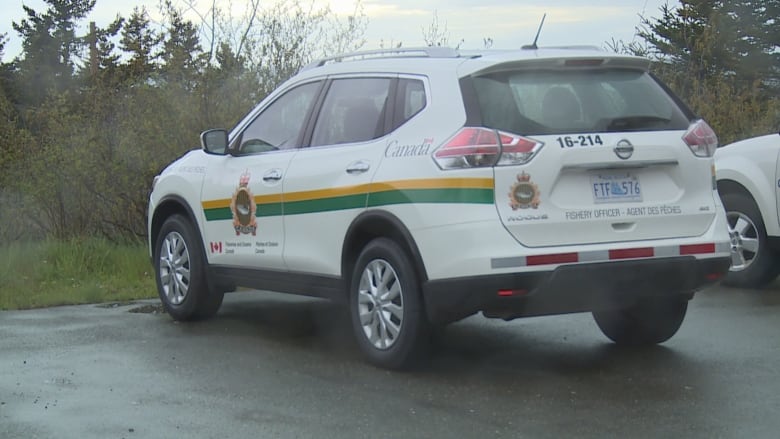
The federal Fisheries and Oceans Department says the enforcement of drug and alcohol laws is not the department’s responsibility. (Stephanie Blanchet/Radio-Canada)
The RCMP say they’re aware of growing concerns about drug use in the fishing industry.
Officers conduct patrols within 22 kilometres of the coasts, but they don’t do random searches of fishing boats.
RCMP only respond to formal complaints and they only do searches if there are reasonable grounds for them.
The RCMP encourage people to inform them if they witness illicit drug use on board a fishing vessel.
Transport Canada says under the Canada Shipping Act, a crew member must report to the captain any changes that may affect their ability to work safely.
The problem is the code of silence.
Saulnier said that fishermen are very supportive of each other and wouldn’t dare intervene if they know their peers are using drugs.
The six-month fishing season ended in lobster fishing areas 33 and 34 — the province’s most lucrative — in southwestern Nova Scotia on May 31.













Leave a comment