






















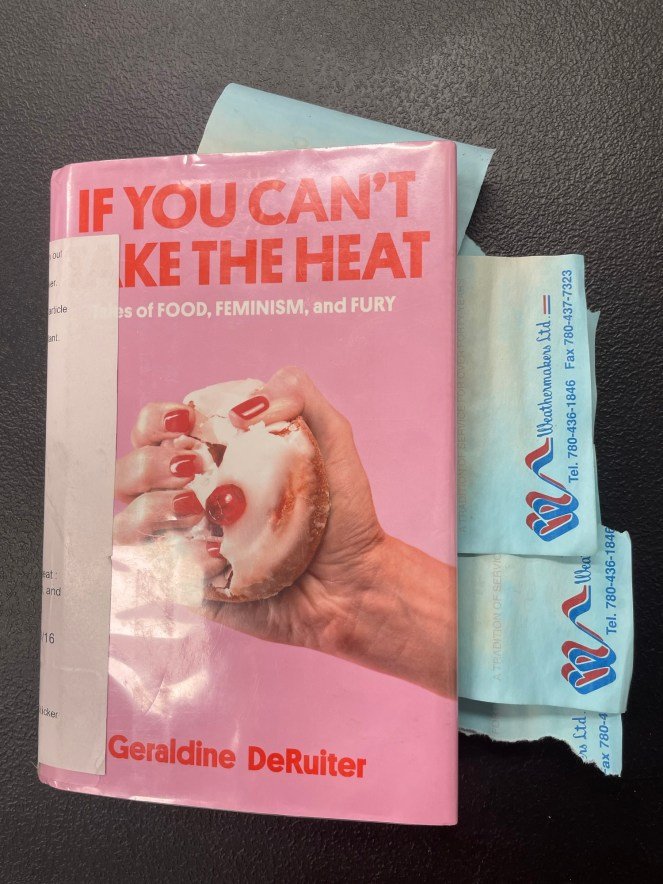
Someone, somewhere, once suggested I read If You Can’t Take the Heat by Geraldine DeRuiter. I added it to my ever-growing to-be-read list and, like many good intentions, promptly forgot about it. Months later, while wandering through the library shelves with no real plan, I picked it up on a whim. Honestly, I didn’t expect much. Turns out, that random decision paid off.
Geraldine DeRuiter is often described as a food writer, but calling this just a food book doesn’t quite sit right. Yes, food shows up everywhere. But so does anger, grief, feminism, anxiety, and a kind of sharp honesty that sneaks up on you. The book reads more like a personal story told through meals, memories, and moments where women are expected to stay quiet. I usually don’t mark pages or highlight quotes, but this one? Sticky notes everywhere. I couldn’t help myself.
Also read: Lover Era Wedding Inspiration: Dreamy Ideas for Brides Who Love Love
Early on, she writes about refusing hot dogs while happily devouring pig’s feet and boiled cow’s tongue, mostly to horrify her family. That was the moment I knew I was in. There’s something quietly powerful about food as defiance, about choosing what you eat even when people look at you sideways. She keeps circling back to that idea: that we’re allowed to want what we want, to ask for it, to feed our bodies without apology. It sounds simple, but maybe it isn’t.
Some of the most striking parts have nothing to do with recipes at all. Like her reflections on being stuck in the kitchen with the women during Thanksgiving while the men hover elsewhere. She admits to judging women more harshly for not knowing how to cook, even while believing in equality. That contradiction feels painfully real. The idea that women can do everything has sunk in, she says, but the idea that we don’t have to do everything? That one takes longer.
Then there’s money, specifically who pays at restaurants. DeRuiter points out how often staff automatically hand the bill to the man, as if women are just decorative extras at the table. It’s such a small thing, but once you notice it, you can’t unsee it. And when you connect it to the long history of women being “treated” to dinner with unspoken expectations attached, it gets uncomfortable fast.
She also writes about anxiety and disaster thinking, about stocking food like it might somehow protect the people she loves. There’s a dark humor there—joking about dogs being edible in survival stories—but underneath it is fear. Real fear. Eventually, she lands on something quieter and sadder: food doesn’t prevent tragedy. It doesn’t undo cancer or fires or loss. Comfort food only comes after the pain has already arrived. Still, it matters because it reminds us we’re not alone.
Also read: Garden Party Attire: Dress Code Explained + 10 Chic Outfit Ideas
Anger runs through the book, too, especially how women are taught to swallow it. Citing research on gender and anger, she explores how female rage is dismissed or punished, pushed down until it turns inward. That idea lingers. So does her blunt, almost joyful take on body image: wanting to live long enough to outlast and outdance the worst people. It’s funny, but there’s steel in it.
For all the bite and fury, the book is surprisingly tender. She doesn’t shy away from writing about a difficult childhood, an unstable home, or a mostly absent father. But there’s compassion there too. For her parents. For her friends. And especially for her husband, who feels like a steady presence throughout the chaos.
I didn’t know what I was getting into when I picked up this book. I just knew I wanted something to read. What I got was a story that made me laugh, pause, nod along, and sometimes sit quietly for a moment. My library copy is now bristling with blue sticky notes, a pink cover slightly bent, a crushed pastry on the front. It looks used. Loved, maybe. And that feels about right.
















Leave a comment