
![Blessing CEO auctions her properties to raise funds for cancer treatment [VIDEO]](https://wowplus.net/wp-content/uploads/2026/03/blessing-ceo-auctions-her-properties-to-raise-funds-for-cancer-treatment-video-680x680.jpg "Blessing CEO Cancer Fundraising Takes New Turn as She Auctions Personal Belongings 1")
![Blessing CEO solicits financial help amid battle with breast cancer [VIDEO]](https://wowplus.net/wp-content/uploads/2026/03/blessing-ceo-solicits-financial-help-amid-battle-with-breast-cancer-video-680x389.jpg "Blessing CEO Breast Cancer Appeal Sparks Concern as She Asks for Public Support 2")

![King Mitchy’s apology decoy to attack me – VDM raises alarm [VIDEO]](https://wowplus.net/wp-content/uploads/2026/03/king-mitchys-apology-decoy-to-attack-me-vdm-raises-alarm-video-680x408.jpg "VeryDarkMan Raises Alarm Over King Mitchy Apology, Says Something Feels Off 5")

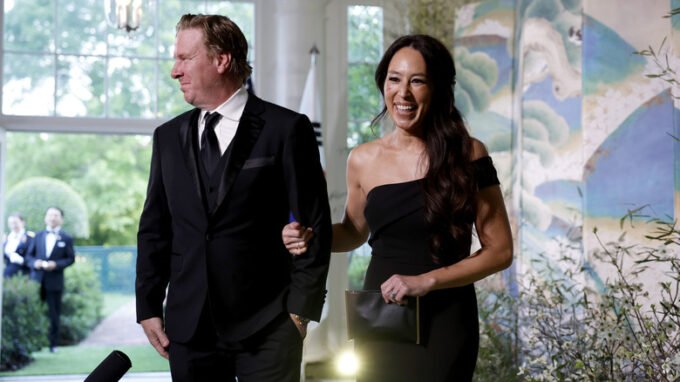








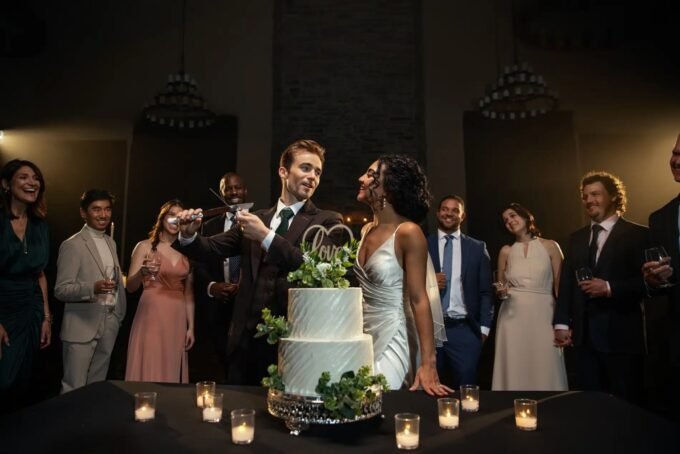









You probably remember the photos: fairy lights, big smiles, designer tailoring, and a guest list that read like a fashion magazine. Weddings do that — they turn private moments public, and suddenly every choice is a headline. Victoria Beckham, who rarely missteps on the fashion front, showed up in a silver slip-style dress with lace at the chest and a deep neckline. It was meant to be polished and modern. For many, though, it became the most talked-about thing from the night. Why? Because a single outfit can sit oddly beside every other expectation a room holds — and people like to notice when something doesn’t quite fit.
Why the dress landed oddly for some people
There’s a basic rule at many weddings: the spotlight is for the couple. Mothers, close friends, siblings — they dress beautifully, but usually in service of the moment, not to interrupt it. Victoria chose a very slinky gown, and that surprised some viewers. To some eyes it read as glamorous and on-brand: pared-back, sleek, confident. To others it read as too revealing, even inappropriate for a mother of the groom at her son’s wedding. Comments ranged from “stunning” to “vulgar,” and that split says a lot about taste, culture, and who’s doing the judging.
Also read: Celebrities may be developing gaunt facial features due to Ozempic use, raising concerns.
I’ll admit — I felt torn when I first saw the outfit. On one level, it looked like a fashion moment: expert tailoring, restrained color, clever lace detailing. On another, it felt like a risk at a family-centric event. Maybe that’s because weddings are partly intimate rituals and partly public performances. So when a public figure known for impeccable style wears a garment that could be read as attention-grabbing, people watch. They always will.
The rumors and the aftermath

Around the event, gossip did what gossip does best: it filled in the blanks. Stories emerged that Victoria and Nicola Peltz weren’t seeing eye to eye. Some outlets and social posts seized on the dress as proof of deliberate upstaging. Others pointed to a wider rift that supposedly worsened when Nicola wore a Valentino gown instead of a Victoria Beckham design. The narrative fit neatly: the dress is daring, the bride allegedly didn’t wear the mother-in-law’s design, tensions flared. Easy story arc.
But real life, of course, resists easy arcs. Nicola said one thing to reporters about dress decisions; insiders sometimes said something else. Brooklyn later shared some heated comments about feeling humiliated by his mother in ways that went beyond clothing — including an allegation that his first dance was interrupted in a manner that made him deeply uncomfortable. That claim moved the conversation away from fabric and fit into territory about boundaries, family dynamics, and respect. Suddenly, the dress was a small piece of a much larger puzzle.
Also read: When Nobel Winners Walk Away from Their Medals
What we miss when we only talk about clothes
This whole episode shows how much weight we put on outward signs. Fashion is language — it tells stories, expresses mood, signals identity. But once we let fashion stand in for motive, we risk flattening people into single gestures. Was the dress a deliberate bid for attention? Maybe. Or maybe it was a personal style choice, the kind a professional designer and style-conscious mother felt comfortable in. Or maybe it was something else entirely — poor timing, a misread, or simply a look that didn’t translate the way she intended.
And of course, there’s the human side the tabloids rarely keep in focus: relationships are messy. Misunderstandings happen. People interpret things through their own disappointments and hopes. One person’s chic is another’s showy. One family’s private hurt becomes a public spectacle. I can’t know what was in anyone’s heart that night. But I do know that clothing rarely tells the whole story.
A few thoughts on perspective
We judge quickly, especially when pictures and soundbites make judgment easy. But it’s worth pausing. Consider context. Consider how quickly narratives congeal around simple images. And if you’re like me, you notice how small gestures — a dress, a dance, a missed phone call — can be elevated into full-blown sagas by comment threads and headlines.
Personally, I’m inclined to give people a sliver of the benefit of the doubt. Not because I want to excuse poor behavior, if it happened, but because most moments are messy. There’s often more happening off-camera: stress, miscommunication, and all the little ways families trip over each other. Does that mean the outfit wasn’t questionable to some? No. And does that mean any claims of boundary-crossing should be dismissed? Definitely not. Both things can be true at once — which is messy, but also human.
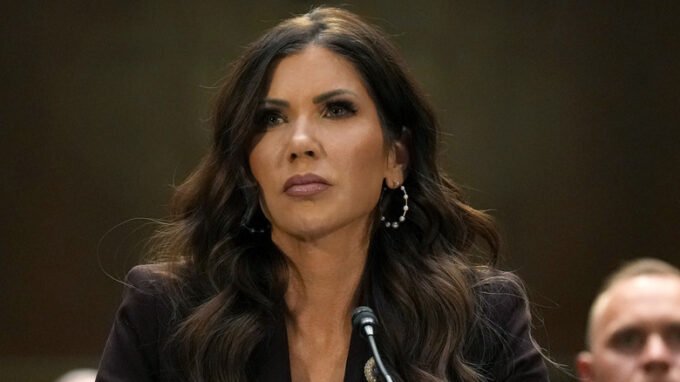
Also read: Hair, Same Drama: Kristi Noem’s Big Extension Moment
Final note
Fashion can provoke and it can offend. It can also be innocent. In this case, a single dress became shorthand for a complicated relationship and a rumored family split. Maybe the dress was a mistake. Maybe it wasn’t. Either way, the fuss around it reveals more about how we consume celebrity drama than it does about fabric choices. Clothes make headlines, but they don’t write the whole story.











Leave a comment