












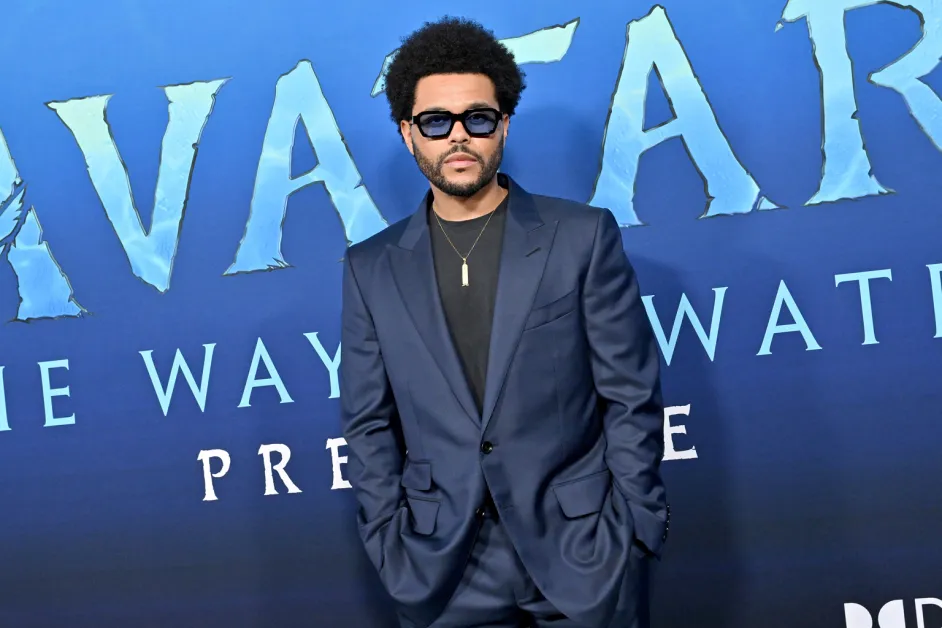
The Weeknd net worth is estimated at around $300 million as of 2026, which sounds like a lot until you start actually tracing how it was built — and then it starts to sound almost modest for someone who has been operating at his level for this long. He’s one of those artists where the money is almost secondary to the story, except the money story is actually fascinating once you look at it properly.
His real name is Abel Makkonen Tesfaye. He was born in Toronto, Ontario, to Ethiopian immigrant parents, and by his late teens he had dropped out of high school, moved out, and was sleeping on floors in the Scarborough area of Toronto with a small group of friends who were all trying to figure something out together. There was no plan, exactly. Just music, and a stubborn refusal to do anything else.
What happened next is one of the stranger origin stories in modern pop music.
Three Mixtapes and No Name
In 2011, he uploaded three mixtapes to YouTube anonymously. No press release. No label. No interviews. Just the music, under a name he’d half-borrowed from a band — dropping one “e” from “weekend” because apparently the other name was taken. The internet found it anyway. Within weeks, blogs were going insane trying to figure out who this person was. Drake posted about him. That probably didn’t hurt.
The sound was dark, layered, deliberately uncomfortable in places. R&B but not quite. Pop but not trying to be. It carved out its own space almost immediately, which is genuinely rare. Most artists spend years chasing a lane. He seemed to create one and then dare people to follow him into it.
By 2012, Republic Records had signed him. By 2015, he had the biggest song in the world. Can’t Feel My Face is the kind of track that crosses every demographic line simultaneously, which is exactly what labels dream about and rarely get.
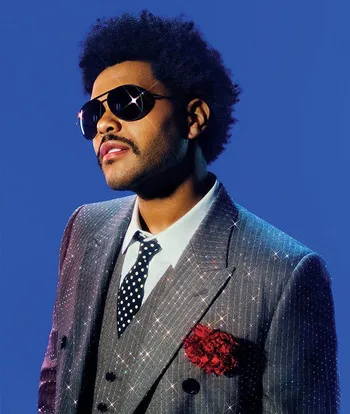
Where $300 Million Actually Comes From
Music sales and streaming are the foundation. His catalog — Beauty Behind the Madness, Starboy, After Hours, Dawn FM — has performed consistently across multiple album cycles, which is not something every artist manages. A lot of careers have one peak and then a long slope downward. His has had multiple peaks, which compounds the streaming income significantly over time.
Then there’s touring. His After Hours Til Dawn tour reportedly grossed over $200 million globally. That’s a single tour. When you’re selling out stadiums across North America, Europe, and beyond, the numbers stop feeling like music industry numbers and start feeling like something else entirely.
He’s also made moves outside music that don’t always get enough attention. He invested early in Dapper Labs, the company behind NBA Top Shot and various NFT projects. He has a stake in the cannabis space. There have been film and television projects, including his involvement in The Idol on HBO — which had a complicated reception critically, but kept his name in a different conversation entirely.
His XO label, which he co-founded, is both a creative home and a business entity. He’s signed other artists, built a roster, and created infrastructure around himself that generates income independent of whatever he personally releases next.
Perhaps the most interesting financial decision he’s made is one most people don’t think about — he’s never really stopped working. There’s no five-year gap in his catalog. No extended Hollywood pivot where the music dried up. He’s kept releasing, kept touring, kept the audience warm. In the streaming era, consistency is a revenue strategy. A dormant artist loses playlist placement, algorithm favor, cultural relevance. He seems to understand this in a way some of his peers don’t.
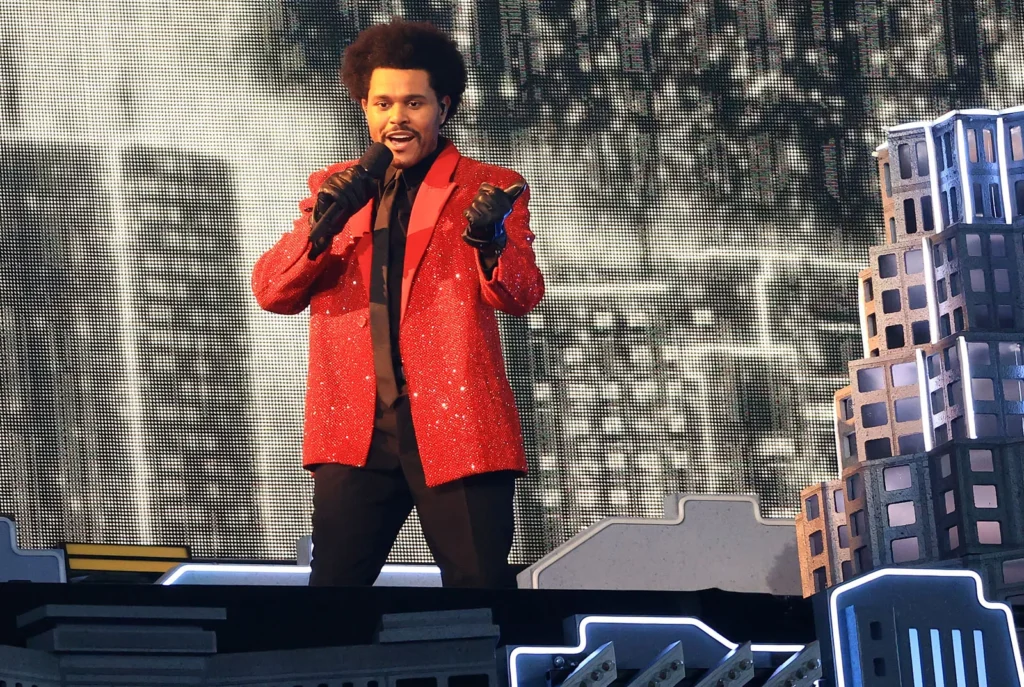
The Super Bowl halftime performance in 2021 — fully self-funded, reportedly to the tune of $7 million of his own money because the NFL doesn’t pay performers — was many things at once. A creative statement. A cultural moment. And, if you look at what happened to his streaming numbers in the weeks that followed, a fairly calculated investment.
He doesn’t give many interviews. Keeps the personal life relatively contained. Moves quietly for someone whose music is the opposite of quiet.
The $300 million estimate will probably look small in another decade.











Leave a comment