
![King Mitchy’s apology decoy to attack me – VDM raises alarm [VIDEO]](https://wowplus.net/wp-content/uploads/2026/03/king-mitchys-apology-decoy-to-attack-me-vdm-raises-alarm-video-680x408.jpg "VeryDarkMan Raises Alarm Over King Mitchy Apology, Says Something Feels Off 3")


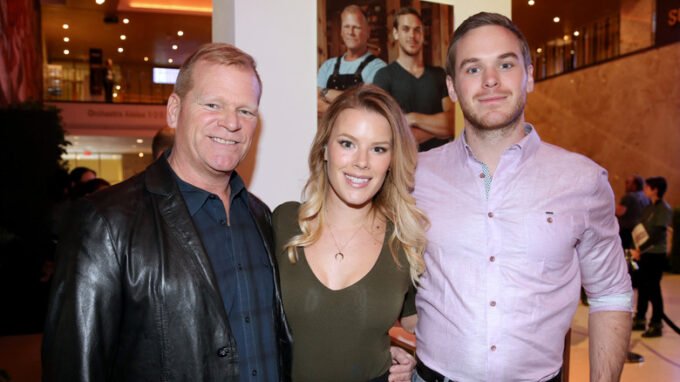
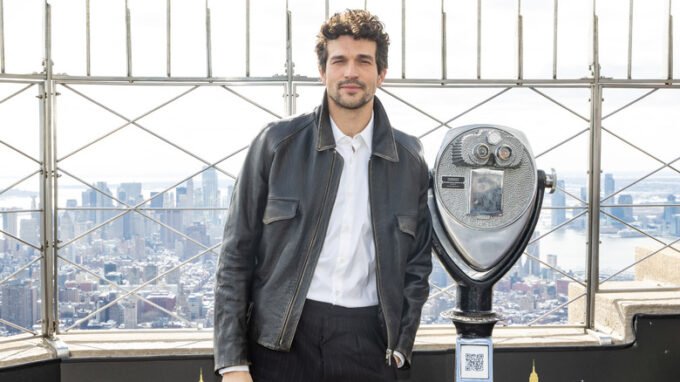








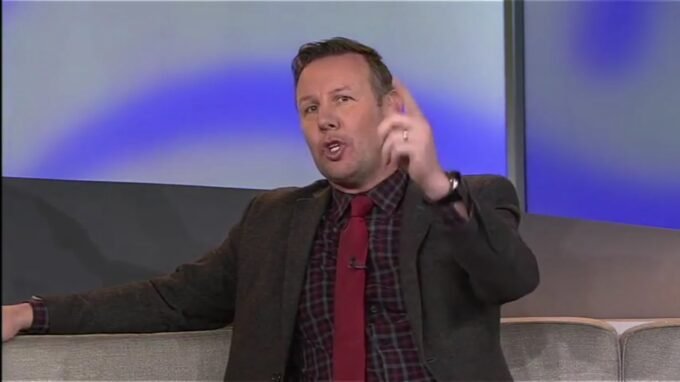
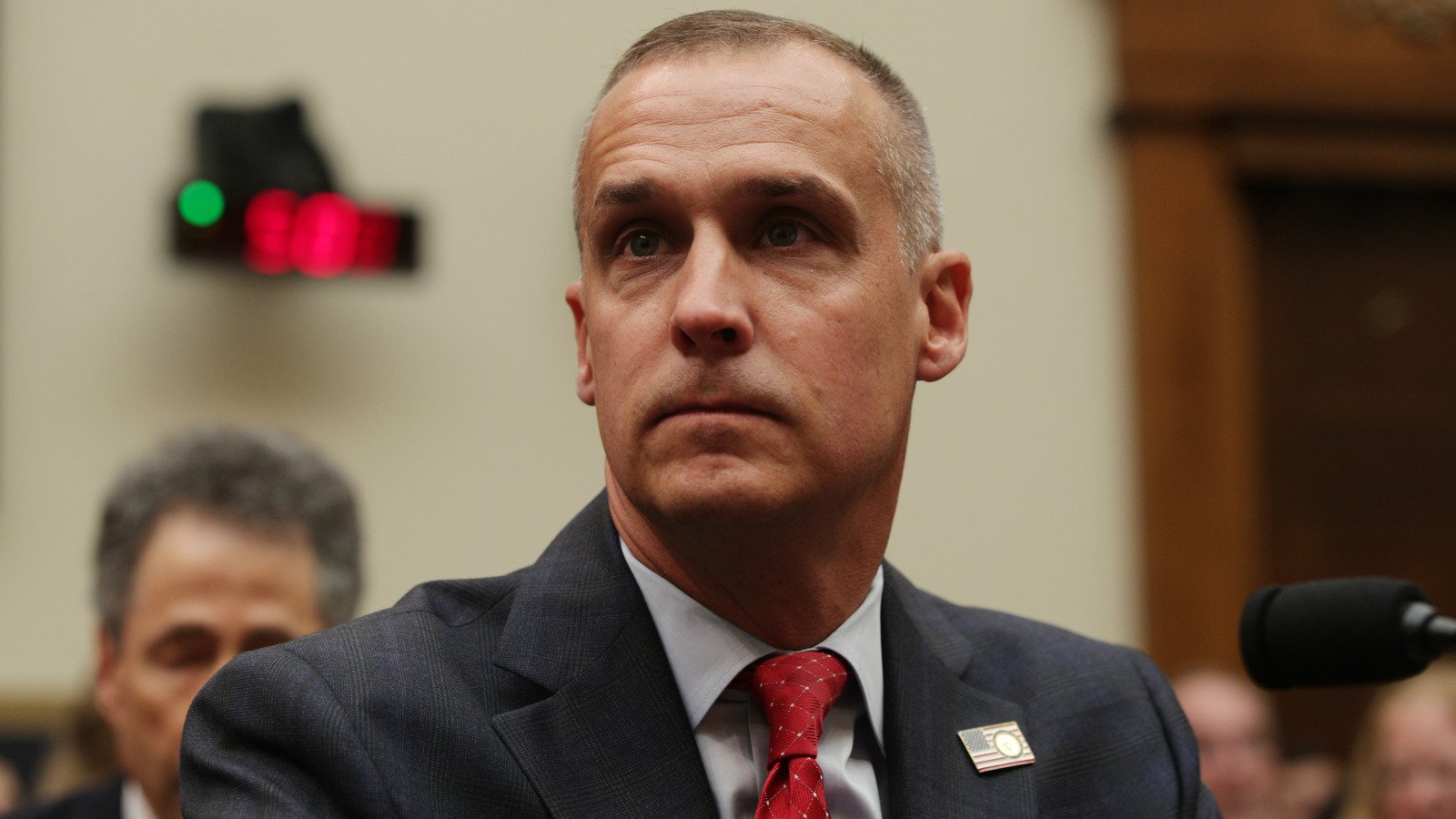
There’s something oddly conspicuous about a man who spends so much time in the spotlight and still can’t hide the slow retreat of his hairline. Up close, Corey Lewandowski’s bald patch is hard to miss. It’s been that way for years, and you could call it unfortunate, ironic, or — if you like a little dramatic flair — karmic. I don’t mean to be cruel. I’m just noticing a pattern, and patterns feel meaningful even when they’re only partly so.
A few photos from the mid-2010s already show the start of it. Back then it looked like a normal, gradual thing: thinning hair, a receding crown. But lately, the patch is more pronounced. It’s the sort of thing that catches your eye in candid shots and at times distracts from the person’s actions. Maybe that’s shallow of me to say, but appearances do shape impressions. We all know baldness can be purely biological — genetics, age, stress — yet when the person involved has a reputation full of messy headlines, people like to read symbolism into the picture. I admit I do, sometimes.
Why hair becomes a talking point for someone like Lewandowski is as much about the history as it is the look. Over the years, he’s been tangled up in controversies that range from physical confrontations to accusations of inappropriate behavior. Those episodes don’t erase the purely medical reasons for hair loss, but they do give observers extra rhetorical fuel. It becomes tempting to frame the hair as a visible tally mark of the public life he’s led. Maybe that’s unfair. Still, it’s human nature to narrate a person’s appearance alongside their narrative.
Also read: Barron Trump, Andrew Tate, and the Cost of Quiet Choices
A sketch of the troubles
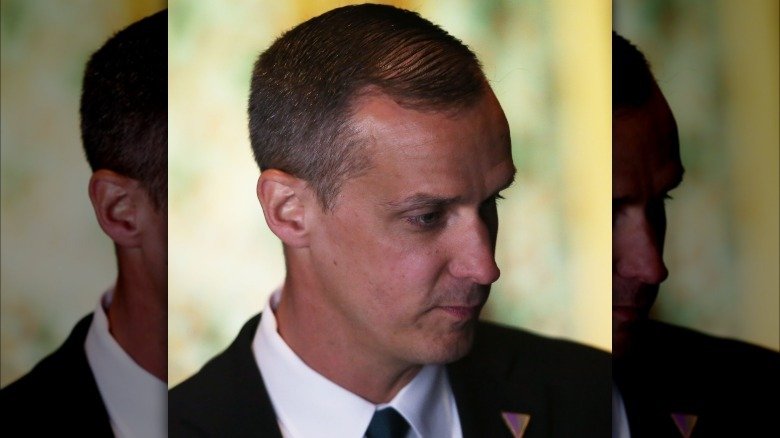 Spencer Platt/Getty
If you’ve followed the stories, you’ll remember a few specific incidents. In 2016, there was an episode with reporter Michelle Fields, where Lewandowski allegedly grabbed her arm; that led to legal trouble at the time. He fell out of and then back into favor within Republican circles. Then, more allegations surfaced over the years — accusations of harassment and stalking from another woman who said she’d been made to feel unsafe. Charges were brought at one point, and later dropped in a deal that required him to take impulse-control classes. Still, the headlines and the courtroom drama left a mark. People said he was fired, rehired, and wrapped again into the same orbit. It reads like a pattern of consequence and reprieve, which is partly why his public image feels unsettled.
There’s something to be said about how institutions and leaders react — or fail to react — when people are accused of misconduct. In this case, the back-and-forth hiring showed how reputations can be repaired or suspended depending on alliances and timing. I don’t want to paint everything black and white; things often aren’t that neat. But the cycle made some observers feel that accountability was uneven. For victims and bystanders, that uncertainty can linger, and it becomes part of the story that people remember.
Also read: ADC’s 2027 Puzzle: Where Do Atiku and Peter Obi Fit?
The small, human bits

I’ll admit I sometimes find myself lingering on the little things: a clumsy smile in a photograph, the way someone adjusts their jacket, or — yes — an exposed crown of thinning hair. Those details humanize, or at least ground, otherwise abstract controversies. They make the person seem less like an idea and more like someone sitting in a chair, with imperfect hair, making choices that have real consequences for others.
It’s worth noting that public figures often live in a kind of double life: the private, messy person and the polished image presented for consumption. The bald patch, the public allegations, the comebacks — all of that is part of a larger, messy tapestry. I don’t think one element explains everything. Hair loss doesn’t equal guilt; reputation doesn’t equal truth. Still, when many people associate certain behaviors with someone, even incidental things like their hair can start to feel like commentary.
How people interpret it
Different folks will read Lewandowski’s story differently. Some will shrug and say, “Everyone has flaws,” and move on. Others will see a pattern of troubling behavior and call for more consistent consequences. And some will latch onto symbolic details — the hair, the gestures, the old photographs — as if those details confirm a larger moral point. I suspect most people land somewhere in the middle, a little conflicted. That’s normal. I’m conflicted, occasionally. There’s a part of me that wants to be charitable, to assume complexity; another part that thinks accountability matters and feels unsatisfied when it seems lacking.
Also read: New Rules, Same Promise: How the Labour Party Sees 2027 Peter obi – Labour Party
A few small confessions: I felt oddly satisfied the first time I saw an unflattering candid photo of a well-known tough figure, maybe because it made them feel more fallible. Guilty? Maybe. But that reaction also tells you something about how people crave balance — or at least the illusion of it — when public behavior seems one-sidedly aggressive.
Where we leave it
Lewandowski’s situation is not unique. Plenty of public figures have faced a mix of allegations, apologies, defenses, and returns. The balding crown is a tiny, visible marker in a broader story about power, behavior, and what the public remembers. It’s tempting to draw neat moral lines, but life resists tidy endings. So we watch, we judge, we hope for fair outcomes, and sometimes we just notice the little details that make the whole thing oddly, humanly real.







Leave a comment