





















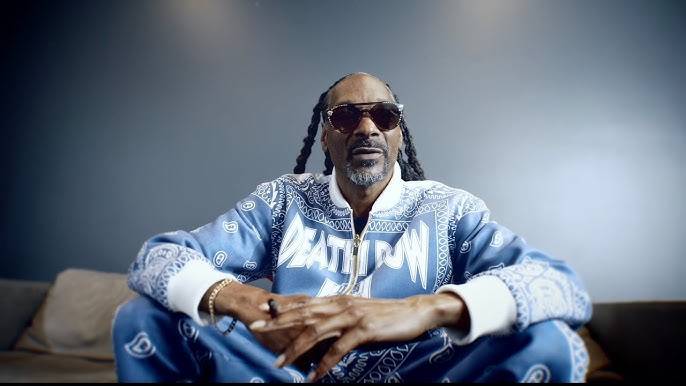
Snoop Dogg biopic plans have moved into a clearer phase, with Universal setting a summer 2027 release date and Jonathan Daviss attached to play the rapper.
The film, titled Snoop, is being presented as a major account of the artist’s life and career rather than a quick celebrity project. Daviss, known to many viewers from Outer Banks, will take on a role that requires more than copying a voice or wearing familiar clothes. He will be asked to portray a man whose public image has changed repeatedly across more than three decades.
Snoop Dogg began as one of the defining voices of West Coast rap, then expanded into film, television, business, sports and family entertainment. That range gives the filmmakers a rich story, but it also creates a difficult question: which version of Snoop should the movie treat as the centre of the narrative?
A successful biopic will need to connect the early music, the controversies, the friendships and the later mainstream success without reducing him to a sequence of famous moments.
Jonathan Daviss faces a demanding transformation
Daviss has built a following through television, but playing a living music icon brings a different level of scrutiny. Snoop’s voice, posture and timing are instantly recognisable. An imitation may work for a short sketch, yet a full film needs an emotional performance that remains convincing even in quieter scenes.
The casting also places a younger actor inside a story that many viewers already know. Fans have watched interviews, music videos, concerts and documentaries featuring Snoop himself. They will compare the performance with decades of real footage, making small details unusually important.
At the same time, Daviss has an opportunity to show parts of the artist that public appearances do not always reveal. Biopics often work best when they move behind the finished persona and examine the decisions, fears and relationships that shaped it.
Wowplus readers who follow Snoop Dogg’s long entertainment career will know that he has repeatedly reinvented himself. Related coverage of music biopics and rappers portrayed on screen also shows how difficult it is to balance celebration with honest drama.
The story reaches far beyond one era of hip-hop
Snoop emerged nationally in the early 1990s through his work with Dr. Dre. His relaxed delivery became one of the most distinctive sounds in rap, and his debut album helped establish him as a major figure. That period alone could support an entire film, especially because it included sudden fame, legal pressure and the expectations surrounding a young artist connected to a powerful new musical movement.
Yet audiences also know the later Snoop. He became a television personality, appeared in comedy, worked with artists from different genres and developed a warm public friendship with Martha Stewart. He has coached youth football, promoted brands and appeared at major global events. The contrast between his early reputation and his later image is one of the most interesting parts of his career.
The filmmakers will therefore have to decide how much time to spend on each stage. A movie that rushes through every achievement may feel like an illustrated timeline. A film that focuses too narrowly could leave viewers wondering why so much of his transformation was ignored.
The presence of Snoop himself in the project may help with access and detail, although artist involvement can create another challenge. A biopic needs enough distance to show conflict and contradiction. Fans usually respond poorly when a film feels like a polished advertisement.
A 2027 release creates room for careful production
Setting a summer 2027 date gives the production a clear target and signals confidence from the studio. Music films can attract audiences beyond the artist’s core fan base when they offer a strong performance and a recognisable catalogue. They can also introduce younger viewers to cultural history they know only through samples, memes or family stories.
Snoop’s catalogue and connections create obvious possibilities for the soundtrack. His work with Dr. Dre and other major artists is central to his story, but music rights can shape what a biopic is able to show. The strongest scenes often depend on using the correct songs at the correct moments rather than generic replacements.
Another important issue will be tone. Snoop’s personality contains humour, but the early chapters of his life involve serious pressure. The movie must avoid turning difficult events into decoration while still capturing the charm that helped him survive changing trends.
Daviss may also need to portray the gap between Calvin Broadus, the private person, and Snoop Dogg, the public character. That difference can give the film emotional weight. Fame is not only a collection of performances; it can become a role that an artist must carry into every room.
The Snoop Dogg biopic now has the basic ingredients of a major release: a studio, a lead actor, a famous subject and a date. What remains unknown is the exact shape of the story. Will it concentrate on the rise of West Coast rap, follow the full arc into mainstream celebrity or use one turning point to explore everything around it?
Those choices will determine whether Snoop becomes another familiar music biography or a film capable of explaining why one artist remained culturally visible long after his first breakthrough.











Leave a comment