
![‘I was under pressure’ – Chris Okafor makes U-turn, withdraws apology to Doris Ogala [VIDEO]](https://wowplus.net/wp-content/uploads/2026/03/i-was-under-pressure-chris-okafor-makes-u-turn-withdraws-apology-to-doris-ogala-video-680x408.jpg "When an Apology Backtracks: Chris Okafor, Doris Ogala, and the Messy Middle 1")








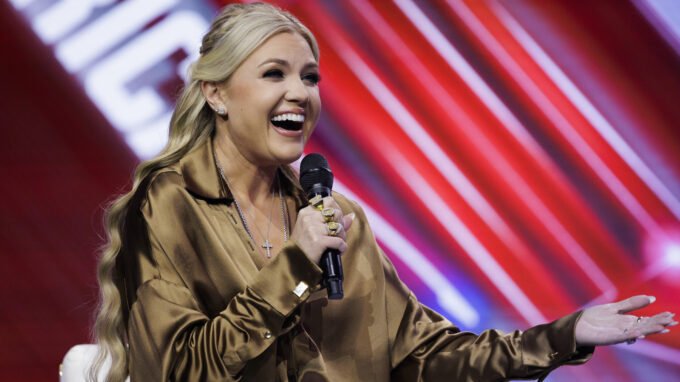
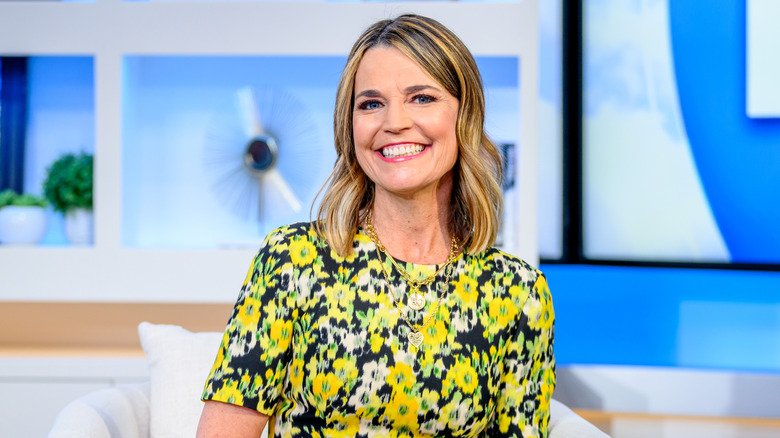
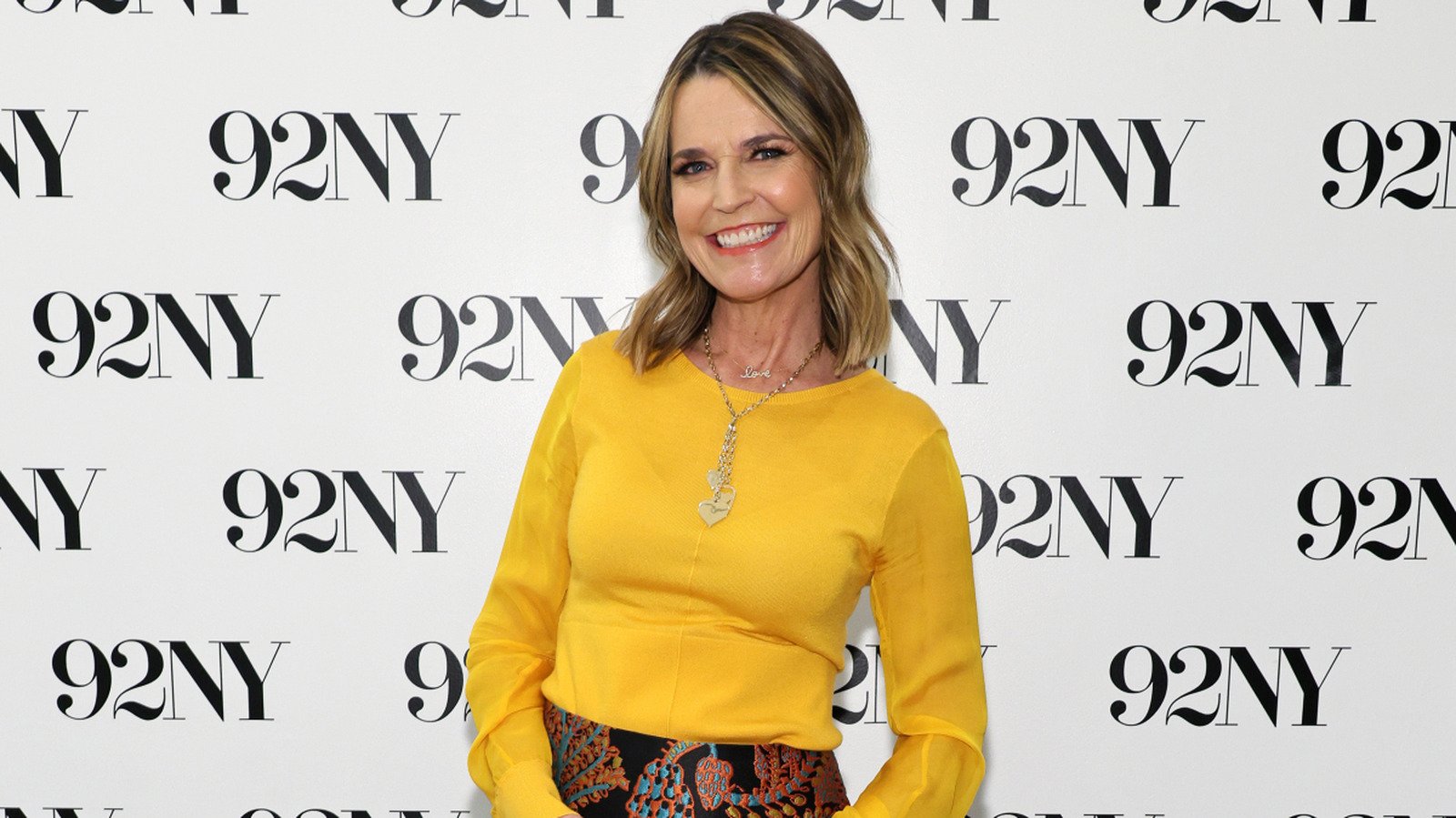
Something odd happens when a public figure changes, even slightly. People notice. They comment. They seek explanations. Savannah Guthrie’s recent surgery and the shift in her speaking voice set off that exact chain. Fans who had been puzzled by the sound of her voice before the procedure now seem relieved — and loud about it. But the story doesn’t end with a healed throat and a round of congratulations. There’s the show, its chemistry, and the quiet, messy way teams readjust when someone steps out and then steps back in.
A voice fans remember — and sometimes misremember
I’ll admit I had to pause when I first heard the chatter: “I had forgotten what she sounded like before… glad all went well!” That was one comment on the “Today” show’s Instagram, and there were dozens like it. Others were more effusive: “You sound AMAZING!!” and “You are missed!!” People were excited about her return, even hoping for a triumphant Monday back on set. It’s a normal reaction. We attach a small, specific memory to a voice — the cadence, the timbre — and when that shifts, it feels like a tiny personal loss or restoration.
Also read: When Privacy Looks Like a Puzzle: Pam Bondi and John Wakefield
What strikes me is the mix of relief and celebration. Fans aren’t just happy her health is better; they’re celebrating the version of her they remember. That’s human. We want familiarity. We like to slot someone’s voice into our mental soundtrack of their public persona. When it’s different, we notice. Sometimes we’ve talked ourselves into thinking a change was worse than it was; sometimes it genuinely is different. Either way, people respond.
Backstage: a different story
Now for the other layer: what happens among co-anchors and the people who actually work together day in, day out? Rumors have been swirling — not surprising in daytime TV, where behind-the-scenes tension is basically part of the landscape. Reports (noting: from a tabloid) suggested that the vibe on the “Today” set changed while Guthrie was away. According to those accounts, without her present, the group’s dynamic became looser, more equal — “less classroom, more ensemble,” one source allegedly said. That phrasing sticks with me because it captures something subtler than “better” or “worse.” It suggests roles shifted, hierarchies relaxed. People who normally fill supporting spots had a little more room to breathe.
Also read: When Privacy Looks Like a Puzzle: Pam Bondi and John Wakefield
It’s tempting to read this as simple relief or even triumph for the others. But human dynamics rarely split cleanly into winners and losers. If an anchor who has been a central figure steps back, others adjust. Some might relish the freedom; some might resent it later. And it can be awkward when the person returns — because the group has already learned a new pattern. That can create friction even if nobody sets out to make trouble.
The personality puzzle

Another thread in the conversation is personality. Some reports paint Guthrie as different off-camera than the sunny, polished TV presence viewers see. If that’s true — and it might be, or it might be an interpretation that grew in the telling — it helps explain why other hosts reportedly felt more relaxed in her absence. TV shows are performative, yes, but they’re also daily workplaces where personalities clash in small, accumulative ways. If someone has a strong presence that everyone orbits around, their absence can feel like a release valve. That doesn’t mean they’re a bad person, or that everyone preferred the show without them; human relationships are messier than that.
Also read: Political Figures Transformed by Mar-A-Lago Makeovers
Ratings and reaction: correlation, not always causation
Tabloid-sourced claims also floated that viewership rose while Guthrie was out. There’s a neat narrative there — someone leaves, ratings go up, and then that person takes it personally. But I’d be cautious drawing big conclusions without solid numbers. TV ratings fluctuate for many reasons: guest hosts, news cycles, seasonal viewing habits. Still, in the court of public opinion, stories that serve a tidy arc — tension, absence, ascendancy — are irresistible. Whether Guthrie took that news hard, as some reports claim, is plausible. People who’ve built careers in visible roles often tie a lot of identity to success metrics. I’d be surprised if she didn’t feel the pressure.
Pressure and precedent
It isn’t the first time the strain of keeping a morning show at peak performance has been put on one person. Earlier accounts suggested Guthrie felt heavy responsibility when Craig Melvin joined as co-anchor and Hoda Kotb had recently moved on. The idea is simple: leadership on a live daily show is not just about reading a teleprompter. It’s about steering tone, managing transitions, and, perhaps most quietly, carrying viewer trust. That’s a lot. If an anchor senses that the mantle of leadership is firmly on their shoulders, stress follows. Again, that’s not unique to Guthrie; it’s part of the job description, and people react differently.
Also read: Political Figures Transformed by Mar-A-Lago Makeovers
A return that’s not a reset
So here is where we land. Guthrie is reportedly recovered and eager to return. Fans are relieved; they miss the familiar sound. Reports say the show hummed differently without her, and some people—sources and observers—say that was for the better. There’s a weird, human truth in all of that: teams evolve when someone leaves, and they don’t automatically rewind when that person comes back. The trick — and this is true in any workplace — is adjusting again, carefully. People who grew used to a new rhythm may have mixed feelings; the returning person has to find their place in the revised flow.
I don’t know the full truth behind the headlines, and neither do you. But I do see the pattern: health issue, recovery, a chorus of fan support, and backstage recalibration. It’s messy. It’s understandable. And it’s going to take some time for the whole ensemble to settle back into whatever the “new normal” looks like.









Leave a comment