

![Armed robbers evade Adegbodu Twins’ home days after Taiwo’s burial [VIDEO]](https://wowplus.net/wp-content/uploads/2026/04/armed-robbers-evade-adegbodu-twins-home-days-after-taiwos-burial-video-680x408.jpg "Adegbodu Twins Robbery Scare Leaves Family Shaken Days After Taiwo’s Burial 4")


![‘I had crush on Tiwa Savage, she introduced me to Backy’ – Crayon reveals [VIDEO]](https://wowplus.net/wp-content/uploads/2026/04/i-had-crush-on-tiwa-savage-she-introduced-me-to-backy-crayon-reveals-video-680x383.jpg "Crayon Opens Up About Tiwa Savage Crush and a Moment That Changed His Habits 29")






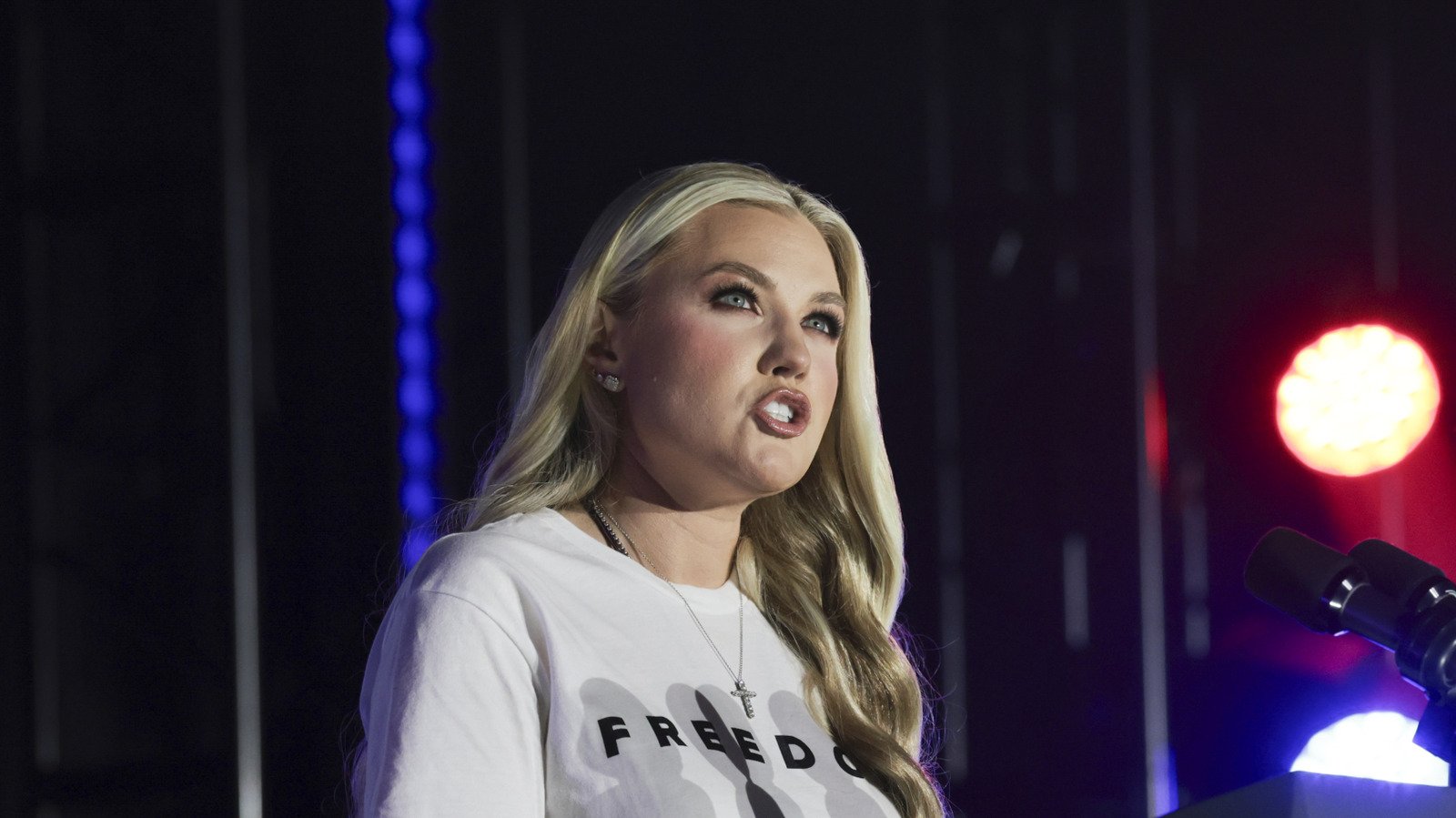
When someone steps into the spotlight fast, people tend to fill in the blanks — sometimes with facts, often with guesses. That’s what happened to Erika Kirk after the tragic death of her husband, Charlie Kirk. She went from being a supportive spouse and occasional public figure to the CEO of a high-profile conservative organization almost overnight. With that came intense attention, and, predictably, a flood of conspiracy theories and ugly claims. Some are petty, some are wild, and a few are outright dangerous. I’ve read a lot of it and, honestly, parts of it made me sigh. People want answers. They want a story that fits their view. But that’s not how reality usually works.
Grief, fame, and the quick job promotion
Charlie Kirk’s death in September 2025 was violent and sudden. He was shot while speaking at an event, and the accused shooter died at the scene. Erika — former pageant winner, nonprofit founder, private person — suddenly found herself leading Turning Point USA and fielding an onslaught of public scrutiny. She did interviews, she spoke about her family, and she tried to protect what remained sacred to her household. Even so, some viewers took her composure as evidence of something sinister. I don’t know about you, but people process trauma differently. That doesn’t make someone guilty.
Also read: Oprah Winfrey’s Noticeable Weight Loss Sparks Talk of “Ozempic Neck”

A lot of the heat came from fellow conservatives who expected a particular kind of public sorrow. When Erika filmed a plea on a TV show asking to be allowed a single sacred thing — her family’s memory — some dismissed it. Candace Owens, a frequent provocateur, said Erika’s emotions didn’t look genuine. That statement, amplified online, helped turn rumor into perceived fact for many. It’s worth noting: appearing “too composed” after a tragedy is not proof of wrongdoing. It’s just human variability.
The Egyptian plane story — coincidence or something darker?
One of the odder claims accused Erika of being followed by Egyptian military planes whenever she traveled. This got traction after a commentator shared flight records and suggested the pattern was more than coincidence. The math was presented as a smoking gun by some, and naturally people began whispering about espionage or secret allegiances.

Let’s be clear: the accusation leans heavily on circumstantial connections and leaps in logic. Flight logs and timestamps can be interpreted in many ways. Correlation is not causation. Also — and this is banal but real — people get pregnant, they travel, they do charity work abroad. One time I checked, an alleged match of travel dates doesn’t equal proof of collusion. Erika herself pushed back in public interviews, even joking about cravings and milkshakes while calling the idea absurd. The argument that Egyptian planes were tracking her personally remains unproven and, frankly, a bit sensational.
Old charity work becomes a target
Erika’s philanthropic history also got dragged into the rumor mill. Years earlier she’d helped start an initiative that supported community projects, including work with an orphanage in Romania. The project was framed as a heartfelt attempt to do some good, and it apparently wound down after 2017. After Charlie’s death, fringe voices resurrected the Romania project and claimed it masked worse crimes, including trafficking.
Also read: Public Figures Who’ve Clashed With Former CNN Host Don Lemon
Those claims escalated fast. Social posts linked her group to traffickers and even floated ties to notorious figures from other scandals. There’s no evidence to support these allegations. Still, once a rumor gains velocity, it’s hard to stop. People remember the accusation even when it’s disproved — or when no proof is offered at all. That’s ugly, and it damages reputations in ways that are difficult to repair.
Messages and mentoring: the grooming allegation

Another strand of the story involves private messages exchanged years ago between Erika and a woman who was a minor at the time. Screenshots circulated showing what some interpreted as flirtatious or inappropriate comments. That alone is alarming and worth scrutiny — adults should be careful about relationships with minors — but context matters. Those involved described a long-term mentoring relationship that began when one person was young and ended up being remembered differently later on.
A commentator dug into the text exchanges, spoke to the woman, and concluded there were red flags. Others said the messages were innocent or taken out of context. I don’t have direct access to the original threads, and public screenshots can be edited or misread. With something this sensitive, it’s reasonable to want a careful, official look rather than a social-media trial by screenshot. At minimum, these messages raised questions. At the same time, they don’t automatically equal intentional harm.
How rumors spread — and why they stick
What’s striking across all of these stories is a pattern: a factual seed — a flight log, a philanthropic project, a private message — is combined with speculation and shared widely. Influential figures amplify it. People latch on because the story is tidy or confirms an existing bias. That mix breeds stubborn rumors. Also, accusations that are dramatic — assassination plots, international spying, child trafficking — are more likely to spread because they trigger strong emotions.
This doesn’t mean every question should be ignored. Public figures should expect scrutiny and, if wrongdoing is suspected, there should be investigations. But rumor culture often bypasses basic standards of evidence. It substitutes narrative for verification. And that hurts real people.
Where things stand now
Erika has denied or declined to respond to many of these accusations in detail. Some accusations are demonstrably unproven; others are still debated in public conversations. What’s clear is that she, like anyone, deserves due process and some basic fairness in how claims are handled. Being public doesn’t mean losing the right to be judged by facts rather than by the loudest online voices.
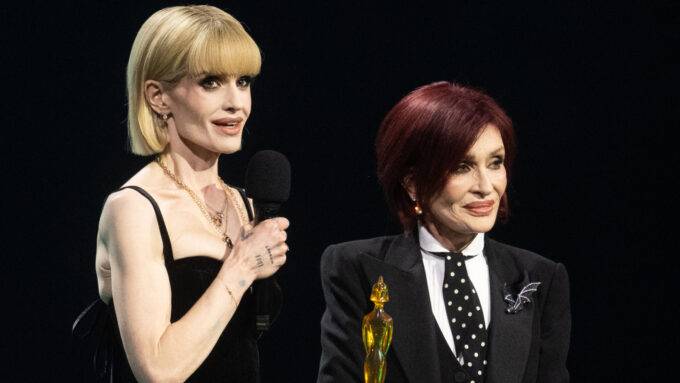
Also read; The 2026 BAFTA Awards Turned Into a Red Carpet Fashion Flop
I don’t know all the answers. I’m wary of jumping to conclusions, and I’m also aware how easily gossip can look like news. These stories tell us more about how we form beliefs in a digital age than they do about any single person. People will keep talking. Some claims may be investigated further; some will fade. Either way, it’s worth pausing before accepting the most dramatic explanation. Often, the truth is less tidy — and less satisfying — than the rumor.





![Armed robbers evade Adegbodu Twins’ home days after Taiwo’s burial [VIDEO]](https://wowplus.net/wp-content/uploads/2026/04/armed-robbers-evade-adegbodu-twins-home-days-after-taiwos-burial-video-200x120.jpg "Adegbodu Twins Robbery Scare Leaves Family Shaken Days After Taiwo’s Burial 152")





Leave a comment