

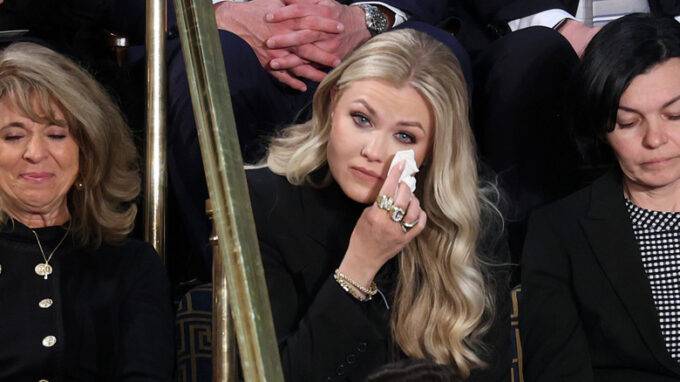












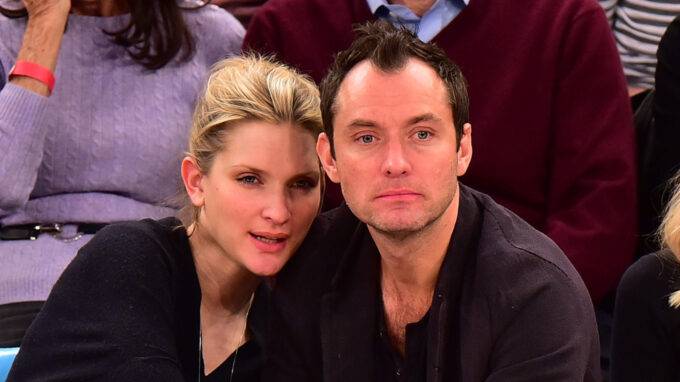









There’s been a lot of talk about Pam Bondi’s slimmer appearance lately. People notice when public figures change—quickly, especially—and they want answers. I’ll try to lay out what’s obvious, what people are guessing, and why this whole conversation feels messy and a bit personal. I don’t know what she did, obviously, but some things about her face have changed in ways that are easy to spot. That alone is worth thinking about.
Two noticeable signs
First off: the eyes. In some photos, the area around Bondi’s eyes looks more hollow than before. That shadowed, slightly sunken look can come from losing facial fat. When someone drops a lot of weight in a short time, the soft tissue that once filled the space under the eyes can shrink. The result: more pronounced hollows and sometimes more visible lines. It’s subtle in everyday life but shows up clearly in close-up photos or under certain lighting. I’ve seen that effect myself after a stressful few months—nothing dramatic, just the face appearing a bit thinner, older even.
Second: the neck. On some pictures, the skin on her neck appears looser or more creased compared with older images. The neck tends to reveal volume loss faster than other parts of the face. Fat under the jaw and around the throat helps smooth skin; when that volume drops, the neck can show creases or sag that pull focus. People point to the neck because it’s a place where weight-loss effects are often most obvious, and in Bondi’s case it’s one of the reasons folks are speculating about how she lost pounds so visibly.
Also read: Growing Up Redford: Loss, Survival, and the Unscripted Parts of Family Life
Speculation about Ozempic and rapid weight loss
 Win Mcnamee & Chip Somodevilla/Getty
A lot of the chatter centers on the class of drugs known as GLP-1 agonists—Ozempic being the brand name many toss around. Online commenters have suggested that a large, relatively quick weight drop (some reports put it near 50 pounds) looks like what people typically associate with those medications. That’s not proof, of course. It’s just pattern-matching: someone sees a quick change, they connect it to a known cause.
Bondi hasn’t publicly confirmed using any particular medication. In a past interview she framed the changes as the result of lifestyle adjustments. She said long hours and nonstop travel had made her old habits unsustainable, and that she’d worked to take better care of herself. That explanation is believable—people do lose weight through diet and routine changes—but it doesn’t end the guessing. Why would it? Public figures rarely get privacy around their bodies.
What about cosmetic procedures?

Beyond weight-loss talk, there are also whispers of cosmetic work. Some plastic surgeons who look at public photos have offered opinions—some saying they think surgical lifts were done; others suggesting non-surgical treatments or injectables could explain certain refinements. The main areas they mention: the jawline, the skin around the mouth, and the under-eye region. One surgeon pointed to less sagging near the jaw as something that might indicate a surgical neck lift or facelift. Another said the improvements around the under-eye bags could have come from fillers, laser treatments, or even minor procedures.
Also read: Top 10 HGTV Shows That Overstayed Their Welcome
It’s worth noting that these professional takes are themselves speculative when based only on photos. Lighting, makeup, angles, and photo editing all change how the face reads. I’m also inclined to trust that doctors trained to evaluate these things can see subtleties, but still—without a patient history or confirmation, it’s guesswork. And even experts can disagree, as happened with Bondi’s case.
How treatments and weight loss interact
There’s another wrinkle—pun intended—in this whole story: weight loss and cosmetic treatments can interact. Someone might lose weight and then seek treatments to restore volume or tighten skin. Or someone might have cosmetic work and then lose weight that changes the results. Timing matters. A treatment that looks fresh and smooth right after it’s done can look less so months later, especially if weight keeps changing or if maintenance treatments don’t happen.
That might explain why some photos show improvements while others show hollows or sagging. If one snapshot is from soon after a procedure or after a period of stable weight, and another is from months later after more weight fluctuation or a busy schedule, the face won’t look the same. People in demanding jobs—travel, long hours—often skip upkeep, and aesthetic treatments can fade without follow-up.
Why people care
Why do we spend so much time dissecting a public figure’s face? Partly it’s curiosity. Partly it’s the broader conversation about how we age and how available interventions are now—drugs, injections, surgery. There’s also judgment, sometimes unfair, about choices people make about their bodies. It’s worth remembering Bondi is a person with a private life that intersects with a public one; interpreting photos isn’t the same as knowing her health or decisions.
A few thoughts to finish
So, what’s the simplest takeaway? Bondi’s face shows signs that are commonly associated with relatively rapid weight loss—sunken eyes and changes in the neck area. People have also suggested cosmetic procedures could be involved; professionals disagree on whether anything surgical was done and some suggest non-surgical options instead. Bondi has said lifestyle changes played a role in her transformation, and she hasn’t confirmed any drug use or surgery.
I don’t know which explanation is true, and honestly, unless she says so, we’re left with careful observation and a lot of speculation. It’s okay to notice changes. It’s less okay to assume motives or medical details we don’t have. Either way, the photos do show a clear change in her appearance that has made people talk—and that conversation will probably keep shifting as new images appear.














Leave a comment