
![‘I was under pressure’ – Chris Okafor makes U-turn, withdraws apology to Doris Ogala [VIDEO]](https://wowplus.net/wp-content/uploads/2026/03/i-was-under-pressure-chris-okafor-makes-u-turn-withdraws-apology-to-doris-ogala-video-680x408.jpg "When an Apology Backtracks: Chris Okafor, Doris Ogala, and the Messy Middle 3")








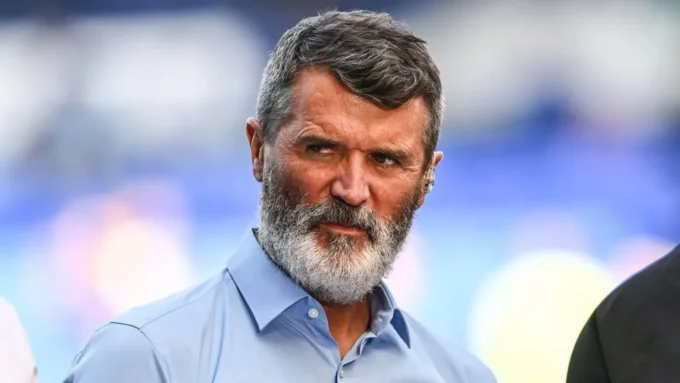

Rabiu Musa Kwankwaso, who ran for president in 2023 under the New Nigeria Peoples Party (NNPP), made a striking claim in a recent interview with BBC Hausa: the 2027 elections will be the toughest in Nigeria’s democratic history. That’s a bold statement — and it landed in a country that, by now, has seen its share of drama at the ballot box. But if you listen closely to what he’s saying, it’s not just rhetoric. It’s a read of shifting public mood, and maybe a warning.
A sense of urgency
Kwankwaso’s basic point is simple: people know more now. Radio, social media, messaging apps — these channels have spread information, true and false, widely and fast. That has two obvious effects. First, citizens are less likely to be passive. They hear about governance failures, corruption, service breakdowns; they compare notes. Second, they become harder to sway with old tricks — cash handouts, promises shouted from campaign stages, or the familiar pressure of local power brokers. In short, awareness brings a new kind of impatience. People want change. They’re looking for a way out of the current situation, and they’re not willing to accept the same scripts.
Also read: How Divorce Changed Kate Hudson — The Quiet Aftermath and What Came After
This isn’t just campaign flair. Kwankwaso points to real behavioral shifts: voters checking facts, demanding answers, talking back to politicians. I’ve seen this too — people calling for transparency in ways they didn’t before, or organizing small groups that push for accountability. It’s messy. It’s also unpredictable. You can plan a campaign, but can you plan for millions of small, independent decisions made by people who feel they finally have a voice? Maybe not.
The role of media and misinformation
There’s an irony here. The very tools that empower citizens also spread confusion. Social media has been a force for civic engagement, yes, but it has also amplified rumors and polarizing content. Kwankwaso mentions radio and social media as engines of change — and that’s true. They help voters learn. But they also make elections noisier, more volatile. Something can trend one day and vanish the next, yet the damage — or the advantage — can stick.
That’s an important nuance. When he says voters will “not sell their votes,” he’s expressing confidence in a more informed electorate. I want to believe that — and I also worry. People may claim they won’t be bought, but how many decisions are made under pressure, or out of fear, or because the nearest option offers immediate relief? Political awareness doesn’t erase context: poverty, insecurity, local loyalties. Those factors still matter. Yet the conversation is changing, and that alone can make elections less predictable.
What “toughest” might mean
When Kwankwaso predicts the “toughest” election, he’s probably talking about several things at once. It could mean tougher competition among parties, with candidates forced to be more responsive and less cavalier. It might mean more scrutiny from watchdogs, journalists, and ordinary citizens. Or it could mean that the electoral process itself faces fresher challenges: legal battles, protests, or intense disputes over results. All of these would make the 2027 cycle feel grittier than previous ones.
He finished fourth in 2023, behind Bola Tinubu (APC), Atiku Abubakar (PDP), and Peter Obi (LP). That’s relevant because it shows he still commands a base, and he’s speaking from a place of continued involvement in national politics. That perspective matters: he’s not an outsider predicting from the sidelines. He’s lived through campaign cycles, knows the mechanics, and senses where the gears are grinding.
What could change the game?
Several things could amplify Kwankwaso’s forecast. One is continued economic hardship. When people struggle to afford basic needs, their tolerance for the status quo drops. Another is youth participation: Nigeria has a very young population, and if more of those young voters show up, they could reshape outcomes. A third is the electoral infrastructure itself — if the voting system becomes more transparent and secure, then petty manipulation has less room to operate. Conversely, if the system is seen as flawed, tensions could rise.
Local dynamics will also matter. Nigeria is not a monolith; regions have different priorities and histories. What triggers sharp reactions in one state might barely ripple in another. That unevenness is part of why 2027 could feel “tougher” — because national narratives will be tested against diverse local realities.
Also read: When Noise Meets Silence: Why Lagos APC Says ADC No Longer Matters
A final thought — and a caution
Kwankwaso’s prediction reads like both hope and challenge. Hope, because an informed electorate could push for real change. Challenge, because the path there is uncertain and possibly turbulent. I find that mix believable. I also find it a little unnerving: democracy works best with trust, and trust is thin right now. If the 2027 election becomes a referendum on the current hardships, then the stakes are enormous. People could insist on accountability, or they could be driven toward riskier choices out of frustration.
Either way, we should expect a louder, more contested political season. Expect new alliances, sharper debates, and maybe outcomes that surprise those who assume the old rules still hold. And yes — expect some messiness along the way. Real people react in real time, and they don’t always follow tidy patterns.








Leave a comment