

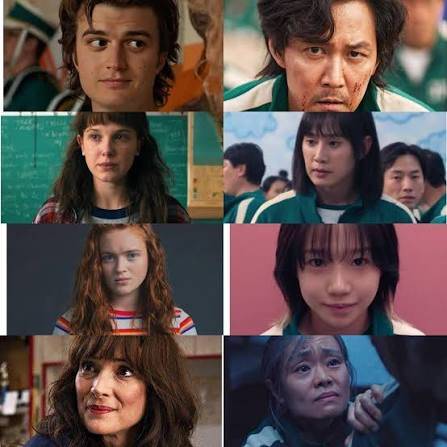























Netflix Minigolf launches on July 28 as a television party game that brings Stranger Things, Squid Game and Bridgerton into one playful crossover.
Developed by Next Games, the title combines minigolf with pinball-style obstacles and themed hazards. Players use their phones as controllers while the shared action appears on a compatible television through Netflix.
The idea is simple enough for a group to understand quickly: aim a shot, manage power and try to reach the hole while familiar characters, objects and locations interfere. The larger strategy for Netflix is more ambitious. It is turning passive viewing franchises into social activities that keep the service open after an episode ends.
A crossover built for the living room
Stranger Things, Squid Game and Bridgerton attract different audiences. One is supernatural science fiction, another is a violent survival drama, and the third is a romantic period series. Minigolf gives Netflix a neutral structure in which those worlds can exist together without needing a complicated shared story.
A course can borrow the visual identity of Hawkins, the recognisable shapes and colours of Squid Game, or the decorative style of the Bridgerton universe. Players do not need to understand every plot detail. Recognition adds humour and atmosphere, while the basic game remains accessible.
That accessibility matters because party games work best when new players can join with little explanation. A complicated role-playing system would exclude people who only want a short group activity. Minigolf offers an instantly familiar goal.
Phones remove the need for extra controllers
Traditional console party games often require several controllers, which can become expensive or difficult to set up. Netflix uses a model in which players scan a QR code and connect their phones.
The television becomes the shared display while each phone handles input. Most households already have the required devices, so the barrier to trying the game is lower than buying new hardware.
The system is not completely frictionless. Compatible televisions, stable internet connections and regional availability may vary. Players also need enough battery life and a phone that can connect correctly. Netflix will need clear instructions when technical problems appear.
The pinball influence gives each course more spectacle
Real minigolf depends on ramps, corners and themed obstacles. A digital version can add moving creatures, sudden changes and exaggerated physics that would be impossible in a physical venue.
A Demogorgon can become a hazard, while the Young-hee doll from Squid Game can create a timed challenge. Bridgerton-inspired levels can use gardens, decorations and social-event imagery without reproducing the darker tone of the other franchises.
The pinball element suggests that luck and reaction may matter alongside careful aiming. That is useful for a party game because less experienced players can still produce surprising results.
Why Netflix is investing in TV games
Netflix has experimented with mobile games, interactive programmes and franchise-based experiences for years. Television party games represent a clearer connection to the company’s main product because they begin inside the same screen viewers already use for streaming.
The service has added titles such as Pictionary, Boggle, Tetris Time Warp and LEGO Party. It has also brought Jackbox games to the platform. Together, these releases show a focus on group play rather than trying to compete directly with complex console blockbusters.
That position makes sense. Netflix can offer quick entertainment to subscribers who may not identify as gamers. A family or group of friends can move from watching a show to playing without changing devices.
Popular shows become reusable entertainment brands
Streaming series are expensive to produce, and long gaps between seasons can weaken audience attention. Games allow Netflix to keep a franchise visible during those gaps.
Stranger Things already has a strong connection to games and 1980s pop culture. Squid Game naturally suggests competition, while Bridgerton offers visual style and a large fan community. Minigolf uses those identities without needing new episodes or the full original cast.
The approach also tests which franchises encourage interaction. If players spend more time in one set of courses, Netflix gains information that could influence future games and experiences.
The service is competing for leisure time, not only viewing time
Netflix’s main competition is broader than other streaming platforms. Social media, video games, YouTube and live events all compete for the same evening hours.
A party game keeps subscribers inside the Netflix environment while offering a different activity. It may not directly increase the number of films or episodes watched, but it can make the subscription feel more useful.
The risk is confusion. Some viewers may not know games are available, and others may not find the feature on their television. Netflix must make discovery simple without crowding the interface used for shows and films.
What will determine whether the game lasts
A strong launch can attract curiosity because the franchise combination is unusual. Long-term use will depend on course variety, smooth controls and whether repeat sessions feel different.
Party games often succeed through social unpredictability. Close scores, accidental shots and short rounds encourage people to play again. If the courses become repetitive or the connection process feels slow, the novelty may disappear quickly.
Updates could extend the game by adding new Netflix properties, seasonal courses or limited challenges. The platform has a large catalogue, giving developers many possible themes.
The crossover must respect each show’s tone
Squid Game contains violence and adult themes, while Bridgerton and Stranger Things also target audiences with different age expectations. A family-friendly party game needs to borrow recognisable imagery without reproducing unsuitable material.
That balancing act is easier in a playful sport format. Characters and hazards can become stylised obstacles rather than direct recreations of disturbing scenes.
Netflix Minigolf ultimately tests whether famous streaming worlds can support a simple group activity. Its success will not be measured only by downloads, because the title lives inside a subscription service. The more important question is whether households discover it, understand it quickly and choose to play again after the first crossover joke has worn off.













Leave a comment