
![Armed robbers evade Adegbodu Twins’ home days after Taiwo’s burial [VIDEO]](https://wowplus.net/wp-content/uploads/2026/04/armed-robbers-evade-adegbodu-twins-home-days-after-taiwos-burial-video-680x408.jpg "Adegbodu Twins Robbery Scare Leaves Family Shaken Days After Taiwo’s Burial 4")

![‘I had crush on Tiwa Savage, she introduced me to Backy’ – Crayon reveals [VIDEO]](https://wowplus.net/wp-content/uploads/2026/04/i-had-crush-on-tiwa-savage-she-introduced-me-to-backy-crayon-reveals-video-680x383.jpg "Crayon Opens Up About Tiwa Savage Crush and a Moment That Changed His Habits 29")

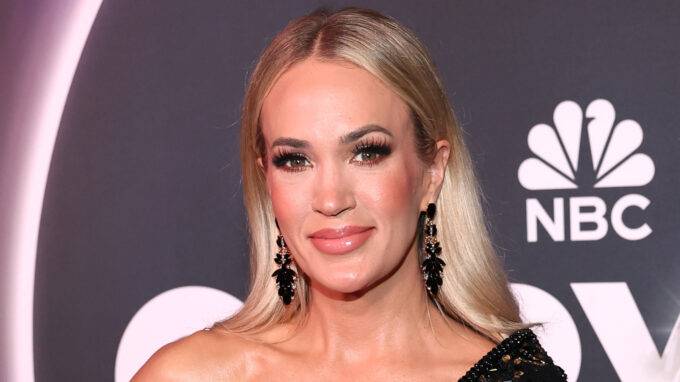

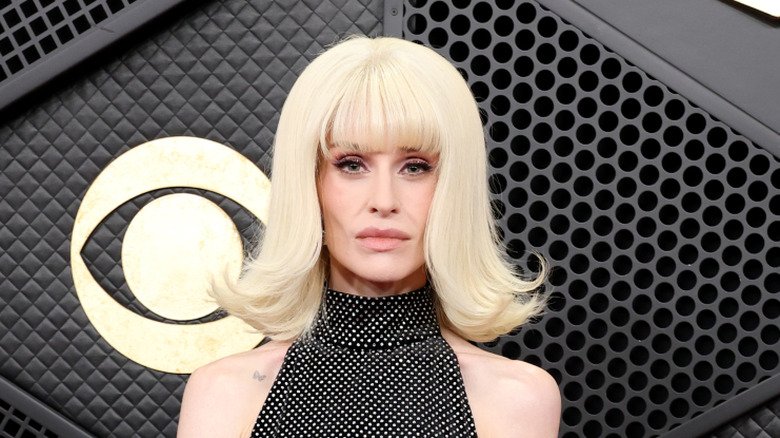
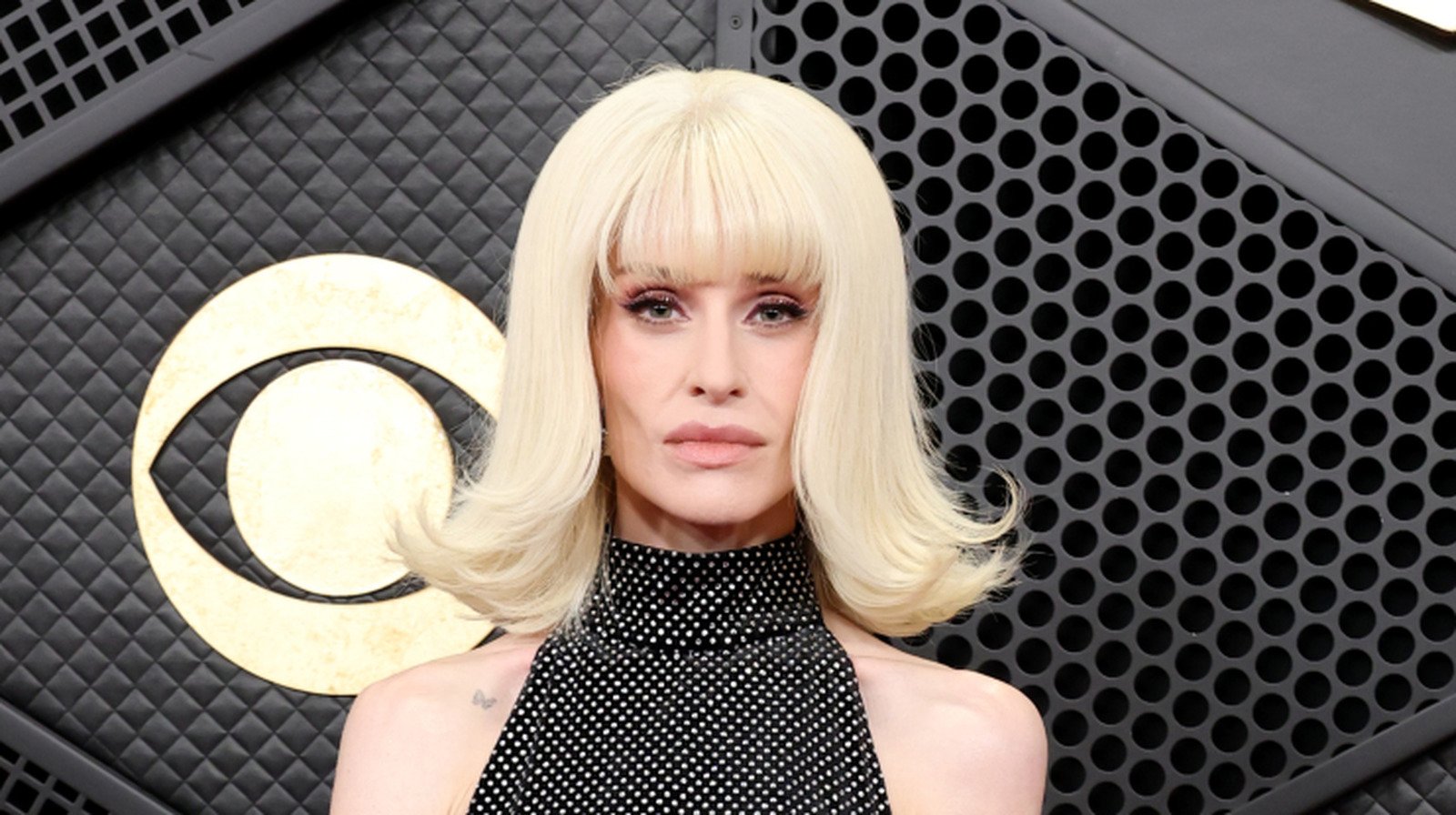
Kelly Osbourne’s recent photos have set off a storm of alarms online. Over the weekend she posted images from the Royal Ascot Millinery Collective Spring/Summer 2026 showcase during London Fashion Week, and people noticed something — a much slimmer face, more pronounced cheekbones, hollowed eyes and looser skin around the jaw. It didn’t take long for comments to roll in, many of them worried, some angry, and a few downright cruel. The phrase “Ozempic cheekbones” started popping up in replies, and a number of followers begged her to seek medical support or to stop whatever they believed she was doing.
It’s hard not to react when someone you’ve followed for years looks visibly different. I’ll admit I paused too — then kept looking, because there’s always more to the story. Fans’ reactions ranged from worried to accusatory: “Please see a professional,” one pleaded. Another wrote, “No more Ozempic!!” and someone else accused her of having an “addiction.” Those messages aren’t gentle. They don’t feel like concern so much as judgment, and that’s part of why this has become a bigger conversation than a single set of photos should be.
Also read: Coughlan’s stunning transformation comes after years of hardship.
Kelly’s response felt sharp but human. She used her Instagram Stories to call out the cruelty, saying she couldn’t believe how “disgusting” some people were being. She’s no stranger to public commentary about her weight and appearance, so it makes sense she pushed back. When the subject of Ozempic and other GLP-1 medications comes up, she’s been clear: she denies taking Ozempic. Instead, she’s explained that grief and stress took a toll on her appetite after her father’s death, and that affected her weight. In a December 2025 video she asked critics what they expected from her, urging people to recognize the effort it takes just to get out of bed and keep going. That plea — for empathy rather than critique — landed with a lot of people because it’s honest, and messy in a way that feels real.

Why people jump to “Ozempic” is not exactly a mystery. Over the past few years certain medications became shorthand online for dramatic weight change. Add to that previous photos where fans thought they saw changes in her hands and facial structure, and the speculation snowballed. Kelly has publicly denied taking the drug multiple times — she told “Extra” in 2025 she did not take Ozempic and pointed out that her mom had used it — and she’s cited other reasons for her changing body, including a history of gastric sleeve surgery in 2018 and a diagnosis of gestational diabetes during pregnancy in 2022. Those facts complicate the simple narrative of “celebrity took a pill and looked different.”
A lot of the commentary misses nuance. For one: weight and health don’t always move in neat, expected ways. Surgery, hormones, stress, grief, pregnancy-related conditions, lifestyle shifts — any of these can change how a person looks. Kelly once had gastric sleeve surgery and lost a lot of weight after that; she’s been open about it. Later, she mentioned that after learning how certain medications helped someone close to her by taking away the mental obsession over food, she softened her views on them. That honesty — changing an opinion based on new information — is human. People shift their positions all the time; sometimes publicly, sometimes quietly.
Also read: Oprah Winfrey’s Noticeable Weight Loss Sparks Talk of “Ozempic Neck”
Still, the tone of much online reaction has felt unforgiving. There’s a pattern: a celebrity appears thinner, speculation starts, then judgment follows. Often that judgment is wrapped in “concern” but reads as criticism. I felt a pang looking through the comments because praise and pressure are two sides of the same coin when you’re public. Compliments turn into demands for more change, and worry becomes policing. Kelly’s insistence that she’s not on Ozempic matters, of course. But the larger point is how quickly assumptions solidify into accusations.
On the flip side, I also recognize why people worry. When someone’s face appears gaunt, when skin looks less full, it triggers alarm bells for many of us. We project our own fears onto public figures — about illness, addiction, mental health — and we want someone to say, “No, she’s fine.” That instinct is not always kind. It’s worth pausing and asking whether a comment helps or harms. Would it redirect a person to support or just shame them? Often the latter.
Kelly has navigated this territory for years — from reality TV to fashion commentary and the candidness she brings to interviews and podcasts. She’s discussed weight loss procedures, how pregnancy affected her health, and how a loved one’s experience with medication changed her perspective. She’s also spoken out against the invasive tone people take when discussing others’ bodies. That context doesn’t stop speculation; it only provides a fuller picture.
Also read: Public Figures Who’ve Clashed With Former CNN Host Don Lemon
At the end of the day, the pictures sparked a conversation about more than one woman’s face. They brought up how we talk about bodies, illness, medication and grief in the public eye. They revealed how quickly people form narratives online and how rarely those narratives include compassion. We can be curious without being cruel. We can be worried without assuming the worst. Kelly’s words asking for empathy are straightforward: she’s working through things, and she wants a little less judgement.


![Armed robbers evade Adegbodu Twins’ home days after Taiwo’s burial [VIDEO]](https://wowplus.net/wp-content/uploads/2026/04/armed-robbers-evade-adegbodu-twins-home-days-after-taiwos-burial-video-200x120.jpg "Adegbodu Twins Robbery Scare Leaves Family Shaken Days After Taiwo’s Burial 148")



Leave a comment